EU Exempts Wearables from Replaceable Battery Rule: What Changed and Who Should Care (2026)
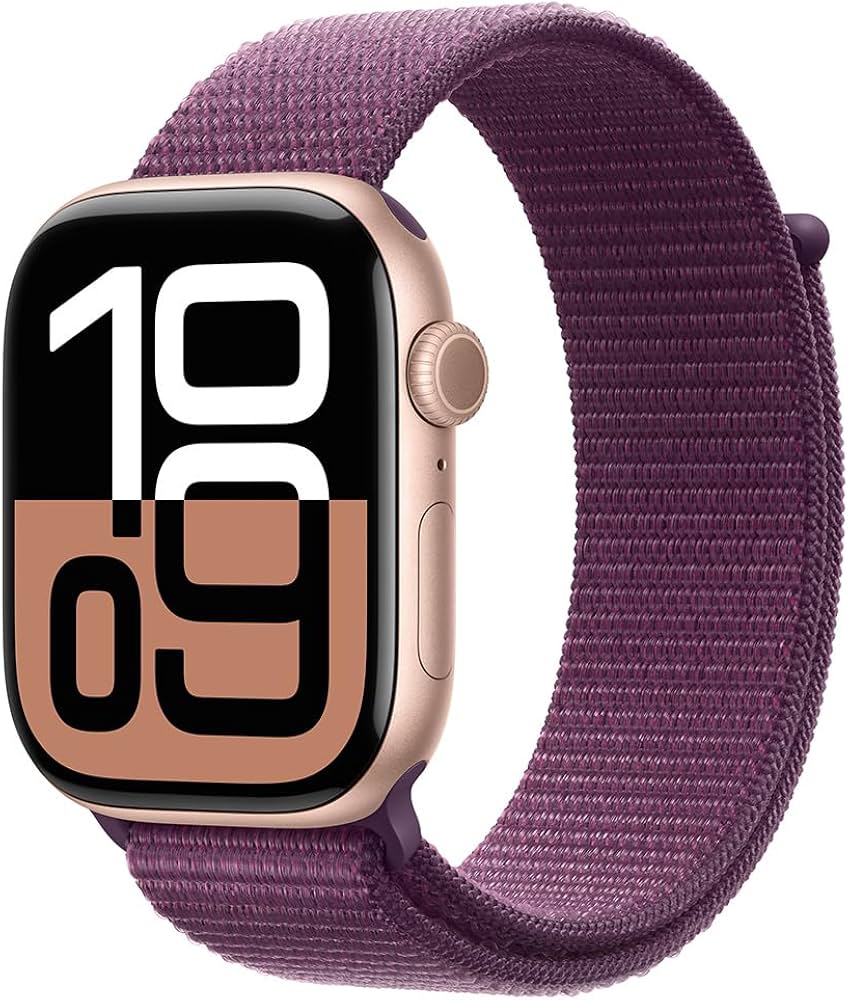
On July 14, 2026, the European Commission adopted a delegated act formally exempting wearable devices from the EU’s upcoming user-replaceable battery requirement. Smartwatches, fitness trackers, smart glasses, and wireless earbuds will not need user-swappable batteries when the rule takes effect in February 2027. Here is what changed, why it matters, and who should care.
What Is the EU Batteries Regulation?
The EU Batteries Regulation, adopted in 2023 as part of the European Green Deal, requires that portable batteries in consumer electronics be removable and replaceable by the end user. The goal is to extend product lifespans, reduce e-waste, and give consumers more control over device repair. The replaceable battery requirement takes effect in February 2027.
This is separate from the EU’s USB-C mandate (which already took effect) and covers a broader range of electronics. Smartphones, tablets, and laptops are the primary targets — but the original text was broad enough to potentially include every battery-powered portable device, including wearables.
What Devices Are Now Exempt?
The Commission’s delegated act specifically lists the following as exempt from the user-replaceable battery requirement:
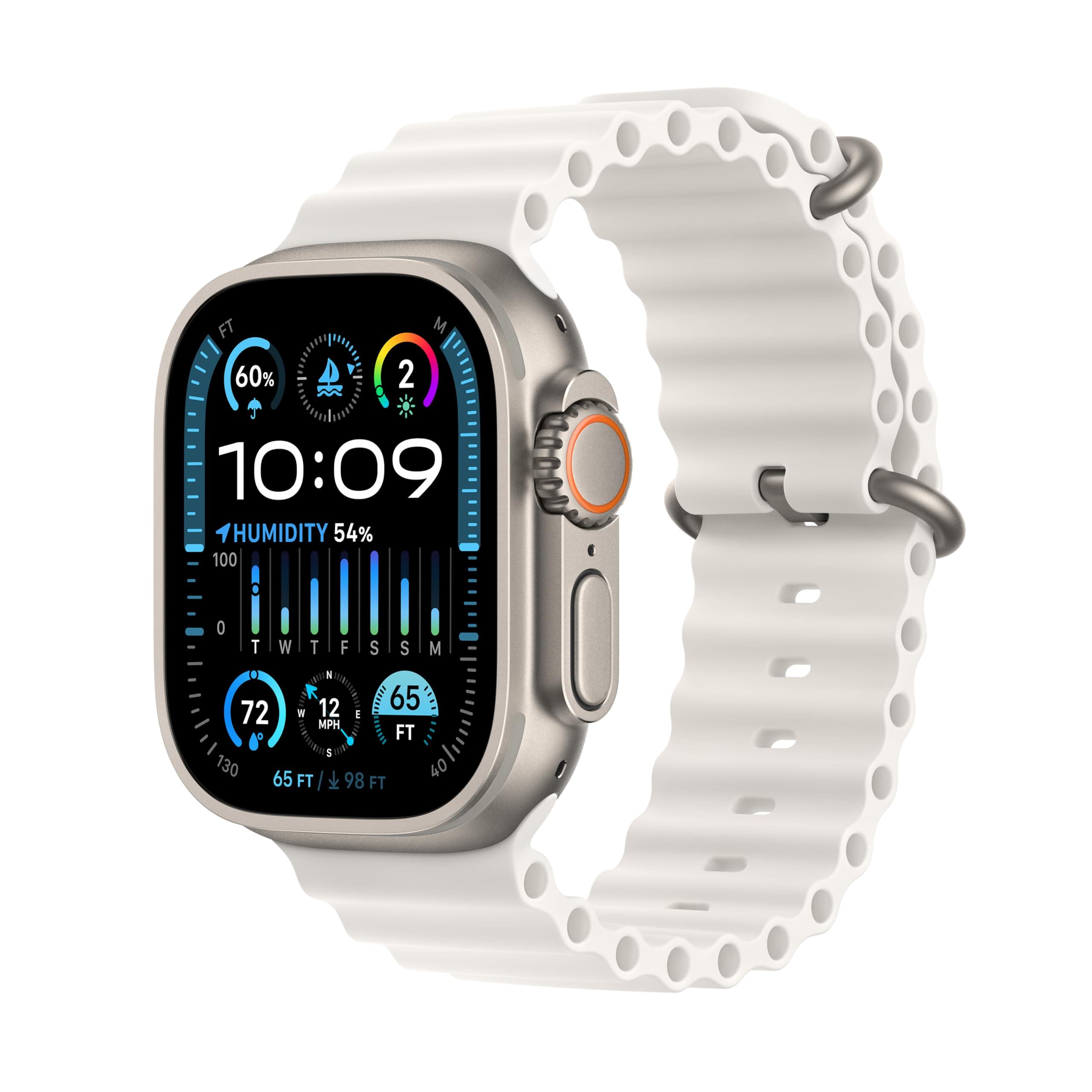
- Smartwatches — including the Apple Watch, Galaxy Watch, Pixel Watch, and Garmin watches
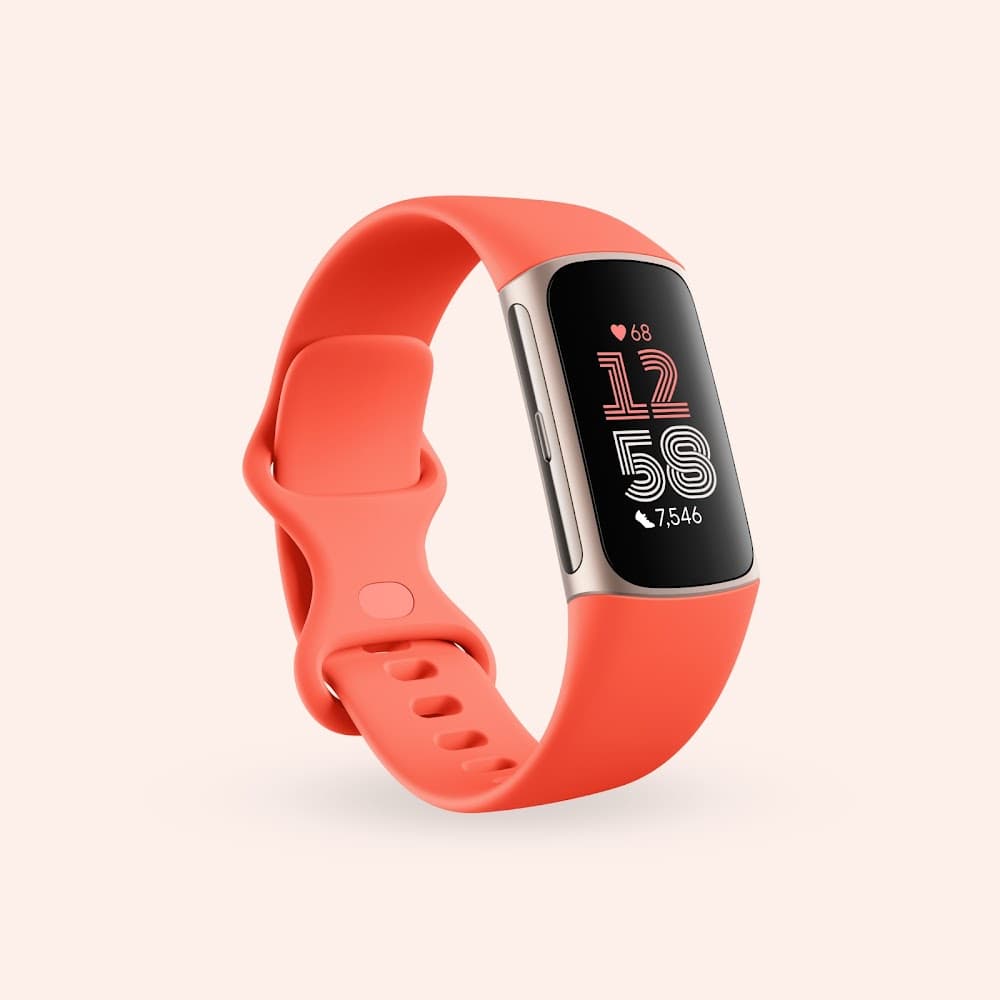
- Fitness trackers — including the Fitbit Charge 6 and Garmin Cirqa
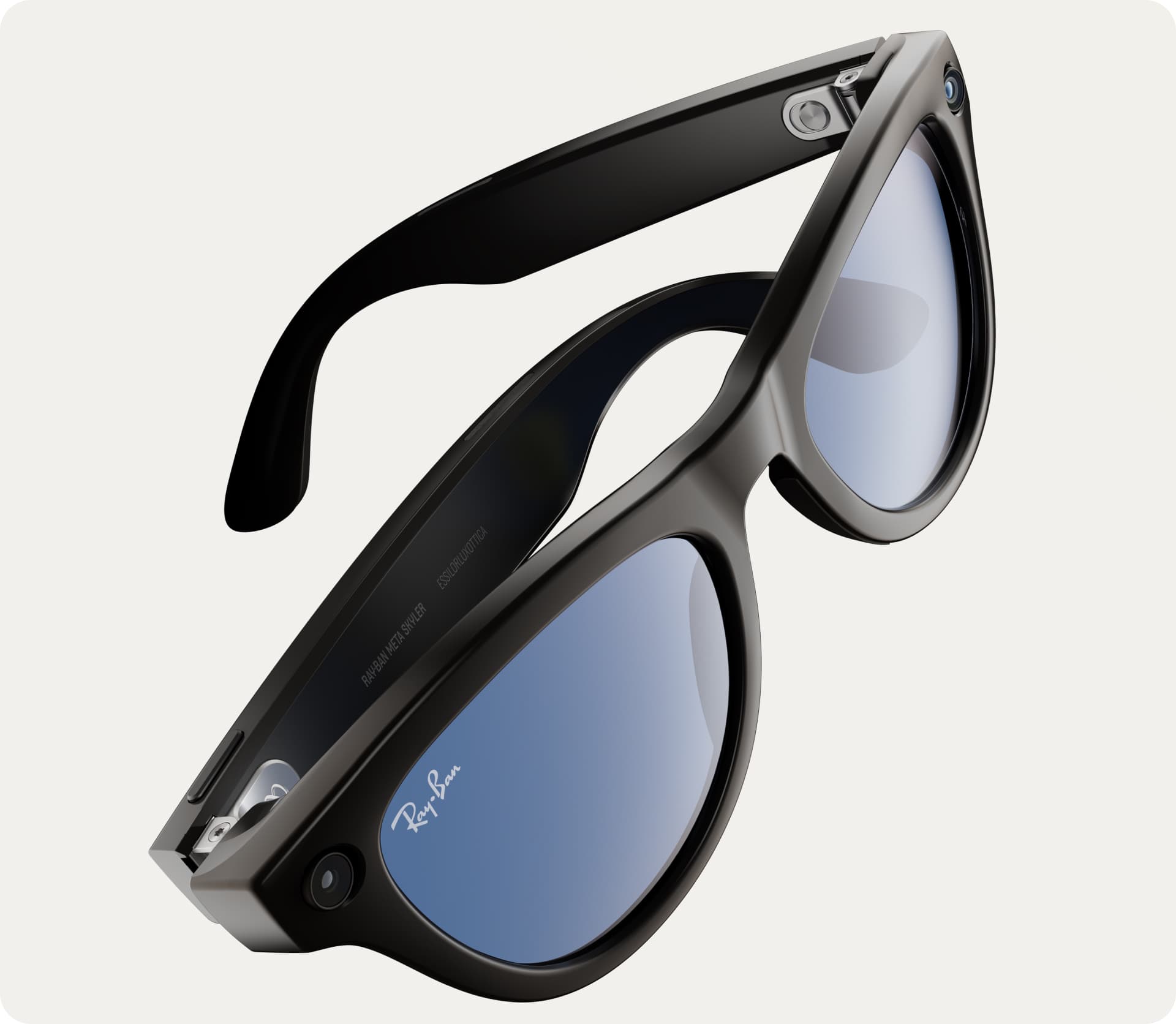
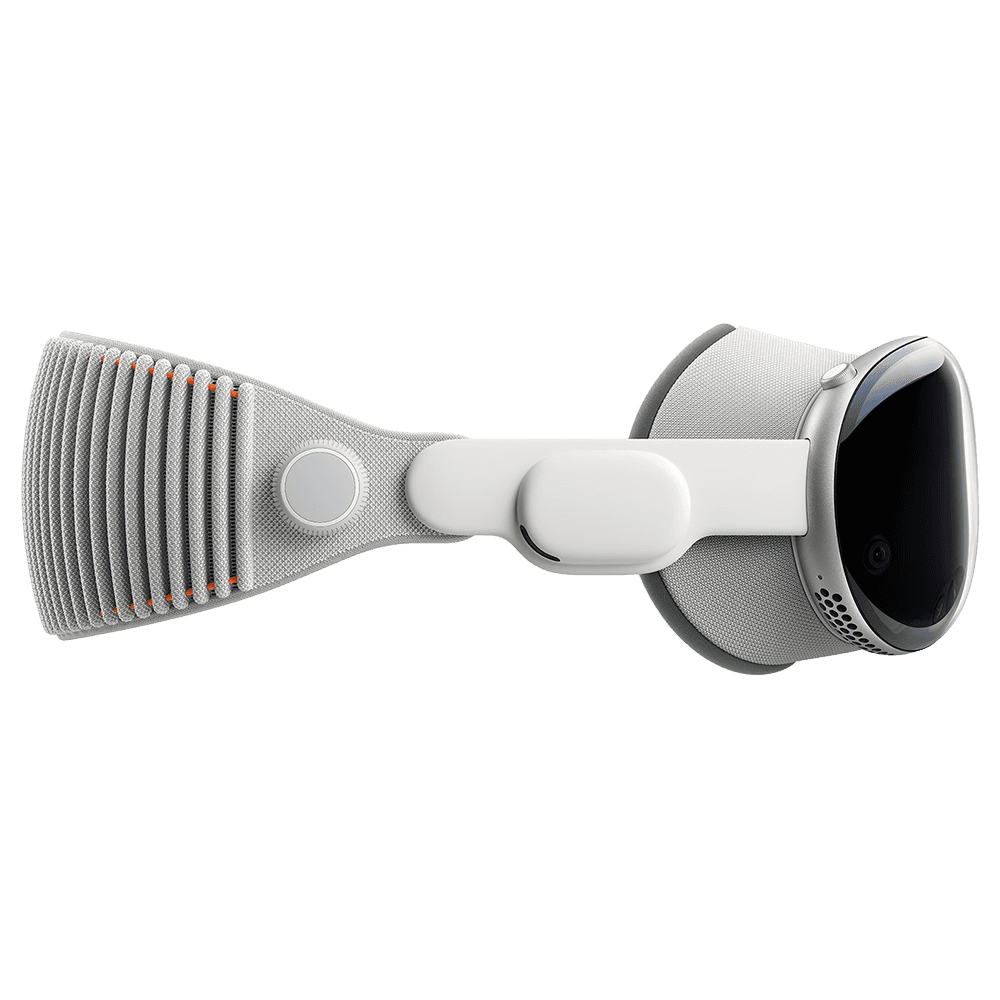
- Smart glasses — including Meta Ray-Ban and Samsung Galaxy Glasses
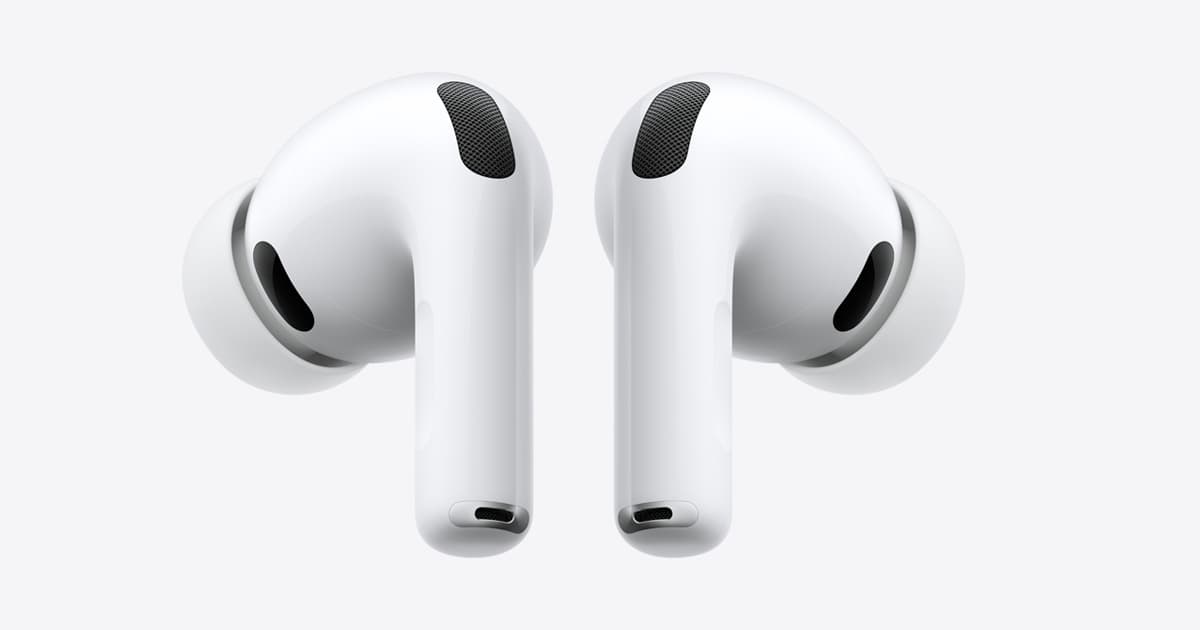
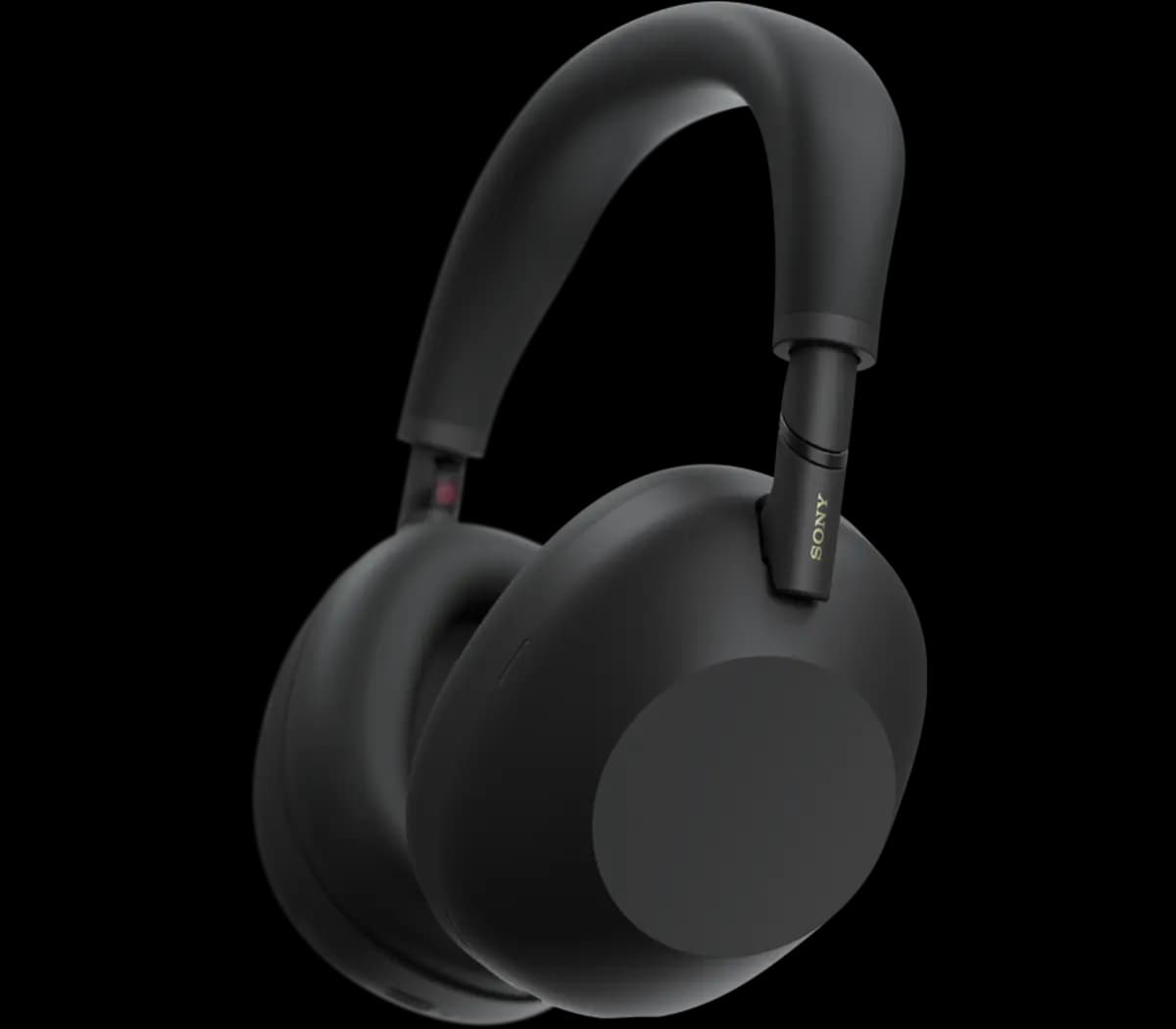
- Wireless earbuds — including AirPods Pro 3, Sony WF-1000XM6, and Bose QC Ultra
- Electronic devices integrated into clothing and other wearable accessories
Why Were Wearables Exempted?
The Commission cited three technical justifications:
- Safety: Wearable batteries are too small for safe user replacement. A 300mAh lithium cell in a smartwatch, enclosed in a pressure-sealed case, poses puncture and fire risks if opened incorrectly
- Water resistance:Sealed enclosures are essential for IP68 and IP69K ratings. A user-accessible battery compartment would compromise the waterproofing that buyers expect — especially in devices like the Apple Watch Ultra 3 and Galaxy Watch Ultra 2, rated for deep-water diving and high-pressure water jets
- Form factor: Compact, sealed designs are fundamental to wearable comfort. Adding a user-accessible battery door would increase thickness and weight, making devices less wearable
The Diplomatic Factor
Beyond technical reasons, the exemption also had a geopolitical dimension. The US ambassador to the EU publicly criticized the battery rules, which had reportedly delayed Meta’s smart glasses rollout in Europe. Meta’s sealed Ray-Ban smart glasses — which cannot be opened without destroying the frame — faced regulatory uncertainty under the original text. The exemption clears that obstacle for Meta and every other smart glasses maker entering the European market, including Samsung with its upcoming Galaxy Glasses.
What the Exemption Does NOT Change
The exemption is narrower than it appears. Two important requirements survive:
- Professional repairability: Wearable batteries must still be replaceable by an independent professional— not just the manufacturer’s authorized service center. This means third-party repair shops must be able to source and replace wearable batteries. Manufacturers cannot lock out independent repair
- Battery durability standards: Wearable batteries must still meet minimum cycle-life requirements under the broader regulation. Manufacturers cannot use the exemption as an excuse to ship shorter-lived batteries
In practice, this means your Apple Watchwill continue to work exactly as it does today — sealed and water-resistant — but independent repair shops will have legal backing to offer battery replacement services.
What This Means for Buyers
For most consumers, this changes nothing about how you buy or use wearables. Your devices will continue to be sealed, water-resistant, and compact. The practical impacts are:
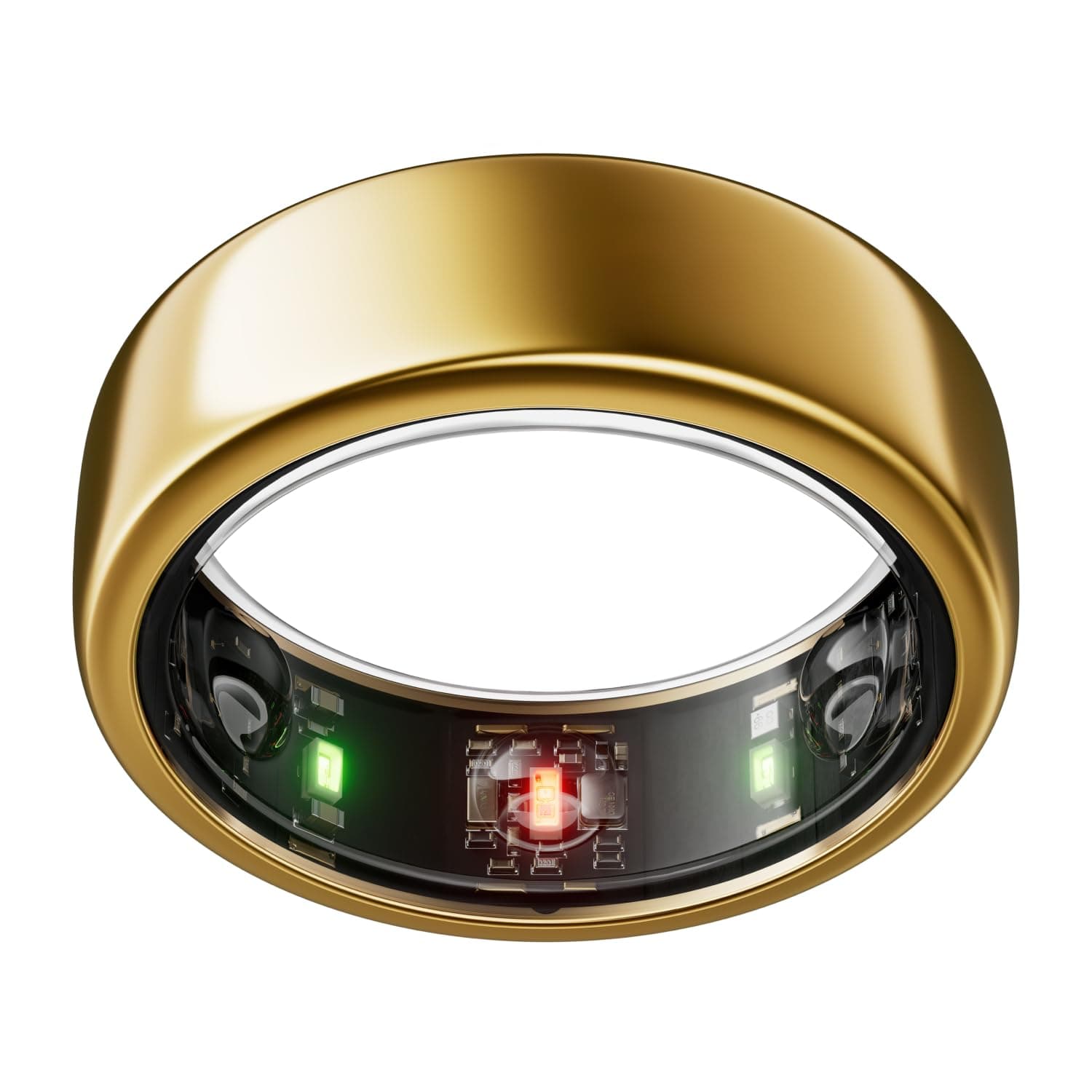
- No design changes:Future wearables won’t need bulkier, user-accessible battery compartments. The slim designs you expect from Apple Watch, Oura Ring, and AirPods are preserved
- No price increases: Redesigning wearables for user-replaceable batteries would have added engineering cost and potentially raised prices. That cost is now avoided
- European availability secured: Products like Samsung Galaxy Glasses and future Meta smart glasses can launch in Europe without regulatory delays
- Repair rights preserved:You won’t be able to swap batteries at home, but independent repair shops will be legally empowered to do so — potentially at lower cost than manufacturer service
The Bigger Picture: Right to Repair and Wearables
This exemption is part of a broader tension between the right-to-repair movement and the physical constraints of miniaturized electronics. Smartphones — which are large enough for user battery access — will still need replaceable batteries under the 2027 rule. But wearables sit in a gray zone where repairability and wearability are genuinely in conflict.
The Commission’s compromise — exempt from user replacement, but require professional repairability — threads the needle. Whether it goes far enough for environmental advocates remains debated. But for buyers, the result is clear: the wearables you buy today and tomorrow will continue to look and work the way they do now, with the added assurance that independent repair remains an option.
Related Articles
Frequently Asked Questions
- Will my smartwatch need a replaceable battery under EU law?
- No. The European Commission formally exempted smartwatches, fitness trackers, smart glasses, and wireless earbuds from the user-replaceable battery requirement on July 14, 2026. Your Apple Watch, Galaxy Watch, or Garmin will continue to use sealed batteries as they do today.
- When does the EU replaceable battery rule take effect?
- The EU Batteries Regulation's user-replaceable battery requirement takes effect in February 2027 for covered devices. However, wearables are exempt — the rule primarily applies to smartphones, tablets, and laptops, which must have batteries that can be removed and replaced by end users.
- Can I still get my wearable battery replaced?
- Yes. Under the exemption, wearable batteries must still be replaceable by an independent professional — not just the manufacturer. This means authorized repair shops and third-party technicians can service your wearable's battery, even though you cannot do it yourself at home.
- Does this affect wearable prices in Europe?
- The exemption removes a potential cost increase. If wearables had been required to have user-replaceable batteries, manufacturers would have needed to redesign products with accessible battery compartments, likely increasing size, weight, and cost while reducing water resistance. The exemption preserves current designs and pricing.
- Why were wearables exempted from the battery rule?
- The European Commission cited three reasons: safety concerns with devices too small for user battery replacement, the need for sealed enclosures to maintain water resistance (IP68/IP69K ratings), and the compact form factors that wearable devices require. US diplomatic pressure also played a role, as the original rules had delayed Meta's smart glasses rollout in Europe.