Samsung Galaxy Ring 2 Delayed to 2027: The 5 Best Smart Rings to Buy Right Now Instead
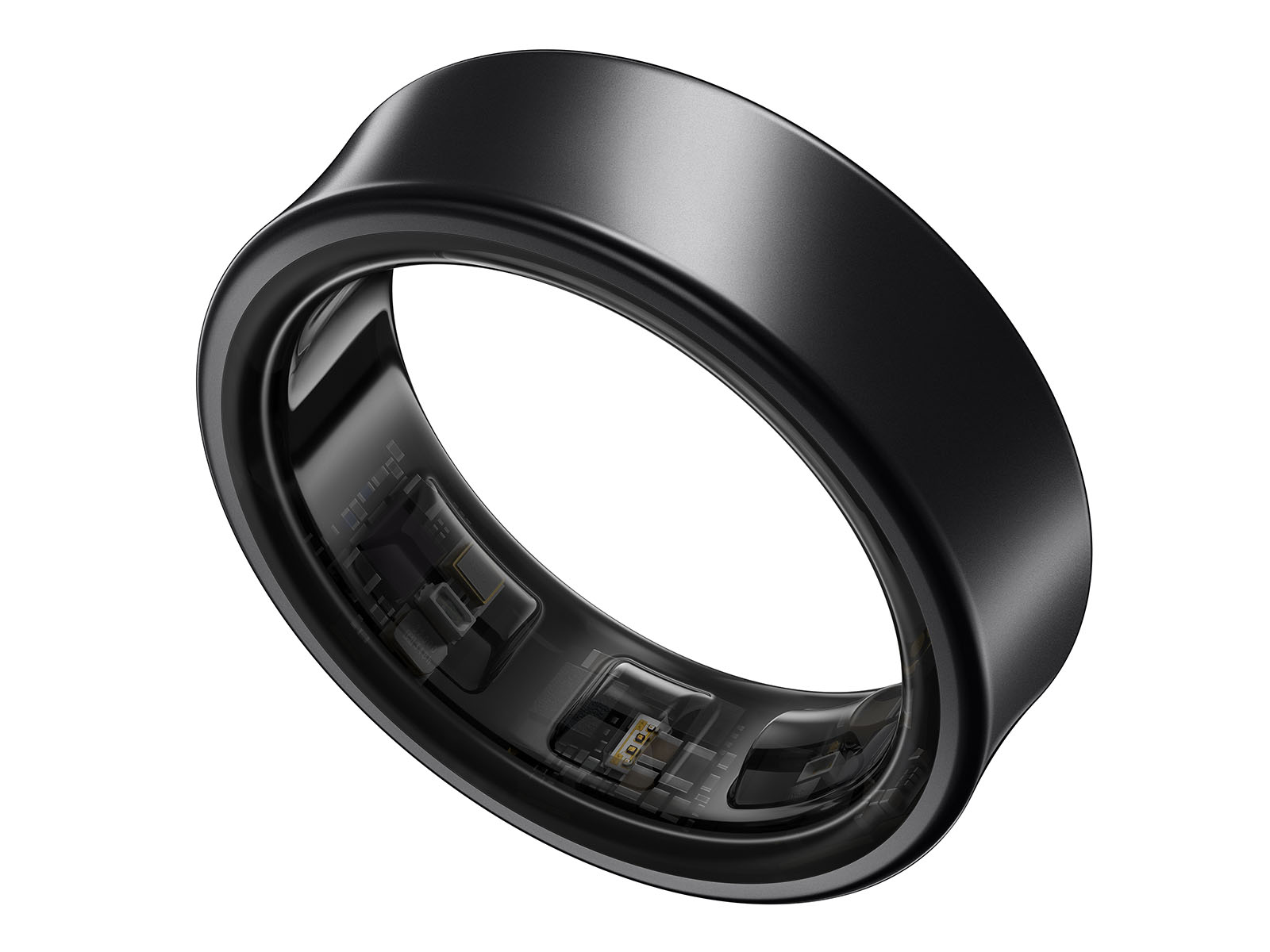
If you've been waiting for Samsung's next-generation smart ring, you'll need to wait a bit longer. Samsung confirmed at Galaxy Unpacked 2026 London that the Galaxy Ring 2 won't arrive until early 2027 — pushed back by a patent dispute with Oura and a strategic shift in wearable priorities. But you don't have to put your health tracking on hold. Here are the five best smart rings you can buy right now.
Why Delayed
Oura's patent infringement suit and ITC complaint have pushed Samsung's Galaxy Ring 2 to early 2027.
Best Alternative
Oura Ring 5 ($399) for health tracking depth, or RingConn Gen 2 ($299) for no subscription.
Worth Waiting?
Only if you need Samsung ecosystem integration and can wait 4-5 months.
Why Is the Samsung Galaxy Ring 2 Delayed?
Samsung used its Galaxy Unpacked 2026 event in London to confirm that the Galaxy Ring 2 is in "advanced development" — but conspicuously did not announce a launch date alongside the Galaxy Watch 8 series. Internal sources and supply chain reports now point to an early 2027 release window, with a confirmed $399 price point that matches the original Galaxy Ring's launch price.
The delay traces back to November 2025, when Ourafiled a patent infringement lawsuit against Samsung, alleging that the Galaxy Ring copied key aspects of Oura's sensor placement and health algorithm technology. Oura followed up with an International Trade Commission (ITC) complaint that could potentially block imports of infringing Samsung wearables into the United States — a serious threat that forced Samsung to redirect engineering resources.
Rather than rushing the Galaxy Ring 2 to market while the legal cloud hangs overhead, Samsung chose to prioritize the Galaxy Watch 8 series, which launched without patent complications. The company has reportedly been redesigning certain Ring 2 components to work around Oura's patent claims, which added months to the development timeline. For a deeper look at the patent battle and its implications, see our full coverage of the Galaxy Ring 2 confirmation and Oura dispute.
1. Oura Ring 5 — Best for Health Tracking
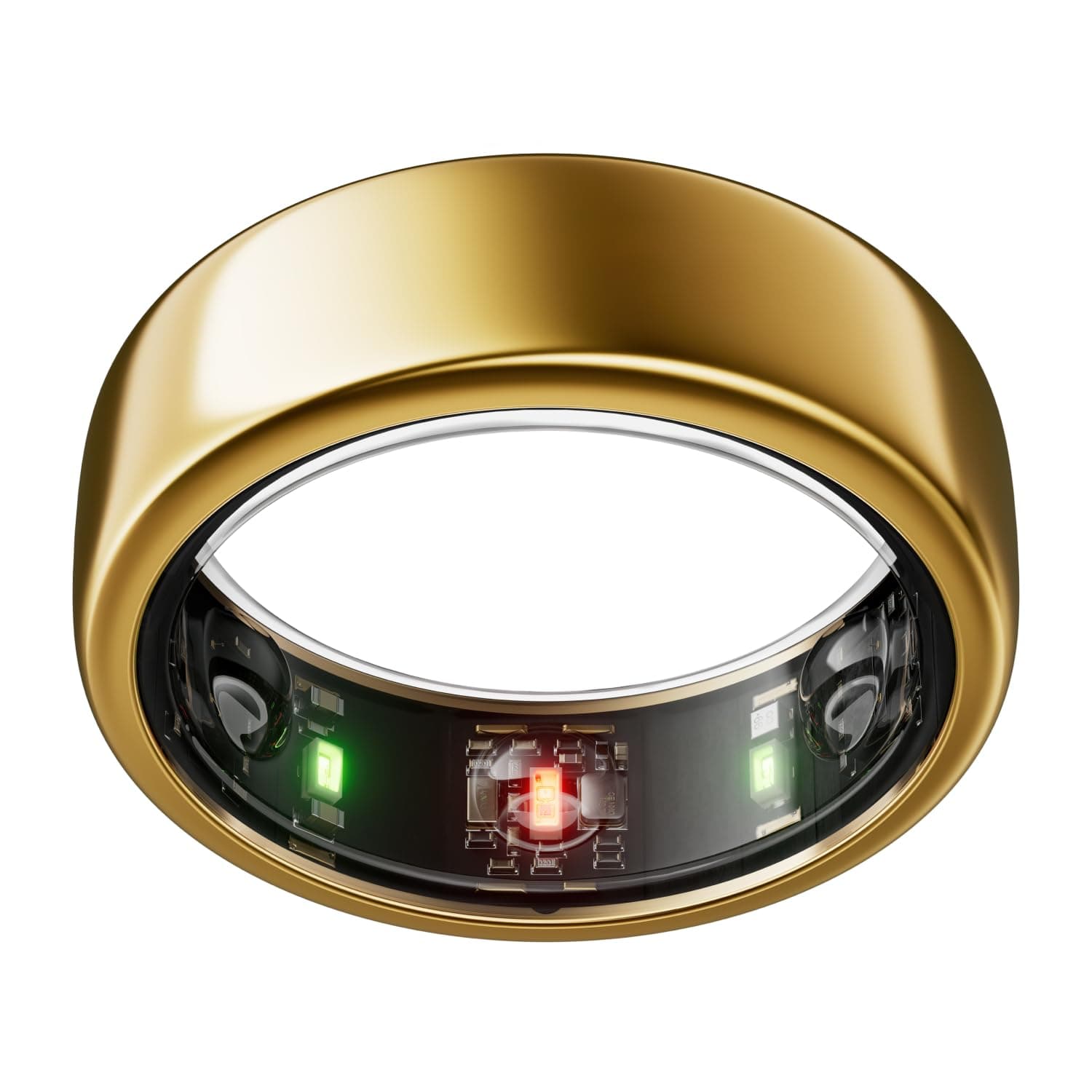
The Oura Ring 5 is the gold standard for smart ring health tracking. At $399 plus a $6/month subscription, it's not cheap — but no other ring comes close to its depth of health insights. The Gen 5 is 40% smaller than the Gen 4, making it nearly indistinguishable from a regular ring, and it introduces blood pressure monitoring as a headline new feature, joining an already comprehensive suite of sleep staging, HRV tracking, temperature trending, and activity scoring.
Oura's ecosystem is the most mature in the smart ring space, with over 5 million active subscribers and an S-1 filing for an IPO at a reported $16 billion valuation. That scale means continuous algorithm improvements, a robust developer API, and deep integrations with apps like Apple Health, Google Fit, and Strava. The Gen 4 remains available at a discount and shares much of the same software experience.
Drawback: The $6/month subscription is required to access most health insights beyond basic readiness and sleep scores. Without it, the ring becomes a very expensive step counter. Best for: Sleep-focused users, health enthusiasts, and anyone who wants the most mature smart ring ecosystem available today.
2. Samsung Galaxy Ring (Original) — Best for Galaxy Users
The original Samsung Galaxy Ring remains one of the best smart rings on the market, and the delay of the Ring 2 doesn't change that. At a street price of $380-400, it offers FDA-cleared sleep apnea detection, comprehensive heart rate and SpO2 monitoring, temperature tracking, and deep integration with Samsung Health — all without a subscription fee for Samsung Galaxy phone owners.
Samsung continues to actively support the Galaxy Ring with software updates, and its tight integration with the Galaxy Watch lineup means you can get ring-plus-watch synergy that no other manufacturer currently matches. The ring's data feeds directly into Samsung Health's unified dashboard alongside your Galaxy Watch metrics, creating a more complete health picture than either device alone.
Drawback: Features are significantly limited without a Samsung Galaxy phone — if you're on iPhone, this isn't the ring for you. Best for: Samsung Galaxy phone owners who want seamless ring-and-watch health tracking synergy without subscription fees. Check current pricing on our Galaxy Ring price tracker.
3. RingConn Gen 2 — Best Budget Option
If you want comprehensive health tracking without monthly fees and without breaking the bank, the RingConn Gen 2 is the smart ring to buy. At $299 with no subscription required, it undercuts both Oura and Samsung while delivering heart rate monitoring, SpO2 tracking, sleep analysis, stress scoring, and skin temperature measurement.
The RingConn companion app has improved significantly since the first generation, with clear data visualizations and actionable insights that don't hide behind a paywall. Battery life is competitive at 5-7 days depending on usage, and the ring itself is comfortable enough for 24/7 wear. For price tracking, see our RingConn Gen 2 price page.
Drawback: RingConn's ecosystem is smaller than Oura's or Samsung's, with fewer third-party integrations and less brand recognition. Algorithm accuracy, while good, trails Oura in head-to-head sleep staging comparisons. Best for: Budget-conscious buyers who want comprehensive health tracking without recurring subscription costs.
4. Ultrahuman Ring Pro — Best for Fitness Enthusiasts
The Ultrahuman Ring Pro targets serious fitness enthusiasts with its unique metabolic score, movement index, and recovery tracking — metrics you won't find on most competing rings. At $479 with no subscription, it's the most expensive ring on this list, but the depth of fitness-specific data justifies the premium for the right user. Battery life is an impressive 15 days, the best in class.
Ultrahuman's approach differs from Oura's sleep-first philosophy. The Ring Pro emphasizes how your body responds to exercise, nutrition, and recovery in real time, making it particularly valuable for athletes who want to optimize training load. The companion app provides detailed workout analysis and recovery recommendations that go beyond simple readiness scores. The Ring Pro replaces the earlier Ultrahuman Ring Air.
Drawback: The $479 price is steep, and availability can be limited outside the US and India. The fitness-forward approach means sleep tracking, while competent, isn't as refined as Oura's. Best for: Fitness-focused users who want detailed metabolic insights and best-in-class battery life.
5. Garmin CIRQA Smart Ring (Coming Soon) — Best for Garmin Users
Garmin hasn't officially announced the CIRQA smart ring, but the evidence is overwhelming. On September 4, Brazilian telecommunications authority Anatel certified ten sizes of the Garmin CIRQA, confirming the ring is real and nearing launch. Based on Garmin's typical certification-to-launch timeline, expect availability in October or November 2026, with an estimated price of $249-349 — and following Garmin's model, no subscription required.
The CIRQA is expected to integrate fully with Garmin Connect, bringing Garmin's industry-leading Body Battery algorithm, sleep scoring, and stress tracking to ring form. For the millions of runners, cyclists, and outdoor athletes already invested in Garmin's ecosystem, the CIRQA could be the missing piece — a comfortable sleep and recovery tracker that complements a Garmin watch without requiring a separate app or subscription. For the latest on the CIRQA, see our coverage of the Brazil certification and expected launch timeline.
Drawback: The CIRQA isn't available yet, so you're betting on Garmin delivering on expectations. No confirmed specs, pricing, or feature list. Best for: Garmin watch and fitness tracker users who want a ring-plus-watch combination within a single ecosystem.
The Bottom Line: Which Smart Ring Should You Buy?
Here's the quick recommendation grid:
- Best overall health tracking: Oura Ring 5 — the deepest health insights and most mature ecosystem, now with blood pressure monitoring
- Best for Samsung users: Samsung Galaxy Ring (original) — no subscription, FDA-cleared sleep apnea detection, seamless Galaxy integration
- Best budget: RingConn Gen 2 — comprehensive tracking at $299 with no subscription
- Best for fitness: Ultrahuman Ring Pro — unique metabolic scoring and 15-day battery life
- Best value when available: Garmin CIRQA — Garmin's Body Battery in ring form, expected fall 2026
If you can wait until early 2027 and are specifically committed to the Samsung ecosystem, the Galaxy Ring 2 at $399 may be worth holding out for — especially if Samsung can resolve its patent issues with Oura and deliver a meaningful hardware upgrade over the original. But with five strong alternatives available right now (and a sixth on the horizon from Garmin), there's no reason to put your health tracking on hold.
For head-to-head comparisons, visit our smart rings hub or use the comparison tool to stack any two rings side by side.
Related Articles
Frequently Asked Questions
When will the Samsung Galaxy Ring 2 be released?
Samsung has confirmed an early 2027 launch window at a $399 price point. The delay is primarily due to an ongoing patent dispute with Oura, which filed an ITC complaint threatening import bans. Expect a formal announcement at CES 2027 or a dedicated Galaxy Unpacked event in Q1 2027.
Is the original Samsung Galaxy Ring still worth buying in 2026?
Yes. The Galaxy Ring remains a strong choice for Samsung Galaxy phone owners, with FDA-cleared sleep apnea detection, comprehensive health tracking, and no subscription fee. Samsung continues to support it with software updates, and the $380 street price represents good value.
What is the best smart ring with no subscription?
The RingConn Gen 2 ($299) and Garmin CIRQA (expected late 2026) offer comprehensive health tracking without monthly fees. The Samsung Galaxy Ring ($399) also has no subscription for Galaxy phone users. Among these, RingConn offers the best value today, while Garmin is the most anticipated no-subscription option.
Should I buy a smart ring or a smartwatch?
It depends on your priorities. Smart rings excel at 24/7 passive health tracking (especially sleep) because they're comfortable to wear all day and night. Smartwatches offer displays, apps, notifications, and GPS — but many people find them uncomfortable for sleep. The ideal setup is both: a smartwatch for active tracking and notifications, plus a ring for sleep and recovery.