Galaxy Watch 9 Classic Is Dead: The Rotating Bezel Era Ends — What to Buy Now (2026)
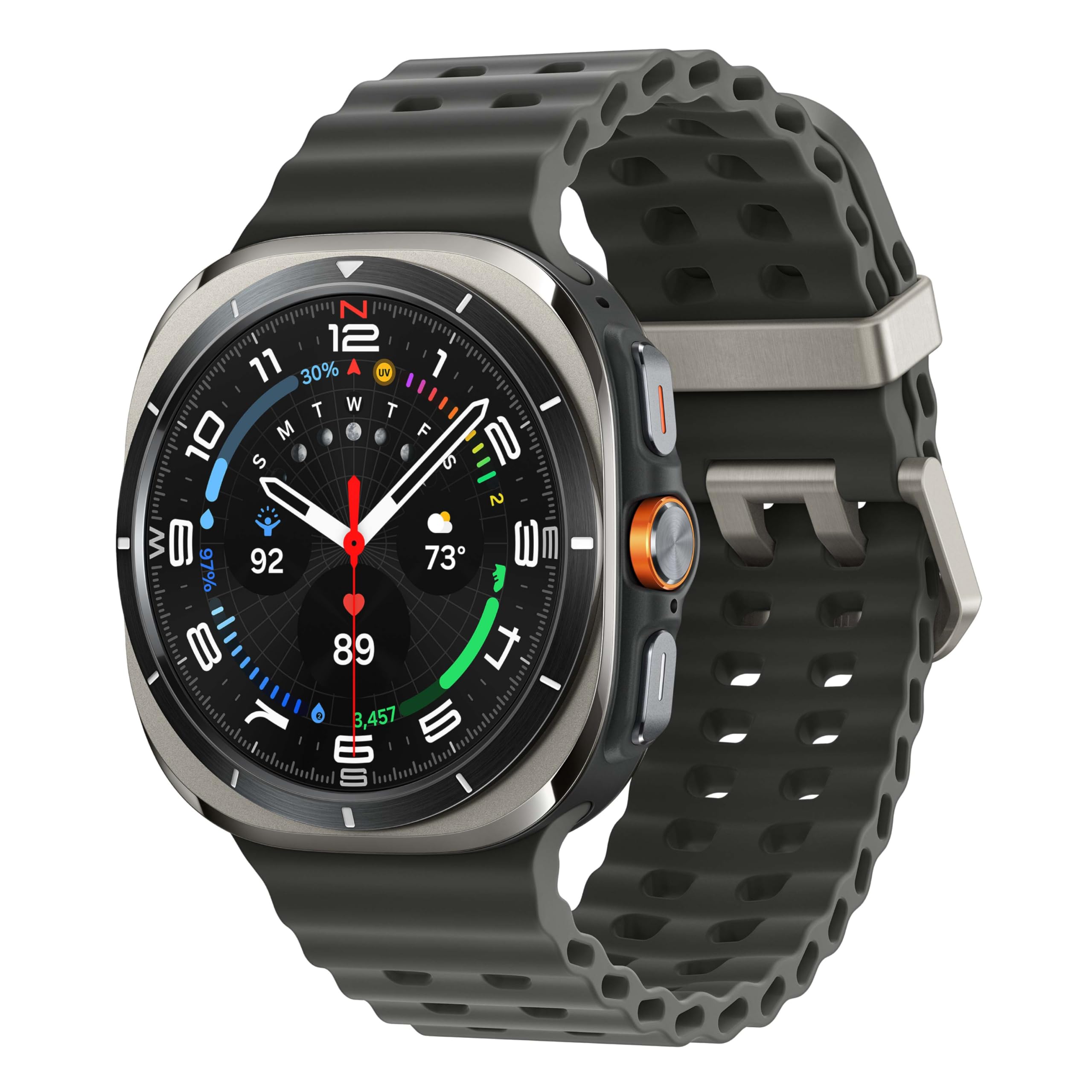
It's official: there is no Galaxy Watch 9 Classic. After weeks of conspicuous silence in regulatory databases and firmware leaks, the evidence is now conclusive — Samsung has discontinued the Classic line and, with it, the rotating physical bezel that defined a generation of smartwatches. If you loved that satisfying click-scroll around the dial, here is what happened, what replaces it, and what you should buy in 2026.
Confirmed
No Galaxy Watch 9 Classic. FCC, CMIIT, and Galaxy Wearable app v2.2.70 list only Watch 9 and Watch Ultra 2.
Last Rotating Bezel
Galaxy Watch 8 Classic (2025) is the final Samsung watch with a physical rotating bezel.
What Replaces It
Galaxy Watch 9 with digital bezel, or Galaxy Watch Ultra 2 at $699.
Why Is There No Galaxy Watch 9 Classic?
The writing was on the wall long before the July 22 Samsung Unpacked in London. No Galaxy Watch 9 Classic model number surfaced in FCC or CMIIT databases — the two regulatory bodies where every wireless device must appear before launch. More telling, the Galaxy Wearable app v2.2.70, extracted and analyzed by firmware investigators, references only two watch models: the Galaxy Watch 9 and the Galaxy Watch Ultra 2.
Samsung's strategy is clear: consolidate the smartwatch lineup into two tiers. The Galaxy Watch 9 covers the mainstream market with two sizes, strong health features, and an accessible price. The Galaxy Watch Ultra 2, powered by the Snapdragon Wear Elite with an 800mAh battery and a 3,000-nit display, targets the premium and adventure segment at $699. A Classic model sitting between them no longer makes strategic sense.
The rotating bezel debuted on the original Galaxy Watch in 2018 and quickly became Samsung's signature smartwatch feature. It was intuitive, tactile, and genuinely superior to swiping on a tiny screen. But it also added thickness, limited how thin and water-resistant the case could become, and introduced a mechanical point of failure. As Samsung pushed toward sleeker designs and tougher builds, the physical bezel became an engineering constraint.
What Does the Galaxy Watch 9 Offer Instead?
The Galaxy Watch 9 replaces the physical bezel with a digital bezel— a touch-sensitive strip along the rim of the display. You run your finger around the edge to scroll, mimicking the circular gesture of the old bezel without any moving parts. Samsung has refined this interface over several generations, and it works well once you adjust.
Under the hood, the Watch 9 packs respectable hardware. The 40mm model features a 1.34-inch display and 382mAh battery, while the 44mm steps up to 1.47 inches and 435mAh. Both run the Exynos W1000 processor with 2GB of RAM and 32GB of storage — the same chip and memory as the Watch 8, but paired with Wear OS 7 and One UI 9 Watch for a significantly refined software experience. The 40mm ships in Cream and Graphite; the 44mm in Silver and Graphite.
Retail availability is expected in early August following the July 22 Unpacked reveal. For buyers who want more, the Galaxy Watch Ultra 2 delivers the Snapdragon Wear Elite, an 800mAh battery, and a 3,000-nit display for $699 — a legitimate competitor to the Apple Watch Ultra 3.
What Should Rotating-Bezel Fans Buy Now?
If you are mourning the rotating bezel, you have three realistic options. First, grab a Galaxy Watch 8 Classicwhile stock lasts — it is the last of its kind and already thinning at major retailers. Do not overpay on the secondary market, though; the digital bezel on the Watch 9 is genuinely good and most people adapt within a day.
Second, consider the Galaxy Watch 9 itself. The digital bezel replicates the scrolling motion, the Exynos W1000 keeps things snappy, and Wear OS 7 with One UI 9 Watch is Samsung's most polished software yet. If you used the bezel primarily for navigating notifications and widgets, you will barely notice the difference.
Third, if you are open to switching ecosystems, the Apple Watch Series 11 at $299 on Amazonoffers the Digital Crown — Apple's physical scroll wheel — which provides a similarly satisfying tactile input method. It is not a bezel, but it scratches the same itch for users who dislike pure-touchscreen navigation.
Does the End of the Classic Line Signal a Broader Trend?
Yes. Samsung's move mirrors what Apple, Google, and Garmin have already done: simplify the lineup and push differentiation toward software and sensors rather than physical input mechanisms. Apple has never offered a rotating bezel, relying instead on the Digital Crown and touchscreen. Google's Pixel Watch uses a haptic crown. Garmin uses five physical buttons on its high-end models but has no rotating bezel.
The industry consensus is that display bezels — whether touch-sensitive or eliminated entirely — allow for thinner cases, better water and dust resistance, and more display area. Samsung's 2026 lineup reflects that reality. The rotating bezel was beloved by a vocal minority, but the broader market has moved on. Samsung is following the demand.
For buyers, the practical takeaway is simple: do not wait for a Classic revival. Samsung has made its choice. The Galaxy Watch Ultraand Watch 9 represent Samsung's vision for wearables going forward, and both are excellent devices in their own right.
Related Articles
- Galaxy Watch Ultra 2 at $699 vs Apple Watch Ultra 3: Should You Pre-Order?
- Samsung Unpacked July 22: Complete Wearable Preview — What to Buy and Wait
- Galaxy Watch Ultra 2 Glucose Monitoring: Should You Wait or Buy Now?
- Best Smartwatches Fall 2026: Apple Watch Ultra 4 vs Galaxy Watch 9 vs Garmin Fenix 9
Frequently Asked Questions
Is Samsung making a Galaxy Watch 9 Classic?
No. Samsung has no Galaxy Watch 9 Classic in its 2026 lineup. No model number appeared in FCC or CMIIT filings, and the Galaxy Wearable app v2.2.70 only references the Galaxy Watch 9 and Galaxy Watch Ultra 2. The Galaxy Watch 8 Classic (2025) is the final Samsung watch with a rotating physical bezel.
Why did Samsung kill the rotating bezel?
Samsung is consolidating its smartwatch lineup around two tiers: the mainstream Galaxy Watch 9 with a digital (touch-sensitive) bezel, and the premium Galaxy Watch Ultra 2. The physical rotating bezel added thickness, limited water resistance improvements, and was a mechanical point of failure. The digital bezel replicates the scrolling function on a slimmer, more durable body.
What is a digital bezel and how does it work?
A digital bezel is a touch-sensitive strip along the outer rim of the watch display. You swipe your finger around the edge of the screen to scroll through widgets, notifications, and menus — the same circular motion as a physical bezel, but without any moving parts. Samsung has used it on the standard Galaxy Watch line since 2021.
What are the Galaxy Watch 9 specs and price?
The Galaxy Watch 9 comes in 40mm (1.34-inch display, 382mAh battery) and 44mm (1.47-inch display, 435mAh battery) sizes. Both run the Exynos W1000 chip with 2GB RAM and 32GB storage on Wear OS 7 with One UI 9 Watch. The 40mm comes in Cream and Graphite, the 44mm in Silver and Graphite. Pricing has not been confirmed but is expected to match the Watch 8 range. Launch is expected in early August 2026 following the July 22 Unpacked event in London.
Should I buy the Galaxy Watch 8 Classic before it sells out?
If you love the rotating bezel, the Galaxy Watch 8 Classic is worth considering while stock lasts — it is the last Samsung watch that will ever have one. However, supplies are already thinning at major retailers. The digital bezel on the Watch 9 is genuinely good and most users adapt within a day or two, so do not overpay on the secondary market.