Galaxy Watch Ultra 2 Official at $699: Three Health Sensors No Other Watch Has — Should You Pre-Order? (2026)
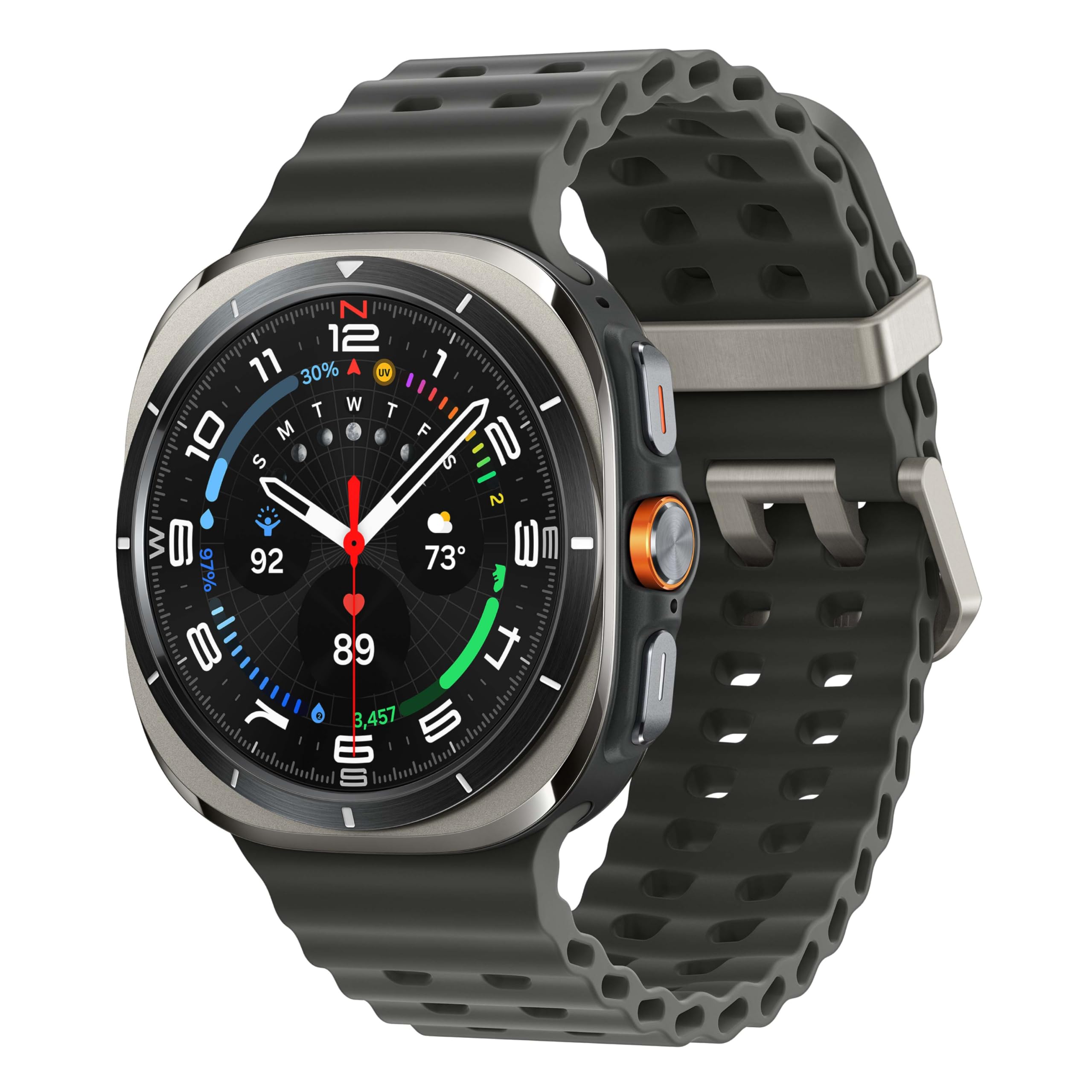
The Samsung Galaxy Watch Ultra 2 is official. Unveiled at Galaxy Unpacked in London on July 22, Samsung's flagship smartwatch ships August 7 at $699 — and it packs three experimental health sensors that no other consumer smartwatch can match: AGEs Index, Antioxidant Index, and Vascular Load. Combined with an 800mAh battery, a 5,000-nit display, and the Snapdragon Wear Elite chip, the Ultra 2 makes a strong case as the most advanced Android smartwatch ever built. Here's everything confirmed and whether you should pre-order.
Price
$699 US / £649 UK. Pre-orders open now. Ships August 7.
Unique Sensors
AGEs Index, Antioxidant Index, and Vascular Load — experimental health markers no competitor offers.
Key Upgrade
Snapdragon Wear Elite (3nm), 800mAh battery (+33%), 5,000-nit display, 64GB storage.
What Are These Experimental Health Sensors?
The Galaxy Watch Ultra 2's headline feature isn't a faster chip or a brighter screen — it's three health sensors that go beyond what any smartwatch has offered before. Samsung classifies them as “experimental,” meaning they're wellness tools rather than medical devices. Here's what each one does:
- AGEs Index (Advanced Glycation End Products): AGEs are compounds that build up in your body from diet, high-heat cooking, and metabolic processes. Elevated levels are linked to accelerated aging, inflammation, and chronic conditions like diabetes and cardiovascular disease. The Ultra 2 measures AGEs through your skin and tracks trends over time — giving you a biomarker of metabolic aging that traditional metrics like heart rate don't capture.
- Antioxidant Index: Measures your body's ability to combat oxidative stress — the cellular damage caused by free radicals. A higher antioxidant capacity suggests better cellular resilience. This sensor can help you understand how diet, exercise, and lifestyle changes affect your body's defensive capabilities over time.
- Vascular Load: Provides insights into cardiovascular strain by analyzing how hard your circulatory system is working. Unlike a simple heart rate reading, vascular load considers the relationship between blood pressure, arterial stiffness, and cardiac output. Samsung positions this as a proactive tool for identifying elevated cardiovascular risk before symptoms appear.
It's worth noting that Samsung updated its approach for the Ultra 2: both AGEs Index and Antioxidant Index now track trends over time instead of showing single-point readings. And Heart Health Score— a new composite metric combining sleep, stress, activity, and body composition data — sits alongside the experimental sensors as a more holistic cardiovascular wellness tracker.
Every Confirmed Spec at a Glance
- Display: 1.52-inch Super AMOLED, 480 × 480 px, 5,000 nits peak brightness
- Chip: Qualcomm Snapdragon SW6100 Wear Elite (3nm, Hexagon NPU for on-device AI)
- Battery: 800mAh — 33% larger than the original Ultra's 590mAh
- Storage: 64GB (double the Galaxy Watch 9)
- RAM: 2GB
- Case: Titanium with sapphire crystal glass
- Connectivity: 5G RedCap (US/South Korea), LTE elsewhere, Bluetooth 6.0, dual-band Wi-Fi, NFC
- Durability: MIL-STD-810H, IP68, 10ATM water resistance
- Software: Wear OS 7 with One UI 9 Watch, Galaxy AI health suite
- Health sensors: Heart rate, ECG, blood pressure trend, SpO2, body composition (BIA), skin temperature, AGEs, Antioxidant, Vascular Load
How Does It Compare to Apple Watch Ultra 3?
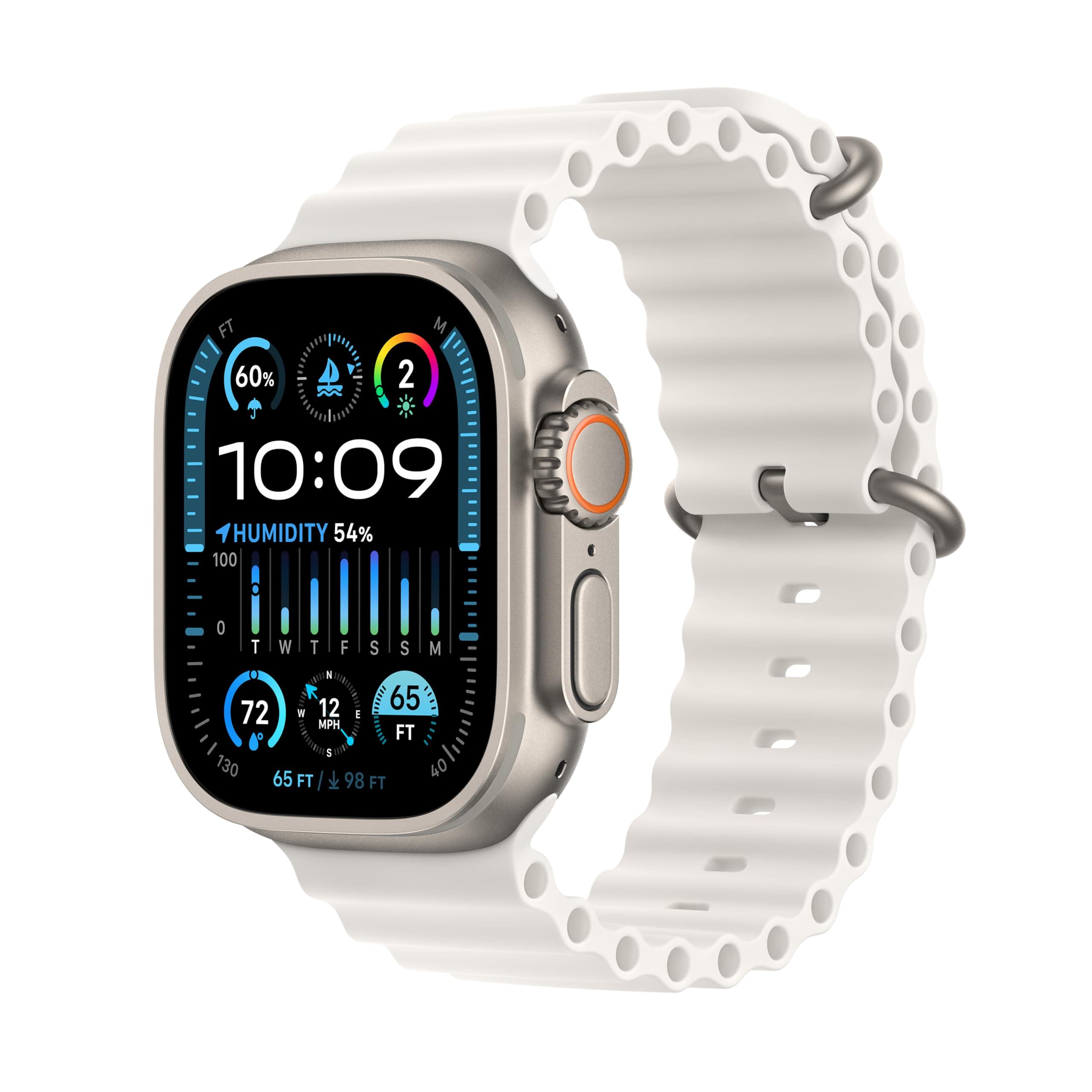
The Galaxy Watch Ultra 2 and Apple Watch Ultra 3are the two flagship smartwatches on the market. Here's how they stack up:
- Price: Ultra 2 is $699 vs Apple Ultra 3 at $640 on Amazon — Samsung costs $59 more
- Battery: Ultra 2's 800mAh vs Apple's estimated ~564mAh — Samsung wins on capacity
- Display brightness: 5,000 nits vs 3,000 nits — Samsung is significantly brighter outdoors
- Connectivity: Ultra 2 has 5G; Apple Ultra 3 has LTE only
- Storage: 64GB vs 32GB — Samsung doubles Apple
- Health sensors: Ultra 2 offers AGEs, Antioxidant, and Vascular Load; Apple has none of these
- Ecosystem: Apple wins for iPhone users; Samsung is better for Galaxy phone owners
- App ecosystem: watchOS has more premium third-party apps than Wear OS
If you're an iPhone user, the Apple Watch Ultra 3 remains the obvious choice. For Android users, the Ultra 2 is now the clear flagship — the experimental sensors, brighter display, and 5G connectivity give it meaningful hardware advantages. The question is whether Apple's Ultra 4 arriving in September with rumored blood pressure monitoring changes the math.
Should You Pre-Order the Galaxy Watch Ultra 2?
Pre-order if:You're an Android user who wants the most advanced smartwatch hardware available, you're interested in experimental health metrics beyond standard heart rate and SpO2, you want 5G connectivity for standalone use, or you're upgrading from a Galaxy Watch older than the Watch 7 series.
Wait if: You want to see real-world reviews of the experimental sensors before committing $699, you're an iPhone user (the Apple Watch Ultra 4 arrives in September), or you're happy with the original Ultra, which is now available from $225 refurbished on eBay.
Save money with: Samsung's trade-in program — trading in a Galaxy Watch 6 or newer can reduce the Ultra 2 to under $500 on Samsung.com. Also consider the Galaxy Watch 9 at $379.99 if you want the Snapdragon Wear Elite chip without the premium price tag.
Related Articles
- Galaxy Watch Ultra 2 at $699 vs Apple Watch Ultra 3: Should You Pre-Order?
- Galaxy Watch 9 vs Ultra 2: Final Specs Comparison
- Apple Watch Ultra 4 vs Ultra 3: Should You Wait?
- Best Smartwatches Fall 2026: Ultra 4 vs Galaxy Watch 9 vs Fenix 9
- Compare All Smartwatches
Frequently Asked Questions
What are AGEs and why does the Galaxy Watch Ultra 2 measure them?
AGEs (Advanced Glycation End Products) are compounds that accumulate in your body over time through diet, cooking methods, and metabolic processes. High AGEs levels are associated with accelerated aging, inflammation, and chronic diseases like diabetes. The Galaxy Watch Ultra 2 measures AGEs through a skin sensor, giving you a marker of metabolic aging that complements traditional metrics like heart rate and blood oxygen.
How much does the Galaxy Watch Ultra 2 cost and when does it ship?
The Galaxy Watch Ultra 2 costs $699 in the US and £649 in the UK. Pre-orders opened on July 22, 2026, and shipping begins August 7, 2026. Samsung offers trade-in deals that can reduce the upfront cost significantly — check Samsung.com for current trade-in values.
Is the Galaxy Watch Ultra 2 better than the Apple Watch Ultra 3?
The Galaxy Watch Ultra 2 has a larger 800mAh battery (vs Apple's ~564mAh), a brighter 5,000-nit display (vs 3,000 nits), three experimental health sensors Apple doesn't offer, 5G connectivity, and 64GB storage (vs 32GB). The Apple Watch Ultra 3 has a more mature app ecosystem, deeper iPhone integration, and a well-proven health platform with FDA-cleared ECG and blood oxygen. The Ultra 2 costs $699 vs Apple's $640 on Amazon.
Are the experimental health sensors on the Galaxy Watch Ultra 2 accurate?
Samsung classifies the AGEs Index, Antioxidant Index, and Vascular Load sensors as 'experimental' — meaning they are for wellness insight, not medical diagnosis. They have not received FDA clearance. Early reviews will determine real-world accuracy. If you're buying primarily for these sensors, consider waiting for independent testing results in August 2026.
Should I buy the Galaxy Watch Ultra 2 or wait for the Apple Watch Ultra 4?
The Apple Watch Ultra 4 is expected in September 2026 with a rumored 15% thinner design, blood pressure monitoring, and 72+ hour battery life. If you're in the Apple ecosystem, waiting 6–8 weeks for the Ultra 4 makes sense. If you're an Android user or want the experimental health sensors now, the Galaxy Watch Ultra 2 is the best premium smartwatch available for Android.