Garmin Fenix 9 vs Fenix 9 Pro 2026: Confirmed Specs and Which to Order
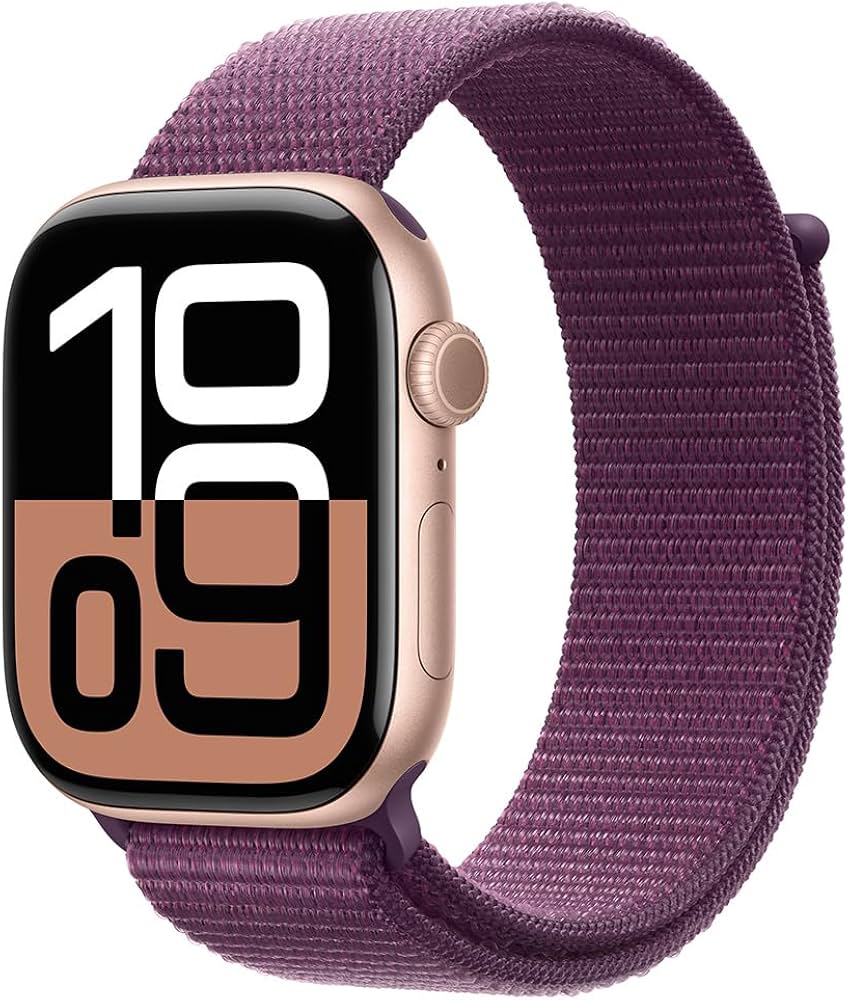
Garmin finally pulled the curtain back at its Play Harder event on August 25, and the Fenix 9 lineup is the biggest generational jump the series has ever seen. Every model gets an AMOLED display, every case is titanium, and the transflective MIP screen that defined Garmin for over a decade is gone. US orders open August 28. If you have been waiting, the question is no longer whether to buy a Fenix 9 — it is whether the $100 jump to the Fenix 9 Pro is worth it for inReach, ECG, and solar. Here is everything confirmed and how to decide.
What Did Garmin Actually Announce at Play Harder?
Play Harder was Garmin’s largest hardware event in years. The headline launches were the Fenix 9 and Fenix 9 Pro, but Garmin also revealed the Enduro 4 ultra-endurance watch and the Fenix E2, a more accessible entry point into the Fenix ecosystem. In total, there are 18 configurations across the Fenix 9 and Fenix 9 Pro tiers alone, spanning three case sizes: 43mm, 47mm, and 51mm.
The most significant strategic move is that Garmin has dropped the transflective MIP display entirely. Every Fenix 9 model ships with a 3,000-nit AMOLED panel. This puts Garmin on equal footing with the Apple Watch Ultra 3 and the Galaxy Watch Ultra 2 in terms of screen brightness and readability, while maintaining the multi-week battery life that neither Apple nor Samsung can match.
How Does the Fenix 9 Compare to the Fenix 9 Pro?
The base Fenix 9 and the Fenix 9 Pro share a common foundation. Both use the same 3,000-nit AMOLED display technology, both come in titanium cases across all three sizes, both pack 64GB of onboard storage, and both feature multi-band GNSS with Garmin’s SatIQ technology for intelligent satellite selection. Here is where they diverge:
- Case construction: The Fenix 9 uses a titanium bezel. The Fenix 9 Pro upgrades to a full titanium case with DLC (diamond-like carbon) coating for superior scratch and corrosion resistance.
- inReach satellite connectivity: The Pro adds two-way satellite messaging via Garmin’s inReach network, letting you send SOS alerts and text messages without cell coverage. For the first time, inReach is available in the 43mm case size, which was previously limited to 47mm and 51mm models.
- ECG sensor: The Pro includes an electrocardiogram sensor for on-demand heart rhythm readings, a feature the base Fenix 9 omits.
- Depth sensor: Rated to 40 meters, the Pro’s depth gauge turns it into a legitimate dive computer for recreational diving and snorkeling.
- Solar charging: Optional on Pro models, Garmin claims solar extends battery life up to 57 days in certain usage profiles, making it the longest-lasting AMOLED smartwatch ever announced.
- Price: The Fenix 9 starts at $999. The Fenix 9 Pro starts at $1,099. Both scale upward with larger case sizes and premium band options.
Is the Fenix 9 Pro Worth $100 More?
The $100 gap between the Fenix 9 and the Fenix 9 Pro is narrower than most people expect for the feature difference. The real question is whether you need any of the Pro-exclusive features, because if you need even one, the upgrade pays for itself.
InReach alone justifies the Pro if you hike, trail run, or ski in areas without cell service. A standalone inReach Mini 2 costs $399 and weighs 3.5 ounces. Having that capability built into your watch for a $100 premium is a straightforward value proposition. The fact that inReach is now available in the 43mm size means smaller-wristed athletes no longer have to strap on a 47mm or 51mm case to get satellite messaging.
ECG and the depth sensor are more situational. If you do not dive and have no cardiac history that warrants on-demand rhythm checks, those sensors sit dormant. Solar is appealing for multi-day expeditions where charging is impractical, but at 57 days of maximum battery life, even the non-solar Fenix 9 will last most people through any reasonable trip between charges.
Our take: If you spend meaningful time off-grid — backcountry hiking, remote trail races, international trekking — the Fenix 9 Pro is worth the extra $100 for inReach alone. If you are a road runner, gym athlete, or everyday wearer who rarely leaves cell coverage, save the money and buy the standard Fenix 9. Both watches share the same display, GPS accuracy, training metrics, and core smartwatch capabilities.
What About the Enduro 4 and Fenix E2?
Garmin also used Play Harder to announce two other watches worth knowing about. The Enduro 4 is the ultra-endurance counterpart to the Fenix 9 Pro, built for hundred-mile races and multi-day adventures where battery life is the single most important spec. Expect solar-first design and a battery measured in months rather than weeks.
The Fenix E2 sits below the Fenix 9 as a more approachable option for buyers who want Garmin’s outdoor DNA without the four-figure price tag. If you have been eyeing the Garmin Venu 4 but wish it had more serious sport credentials, the Fenix E2 may land in the sweet spot. Pricing and full specs for both models are expected closer to their respective ship dates.
Should You Order the Fenix 9 on August 28 or Wait?
Order on August 28 if you are already committed to the Garmin ecosystem and you know which size and tier you want. First-batch Fenix models tend to hold their value well, and Garmin rarely discounts new flagship hardware in the first six months. If you have been using a Fenix 7 or Fenix 8, the AMOLED upgrade alone is a meaningful jump in daily usability.
Wait if you want independent battery and GPS tests before committing $999 or more. Garmin’s claimed battery figures are typically accurate, but real-world performance with always-on display, frequent GPS recording, and music playback will vary. Early reviews should land within two to three weeks of launch. Also consider waiting if you are torn between the Fenix 9 and competing flagships like the Apple Watch Ultra 3, which is currently available at a significant discount from its $799 list price.
Skip the Fenix 9 entirely if you want a full-featured smartwatch with app store, NFC payments, and LTE. Garmin’s strength is sport and outdoor performance, not smart assistant integration or third-party app support. For that, the Apple Watch Ultra 4 or Galaxy Watch 9 are better fits. You can also compare live pricing on the Garmin Venu 4if you want Garmin’s health features in a more lifestyle-oriented package.
Related Articles
Garmin Fenix 9 FAQ
Common questions about the Garmin Fenix 9
Quick answers to help you choose the right Fenix 9 model before orders open.
How much does the Garmin Fenix 9 cost?
The Garmin Fenix 9 starts at $999 for the 43mm titanium AMOLED model with 64GB storage and multi-band GNSS. Pricing scales upward with larger case sizes. The Fenix 9 Pro starts at $1,099 and adds inReach satellite connectivity, ECG, a depth sensor rated to 40 meters, and optional solar charging. Across both tiers Garmin offers 18 total configurations.
What is the difference between Fenix 9 and Fenix 9 Pro?
Both share the same AMOLED display at 3,000 nits, titanium construction, 64GB storage, and multi-band GNSS with SatIQ. The Fenix 9 Pro adds a full titanium case with DLC coating, inReach satellite two-way messaging, an ECG sensor, a depth sensor rated to 40 meters for diving, and optional solar charging that extends battery life up to 57 days. The Pro also brings inReach to the 43mm case size for the first time.
When can I order the Garmin Fenix 9?
Garmin announced the Fenix 9 and Fenix 9 Pro at the Play Harder event on August 25, 2026. US orders open on August 28, 2026. Both standard and Pro models across all three case sizes (43mm, 47mm, 51mm) will be available to order on that date.
Is the Garmin Fenix 9 better than the Apple Watch Ultra 3?
They serve different audiences. The Fenix 9 offers dramatically longer battery life measured in weeks rather than hours, superior multi-sport tracking, offline topographic maps, and multi-band GNSS that works with both iPhone and Android. The Apple Watch Ultra 3 has a richer app ecosystem, better smart notifications, NFC payments everywhere, and deeper iPhone integration. Athletes and outdoor enthusiasts generally prefer Garmin, while everyday users who want a do-everything smartwatch lean toward Apple.
Does the Garmin Fenix 9 have a touchscreen?
Yes. The Garmin Fenix 9 features an AMOLED touchscreen rated at 3,000 nits across all models. Garmin has dropped the transflective MIP display option entirely for the Fenix 9 generation, making AMOLED standard. The watch also retains Garmin’s traditional five-button layout, so you can navigate by touch or buttons depending on the situation.