Oura Partners with Eli Lilly for GLP-1 Health Tracking: What Smart Ring Buyers Should Know (2026)
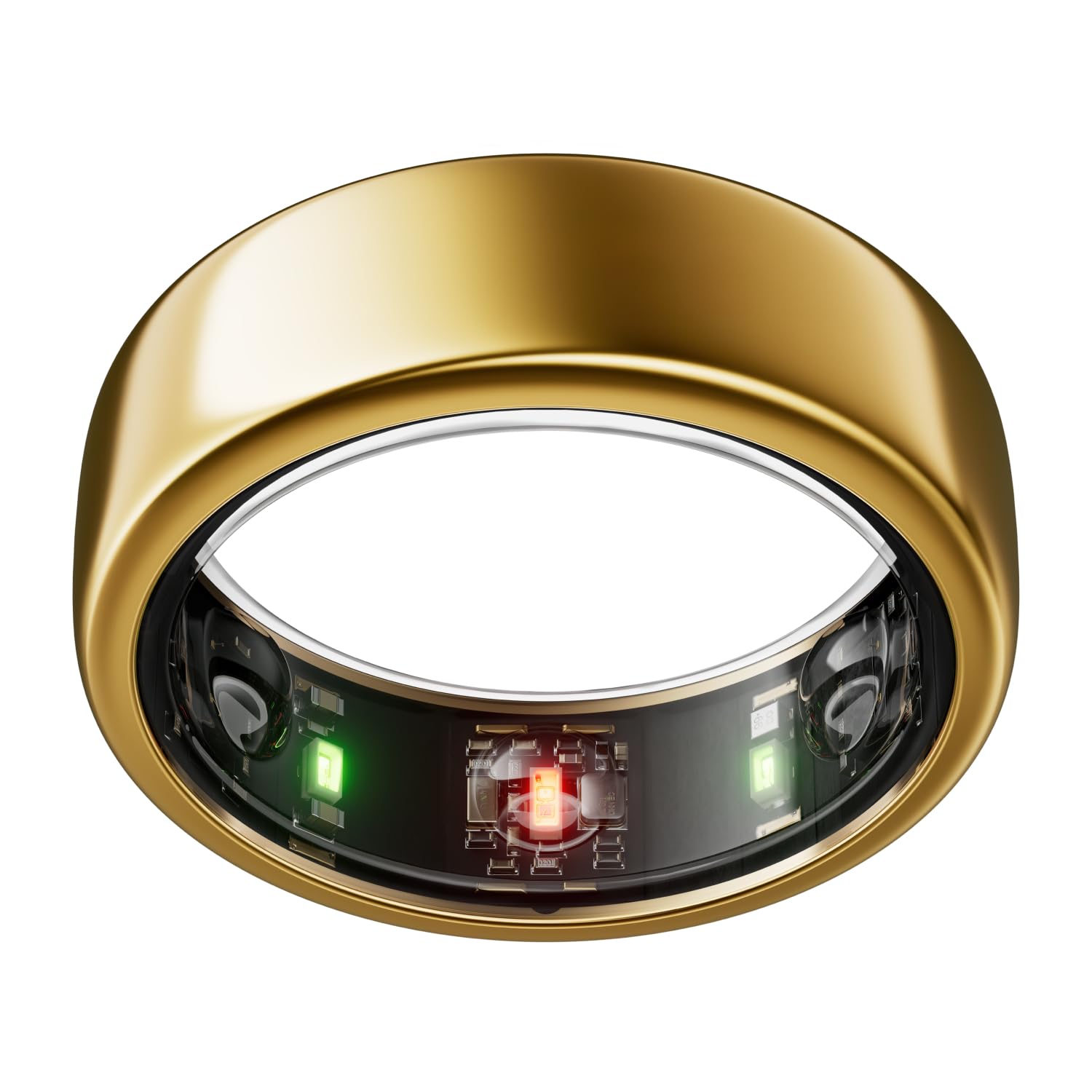
Oura just made the most significant partnership announcement in the smart ring industry’s short history. The company’s health data will now feed directly into Eli Lilly’s LillyDirect platform, giving physicians real-time access to sleep, heart rate, body temperature, and activity data from patients using GLP-1 weight loss medications like Mounjaro and Zepbound. It is the first time a major pharmaceutical company has formally integrated consumer smart ring data into a clinical treatment platform — and it signals a fundamental shift in how wearables fit into the healthcare system.
For smart ring buyers, this is not just a corporate press release. It reshapes the value proposition of the device on your finger. Here is what the partnership actually involves, why it matters, and how it should inform your next purchase.
What Does the Oura and LillyDirect Integration Actually Do?
LillyDirect is Eli Lilly’s direct-to-patient health platform, designed to streamline the experience for patients on GLP-1 medications. The platform connects patients with physicians, handles prescriptions, and — with this new partnership — now incorporates continuous health data from the Oura Ring.
The integration works by sharing key Oura metrics with a patient’s care team through LillyDirect. When someone starts a GLP-1 medication like Mounjaro, their body goes through measurable changes: sleep patterns shift, resting heart rate adjusts, activity levels evolve as weight changes, and body temperature can fluctuate. The Oura Ring captures all of these passively, 24 hours a day, without requiring the patient to do anything beyond wearing it.
This matters because GLP-1 medications are not set-and-forget treatments. Dosing adjustments are common, side effects vary between patients, and physicians have historically relied on periodic office visits and patient self-reporting to gauge progress. Continuous data from a wearable fills the gaps between appointments and gives clinicians an objective picture of how the medication is affecting the patient’s body.
The timing is notable. The Medicare GLP-1 Bridge program, running from July 2026 through December 2027, is expanding access to these medications for older adults. As the pool of GLP-1 users grows, the demand for tools that support medication monitoring grows with it.
Why Are Pharma Companies Suddenly Interested in Smart Rings?
The LillyDirect deal is not happening in isolation. Oura has been building a web of clinical partnerships throughout 2026. The company partnered with Counsel Health to provide Oura Ring owners with easier access to physicians who can interpret their wearable data. It partnered with Mira for hormone tracking integration, giving the ring a role in reproductive health monitoring. And it partnered with Dexcom for continuous glucose monitoring, connecting ring data with blood sugar trends.
Each of these partnerships follows the same logic: a smart ring that collects health data continuously is far more useful when that data flows into systems where clinicians can act on it. The ring itself has not changed. What has changed is the infrastructure around it.
Pharmaceutical companies see a clear opportunity here. GLP-1 drugs are the fastest-growing drug class in history, and patient adherence and monitoring are the biggest challenges. A $349–$399 smart ring that runs for a week on a single charge and collects clinically relevant data without any user effort is, from a cost-effectiveness standpoint, far cheaper than additional clinic visits or dedicated medical devices.
This is why Oura’s market position matters. The company holds a 76.4% shareof the smart ring market, and smart ring shipments are projected to jump 49% between 2025 and 2026. When a pharma company wants to integrate wearable ring data into their platform, Oura is the obvious — and currently only serious — choice. If you’re curious about how Oura reached this position, our analysis of the Oura IPO and $11 billion valuation covers the financial side.
How Does the Oura Ring 5 Fit Into This Health Tracking Push?
The Oura Ring 5, launched on May 28, 2026, arrived as the world’s smallest smart ring. At $399, it added two features that are directly relevant to the LillyDirect integration: blood pressure trend monitoring and nighttime breathing analysis.
Blood pressure trends are particularly significant for GLP-1 users. Weight loss medications can lower blood pressure, and tracking that change over time — without a cuff, without a clinic visit — adds a data stream that physicians value. Nighttime breathing analysis provides insight into sleep apnea risk, which often improves as patients lose weight on GLP-1 drugs.
The Ring 4 at $349 still tracks the core metrics involved in the LillyDirect integration: sleep stages, heart rate variability, body temperature, and daily activity. If the clinical partnerships are what draw you to Oura but you do not need the newest hardware, the Ring 4 remains an excellent option — especially with current Ring 4 pricing. For a full comparison with competitors, see our smart rings category page.
Should Smart Ring Buyers Care About Pharma Partnerships?
Yes, and here is why: the partnerships change what a smart ring is. Without clinical integrations, an Oura Ring is a personal wellness tracker — it shows you your sleep score, tells you when your body temperature is elevated, and nudges you to move more. With clinical integrations, the same ring becomes a remote patient monitoring tool that feeds data into a physician’s workflow. The hardware is identical. The utility is not.
This has practical implications for the buy decision between Oura and its competitors. The Samsung Galaxy Ring at $399 offers tight integration with Galaxy phones, Galaxy Watch, and Samsung Health. It tracks similar metrics. But Samsung has not announced any clinical partnerships, and the Galaxy Ring 2 has been shelved until at least 2027. If health monitoring that connects to your doctor matters to you, Oura is currently the only smart ring that delivers on that promise.
For buyers who use their ring purely for personal fitness and sleep tracking, the pharma partnerships are less directly relevant — but they still signal something important about where Oura is investing. A company building clinical infrastructure is a company that is going to continue pushing sensor accuracy and data reliability, because physicians demand higher standards than consumers do. That benefits every Oura Ring owner, whether or not they use LillyDirect.
What This Means for the Future of Smart Ring Health Tracking
The Oura-Eli Lilly partnership establishes a template. Pharmaceutical companies now see consumer wearables as viable data sources for clinical care. Once one major pharma company validates the approach, others will follow. Expect to see similar integrations from competitors in weight management, cardiovascular care, and chronic disease management over the next 12 to 18 months.
For the smart ring market specifically, this creates a moat for Oura that is harder to cross than hardware specs alone. Building clinical partnerships requires regulatory navigation, data privacy frameworks, physician buy-in, and years of trust-building with health systems. Oura’s partnerships with Eli Lilly, Counsel Health, Mira, Dexcom, and ResMed did not happen overnight. Any competitor entering this space — Samsung, RingConn, Ultrahuman — would need to build the same infrastructure from scratch.
If you are in the market for a smart ring in 2026, the question is no longer just about sensors, battery life, and app design. It is about what happens with your data after the ring collects it. Oura is building toward a future where your ring is part of your healthcare system. That is a meaningfully different product than a ring that shows you a daily readiness score.
Related Articles
Frequently Asked Questions
- What does the Oura and Eli Lilly partnership mean for Oura Ring owners?
- If you use a GLP-1 medication through Eli Lilly's LillyDirect platform, your Oura Ring data — including sleep, heart rate, body temperature, and activity metrics — can be shared with your care team to help monitor how your body responds to the medication. This gives physicians a more complete picture beyond periodic check-ins.
- Do I need an Oura Ring 5 to use the LillyDirect integration?
- Oura has not confirmed whether older models will be supported, but the Ring 4 and Ring 5 both offer the core health metrics involved in the integration. The Ring 5 adds blood pressure trend monitoring and nighttime breathing analysis, which could provide additional data for GLP-1 tracking.
- Is the Medicare GLP-1 Bridge program available now?
- The Medicare GLP-1 Bridge program runs from July 2026 through December 2027. It provides temporary coverage for GLP-1 medications, which could expand the number of users who benefit from wearable health integrations like Oura's LillyDirect partnership.
- How does Oura compare to Samsung Galaxy Ring for health tracking?
- Oura leads the smart ring market with 76.4% share and now has clinical partnerships with Eli Lilly, Counsel Health, Dexcom, and Mira. Samsung Galaxy Ring offers solid fitness tracking with Galaxy ecosystem integration but lacks the pharma and clinical partnerships that make Oura more attractive for serious health monitoring.
- Will Oura Ring track GLP-1 side effects automatically?
- The Oura Ring does not directly detect GLP-1 side effects. However, it tracks sleep quality, resting heart rate, body temperature trends, and activity levels — all of which can change when starting or adjusting GLP-1 medications. Physicians using LillyDirect can review these trends to identify potential issues early.