Oura Ring 5 Features Hit Gen 3 and Gen 4: Health Radar, Live Activity, Connected Care — What Changed and Who Should Care (2026)
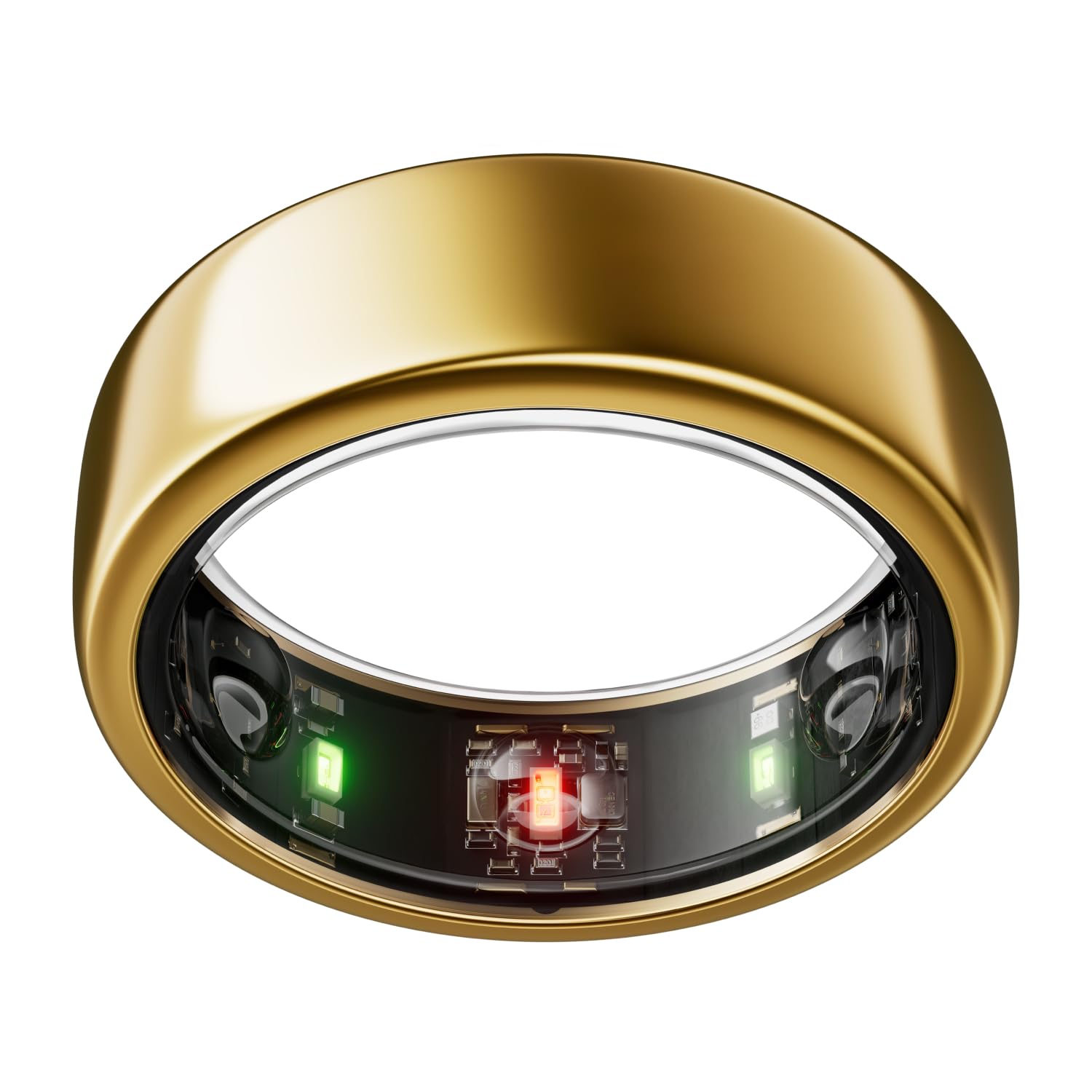
Oura just made the best case for not upgrading to its newest ring. Starting July 1, 2026, the company began rolling out Ring 5's headline software featuresto owners of Ring Gen 3 and Gen 4 — including Health Radar, live activity tracking, Lab Uploads, and Connected Care. The rollout continues through July 7, and it fundamentally changes the smart ring upgrade equation. Here's what every Oura owner (and prospective buyer) needs to know.
New Features
Health Radar (blood pressure signals), live activity tracking (real-time pace/HR), Lab Uploads (PDF results), Connected Care (telehealth in 43 states), and GLP-1 Insights.
Who Benefits Most
Gen 3 and Gen 4 owners with active Oura Membership ($5.99/mo). If you skipped Ring 5 because of the software, this update closes the gap significantly.
Best Deals
Health Radar: Blood Pressure Signals Come to Older Rings
Health Radar is the headline addition, and it's the feature that originally justified Ring 5's $399 price tag for many health-focused buyers. It uses nighttime PPG (photoplethysmography) data to track blood pressure signal trends over 30-day rolling windows. Rather than giving you a single blood pressure reading, Health Radar surfaces cardiovascular patterns and deviations from your personal baseline — then sends proactive notifications when something looks off.
The feature also monitors nighttime breathing patterns, flagging changes that could indicate respiratory issues, sleep apnea, or illness onset. You can log manual blood pressure cuff measurements alongside the ring's continuous data for a more complete cardiovascular picture. It's not a medical device — Oura is clear about that — but it's one of the most sophisticated passive health monitoring systems available in a consumer wearable. Read our Health Radar deep dive for more on how the technology works.
Live Activity Tracking: Oura Finally Catches Up
For years, Oura's biggest weakness was its approach to workouts. The ring recorded exercise data, but you only saw results after the session ended. That changes now. Live Activity Tracking shows real-time stats during workouts — pace, distance, and heart rate — directly in the Oura app on your phone.
This is a meaningful upgrade that makes Oura feel less like a sleep-and-recovery device and more like a genuine fitness companion. It also narrows the gap with the Samsung Galaxy Ring, which has offered real-time workout tracking since launch. For runners, cyclists, and gym-goers who want mid-session feedback without wearing both a ring and a watch, this update delivers.
Lab Uploads: Bridging Clinical and Wearable Data
Lab Uploadslets you upload PDF lab results — cholesterol panels, blood glucose, thyroid tests, metabolic panels — directly into the Oura app. Your clinical biomarkers then appear alongside your ring's continuous health data in a unified longitudinal view. This bridges the gap between what your doctor measures once or twice a year and what your ring measures every night.
The practical value is in pattern recognition. If your Health Radar shows a shift in cardiovascular signals, you can cross-reference with your most recent lipid panel. If your readiness scores decline over months, you have lab context to discuss with your physician. It's a small feature that meaningfully increases the ring's utility as a health management tool rather than just a tracker.
Connected Care: From Data to Doctor
Perhaps the most forward-looking addition is Connected Care, available through Oura Labs and powered by Counsel Health. Available in 43 US states, it connects ring health insights directly to licensed physician care. When Health Radar flags something concerning, you can move from alert to telehealth consultation without leaving the Oura experience.
This positions Oura differently from every other smart ring and most smartwatches. Samsung, Ultrahuman, and RingConn all stop at the data layer — they show you numbers and trends, then leave you to figure out what to do. Oura is building the next step: data to insight to action to care. Whether Connected Care becomes a mainstream feature or remains a niche add-on depends on execution, but the direction is clearly right.
Should You Still Upgrade to Ring 5?
If you own Ring Gen 4: the urgency to upgrade drops significantly. You now have access to nearly every Ring 5 software feature. Ring 5's remaining advantages are purely hardware: a 40% thinner profile, lighter weight, and improved sensor accuracy from next-gen PPG hardware. Those matter for comfort and data quality, but they're incremental improvements rather than feature unlocks.
If you own Ring Gen 3: both the Ring Gen 4 (from $349) and Ring 5 ($399) represent meaningful hardware upgrades with better sensors, improved battery life, and a more comfortable form factor. The software is now identical across all three generations, so your choice comes down to budget and whether the thinner Ring 5 design is worth $50 more.
If you don't own an Oura ring: this update makes the Ring Gen 4 at $349 the best value in smart rings right now. You get the same software features as Ring 5 at a lower price with proven hardware. Check the latest Oura Ring 4 prices and read our Ring 5 review roundup for the full comparison.
The Subscription Question
Every new feature in this rollout requires an active Oura Membership at $5.99/month ($71.88/year). Without the subscription, your ring still tracks sleep and provides basic readiness and activity scores, but you lose Health Radar, Lab Uploads, Connected Care, live activity tracking, and GLP-1 Insights. For context, the Samsung Galaxy Ring requires no subscription — Samsung Health is free. That's $72/year in ongoing cost that Samsung doesn't charge, and it's worth factoring into your total cost of ownership when comparing rings in our smart rings guide.
Related Articles
Smart Ring FAQ
Oura Ring 5 Features Rollout: Common Questions
Quick answers about Oura's feature rollout to Gen 3 and Gen 4 rings and what it means for your upgrade decision.
Do I need Oura Ring 5 to get Health Radar?
No. Starting July 1, 2026, Oura is rolling out Health Radar to Ring Gen 3 and Gen 4 owners with an active Oura Membership. The rollout continues through July 7.
What is Oura Connected Care?
Connected Care is a new Oura Labs feature powered by Counsel Health that connects ring health insights to licensed physician care, available in 43 US states. You can move from ring data to medical advice without leaving the Oura experience.
Is it still worth upgrading to Oura Ring 5?
If you already have Ring Gen 4, less so now — most Ring 5 software features are coming to Gen 4. Ring 5’s advantages are hardware: 40% thinner, lighter, and improved sensors. If you’re on Gen 3, both Ring 4 (from $349) and Ring 5 ($399) are worthy upgrades.
Does Oura Ring have live activity tracking now?
Yes. The July 2026 rollout brings real-time stats like pace, distance, and heart rate during workouts to Gen 3 and Gen 4 rings, making Oura more competitive with Samsung Galaxy Ring for exercise tracking.
Do I need an Oura subscription for these features?
Yes. All new features require an active Oura Membership at $5.99/month. Without it, you get basic sleep and readiness scores but miss Health Radar, Lab Uploads, Connected Care, and live activity tracking.