Oura x Xella Health: What the AI Women's Health Partnership Means for Smart Ring Buyers in 2026
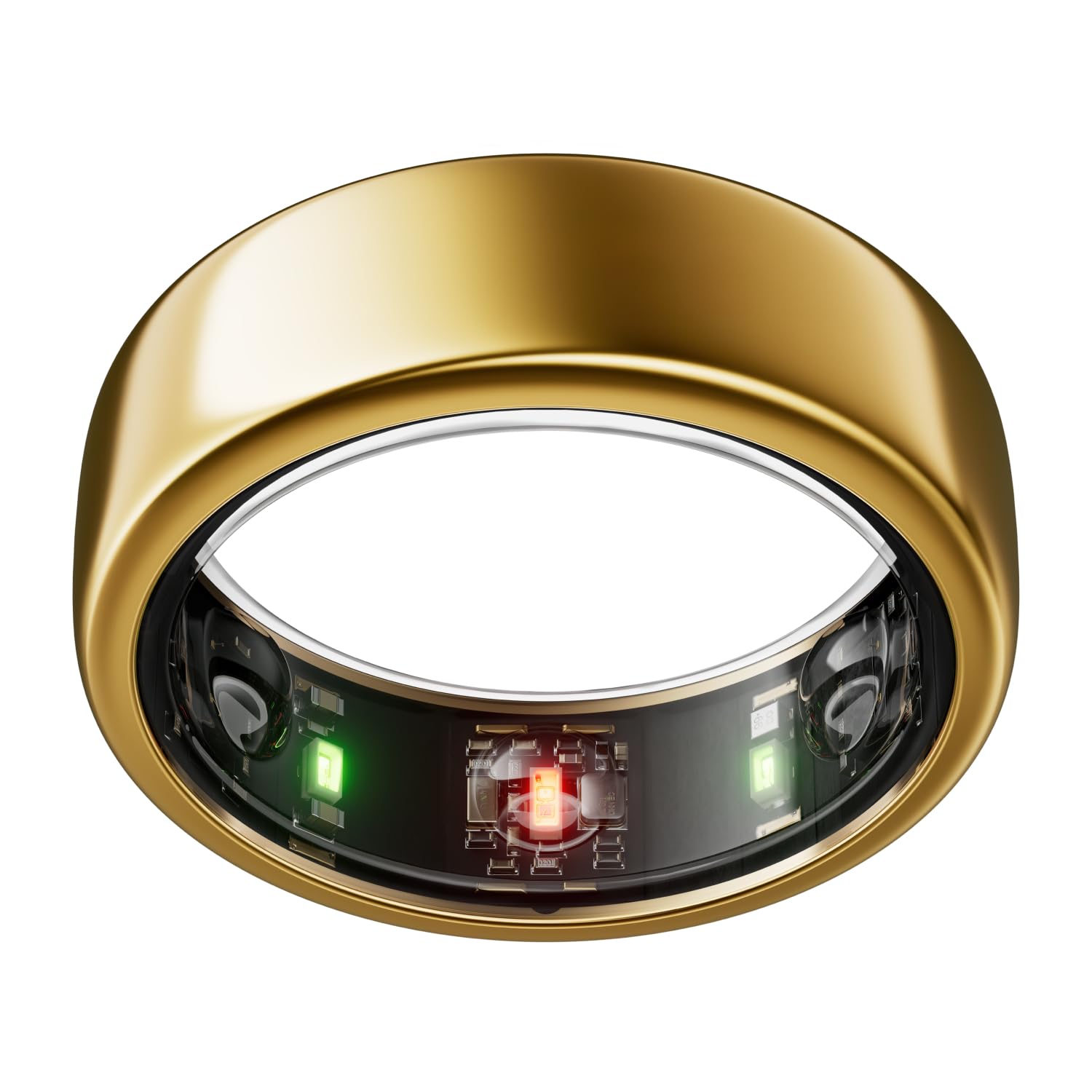
Oura just made the strongest case yet for why its smart ring is in a category of its own. The company has announced a partnership with Xella Health, a women's health platform that uses AI-driven "multi-omic" diagnostics to screen for over 130 conditions, from endometriosis and PCOS to perimenopause and cardiometabolic risk. It is the most clinically ambitious integration any smart ring has ever offered. Here is what it means if you are shopping for a wearable right now.
The Partnership
Oura Ring data feeds into Xella Health's AI to screen for 130+ women's health conditions with doctor-created care plans.
The Cost
$499/year for Xella, plus Oura's $5.99/month subscription. Available in most U.S. states (not NY or NJ).
Buyer Impact
No other smart ring offers anything comparable. This widens Oura's lead in health tracking.
How the Oura and Xella Health Integration Works
The partnership lets Oura Ring users opt in to share a detailed stream of wearable data with Xella Health: sleep patterns, heart rate variability (HRV), resting heart rate, skin temperature trends, recovery scores, daily activity, and menstrual cycle tracking. Xella's platform then runs what it calls multi-omic diagnostics, combining your ring data with lab-based analysis of hormones, metabolism, inflammation markers, nutrition, reproductive health, and cardiometabolic risk factors.
The result is a comprehensive health picture that neither the ring nor the lab could deliver alone. Xella's AI cross-references your continuous wearable data against your biomarker results to flag patterns a single data source would miss. From there, a licensed physician creates a personalized care plan. It is the first time a smart ring has been directly integrated into a clinical diagnostic workflow of this scope.
What Can Xella Health Actually Screen For?
Xella Health claims its platform can screen for more than 130 conditions. The most significant for smart ring buyers include:
- Endometriosis: A condition affecting roughly 10% of reproductive-age women, often taking 7-10 years to diagnose through traditional channels.
- PCOS (Polycystic Ovary Syndrome): One of the most common hormonal disorders, linked to irregular cycles, weight gain, and fertility challenges.
- Perimenopause: The transitional phase before menopause, where temperature and HRV trends from the ring can reveal hormonal shifts months before symptoms become obvious.
- Cardiometabolic risk: Heart disease remains the leading cause of death in women. Xella combines resting heart rate and HRV data with metabolic lab markers for early risk assessment.
- Nutritional and inflammatory markers: Deficiencies and chronic inflammation that affect energy, recovery, and long-term health outcomes.
This is a meaningful step beyond what any wearable app currently offers on its own. The Oura Ring Gen 4 already had the strongest cycle tracking and temperature trend analysis in the smart ring category. Xella Health turns that passive data collection into an active diagnostic tool.
The Cost Reality: Is $499/Year Worth It?
Let's be direct about the numbers. The full Oura plus Xella Health stack costs:
- Oura Ring Gen 4: $349 one-time purchase (check current price)
- Oura subscription: $5.99/month ($71.88/year)
- Xella Health: $499/year
- Year one total: Roughly $920. Subsequent years: roughly $571.
That is not cheap. But context matters. A single specialist visit for endometriosis evaluation can cost $300-$500 out of pocket, and women with undiagnosed hormonal conditions often cycle through multiple appointments before getting answers. If Xella's screening catches a condition early or eliminates unnecessary specialist visits, the math shifts. The value proposition is strongest for women with unexplained symptoms, family history of hormonal conditions, or those entering perimenopause who want proactive monitoring.
For buyers who want the Oura Ring purely for sleep and fitness tracking, Xella is entirely optional. The ring stands on its own merits without it.
What This Means for the Smart Ring Market
This partnership highlights how far ahead Oura is in building a clinical health ecosystem around its ring. No other smart ring maker has anything comparable:
- The Samsung Galaxy Ring tracks cycles through Samsung Health but offers no clinical diagnostics or third-party health platform integrations. Samsung's Galaxy Ring 2 has been delayed to 2027 due to a patent dispute with Oura, leaving Samsung's ring roadmap stalled. (Check Galaxy Ring price)
- RingConn Gen 2 and Ultrahuman Ring Air provide solid baseline health tracking at lower price points, but neither has pursued clinical partnerships.
- Oura itself recently postponed its planned $15.6 billion IPO, citing market uncertainty. The Xella partnership signals that Oura is doubling down on health platform depth while it waits for better market conditions to go public.
For buyers, the competitive takeaway is clear. If women's health tracking is a priority, the Oura Ring is now the only smart ring with a serious clinical pathway. If you want a simpler, subscription-free experience, the Samsung Galaxy Ring or RingConn Gen 2 remain strong alternatives, but they cannot match the depth Oura now offers.
Bottom Line: Should You Buy an Oura Ring for Xella Health?
If women's health diagnostics matter to you, the Oura Ring just became the only smart ring worth considering. No competitor offers anything close to the clinical depth that the Xella Health integration provides. The $499/year price tag is significant, but it buys access to screening for conditions that are notoriously difficult and expensive to diagnose through traditional healthcare.
If you already own an Oura Ring and live in an eligible U.S. state (anywhere except New York and New Jersey), exploring Xella Health is a straightforward decision. If you are deciding between smart rings and women's health is a factor, the Oura Ring Gen 4 is our recommendation. Check our best smart rings guide for a broader comparison of all options.
Related Articles
Oura x Xella Health FAQ
Common questions about Oura's women's health partnership
Quick answers to help you decide whether Xella Health is worth adding to your Oura Ring experience.
What is the Oura and Xella Health partnership?
Oura has partnered with Xella Health, a women's health platform, to let Oura Ring users share their wearable data (sleep, HRV, resting heart rate, temperature trends, recovery, activity, and menstrual cycle) with Xella's AI-driven multi-omic diagnostics. Xella analyzes this data alongside hormones, metabolism, inflammation, nutrition, and reproductive health markers to screen for 130+ conditions and create doctor-designed care plans.
How much does Xella Health cost on top of the Oura subscription?
Xella Health costs $499 per year. This is in addition to Oura's own $5.99/month subscription, bringing the total annual cost to roughly $571 for the full experience. The Oura Ring itself starts at $349.
Is Xella Health available in all U.S. states?
No. As of October 2026, Xella Health is available to eligible Oura members in the United States except New York and New Jersey. International availability has not been announced.
Does the Samsung Galaxy Ring offer anything similar to Xella Health?
No. The Samsung Galaxy Ring does not have a comparable clinical health partnership. Samsung Health tracks cycle patterns, but it does not offer multi-omic diagnostics, condition screening, or doctor-created care plans. The Galaxy Ring 2 has been delayed to 2027 due to a patent dispute, so Samsung's smart ring roadmap remains uncertain.
What conditions can Xella Health screen for with Oura data?
Xella Health can screen for over 130 conditions, including endometriosis, PCOS (polycystic ovary syndrome), perimenopause, cardiometabolic risk factors, and other hormonal, metabolic, and reproductive health issues. The screening combines Oura Ring sensor data with lab-based biomarker analysis.