Pixel Watch 5 Health Features Explained: Blood Pressure, Insulin Resistance, and Health Guardian
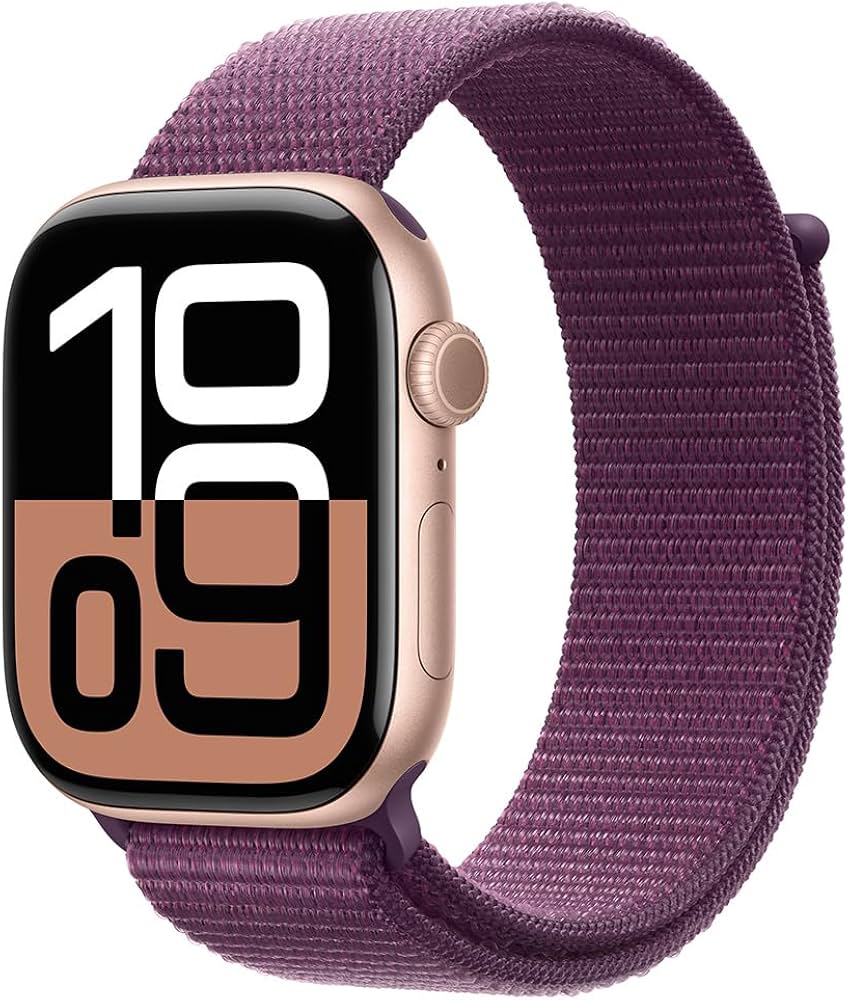
Google's Pixel Watch 5 launched with a $399 starting price and a spec sheet packed with new health capabilities. While much of the launch conversation has focused on Gemini AI delays and pricing, the real story for many buyers is what sits on your wrist: blood pressure trend monitoring, insulin resistance reports, and the new Health Guardian safety suite. These are features that could genuinely change how you manage your health day-to-day. Here's what each one actually does — and whether they're worth the asking price.
Price
$399 (41mm Wi-Fi) to $529 (45mm LTE). LTE models required for phone-free Health Guardian emergency features.
Key Health Features
Blood pressure trends, insulin resistance reports, Health Guardian (loss of pulse, respiratory distress, irregular rhythm).
Our Verdict
Worth it for health-first Android buyers who want the broadest feature set. Compare prices
What Health Features Does the Pixel Watch 5 Actually Track?
The Pixel Watch 5 packs more health sensors and software capabilities than any previous Google smartwatch. Here's the complete list of what it tracks:
- Blood pressure trends: Monthly reports generated from continuous heart rate sensor data that flag potential hypertension patterns over time.
- Insulin resistance trends: Monthly reports using skin temperature and heart rate variability data during sleep to identify early metabolic changes — a feature unique to the Pixel Watch 5.
- Health Guardian suite: Loss of pulse detection, respiratory distress alerts, irregular rhythm notifications, and high/low heart rate alerts with automatic emergency calling.
- Sleep tracking: Sleep stages, sleep score, bedtime consistency, and overnight blood oxygen monitoring.
- Stress monitoring: Continuous body response measurement with guided breathing exercises when elevated stress is detected.
- SpO2 (blood oxygen): On-demand and overnight blood oxygen saturation readings.
- Skin temperature: Continuous monitoring used to inform menstrual cycle predictions and other health insights.
That's a significant step up from the Pixel Watch 3, which lacked blood pressure trends, insulin resistance monitoring, and the full Health Guardian suite. If health tracking is your primary reason for buying a smartwatch, the gap between generations is meaningful.
How Does Blood Pressure Trend Monitoring Work?
Let's be clear about what this is and what it isn't. The Pixel Watch 5 does not take cuff-style blood pressure readings. You will not see a "120/80" number on your wrist. Instead, the watch uses patterns from its optical heart rate sensor — specifically, pulse wave velocity and pulse transit time — to build a picture of your cardiovascular behavior over weeks.
At the end of each month, the Fitbit app generates a blood pressure trend report. This report highlights whether your readings have been trending upward, remaining stable, or showing patterns associated with elevated blood pressure risk. If the watch detects a sustained upward trend, you'll get a notification recommending you see a healthcare provider.
Important limitations: This feature is not FDA-cleared for diagnosis. It cannot tell you your actual blood pressure at any given moment. Think of it as a long-term early warning system, not a replacement for your doctor's cuff. That said, for the roughly 50% of adults with hypertension who don't know they have it, this kind of passive monitoring could be genuinely life-saving — it flags a problem you would otherwise miss entirely.
Is the AI Workout Builder Worth It for Fitness?
Beyond passive health monitoring, the Pixel Watch 5 introduces a revamped Workout Builder that adds a new dimension to active fitness tracking. The system includes a comprehensive exercise library with animated demonstrations, an AI Coach that can build multi-week training plans based on your goals and fitness level, and in-workout features like rest timers, audio cues, and weight/rep tracking.
The AI Coach analyzes your workout history, recovery data, and sleep quality to suggest when to push harder and when to pull back. It's not as detailed as a dedicated platform like TrainerRoad or Garmin's training readiness system, but it's a meaningful upgrade from the Pixel Watch 4's basic workout tracking.
For runners and cyclists, the Pixel Watch 5 also delivers GPS accuracy that's 2x better in urban environments, according to early testing by DC Rainmaker. The multi-band GNSS system handles tall buildings and narrow streets significantly better than its predecessor. If you've been frustrated by erratic GPS tracks on downtown runs, this is a notable improvement.
How Does It Compare to Apple Watch and Samsung Galaxy Watch for Health?
The health tracking landscape across smartwatches is increasingly competitive. Here's how the three major platforms stack up:
- Apple Watch Series 11 — $299: FDA-cleared ECG, blood oxygen monitoring, temperature sensing, and crash detection. A mature health platform with deep iOS integration. The Apple Watch Series 12, expected in September, will add blood pressure trend monitoring — directly matching the Pixel Watch 5's headline health feature.
- Samsung Galaxy Watch Ultra 2 — $699: BIA body composition analysis, AGEs sensor (Advanced Glycation End-products for metabolic health), and hearing monitoring. The most expensive option but offers unique metrics like body fat percentage and biological age markers.
- Pixel Watch 5 — $399: Wins on insulin resistance monitoring (unique among all smartwatches), Health Guardian's comprehensive safety net, and superior GPS accuracy per early testing. Loses on lacking FDA-cleared ECG and the Galaxy Watch Ultra 2's body composition analysis.
The key differentiator is insulin resistance monitoring. No other smartwatch offers it. If metabolic health is a priority for you — whether due to family history, prediabetes concerns, or general wellness — the Pixel Watch 5 is the only wrist-worn option that tracks this metric. For everything else, the Apple Watch and Galaxy Watch platforms are competitive or, in the case of ECG, ahead. Check current Apple Watch Series 11 prices for comparison shopping.
Should You Buy the Pixel Watch 5 for Health Monitoring?
After breaking down every health feature, here's our recommendation:
- Buy if: You're an Android user who wants the most comprehensive health tracking available on a smartwatch. The combination of blood pressure trends, insulin resistance monitoring, Health Guardian safety features, and improved GPS accuracy makes the Pixel Watch 5 the best health-focused Wear OS watch you can buy. If metabolic health tracking matters to you, nothing else compares.
- Wait if: You're in the Apple ecosystem and curious about the Apple Watch Series 12 arriving in September with its own blood pressure features, or if you're holding out for the Gemini AI features that Google has promised for later in 2026.
- Skip if: You need multi-day battery life (the Pixel Watch 5 still maxes out around 24 hours), you require FDA-cleared clinical-grade readings for medical decision-making, or you're already satisfied with your current health tracking setup. A clearance-priced Pixel Watch 3 at $247 still covers the basics like heart rate, sleep, and SpO2.
The Pixel Watch 5 isn't perfect — no smartwatch replaces medical devices — but it pushes the boundary of what passive health monitoring can do. For health-first buyers, the $399 asking price buys a genuinely unique feature set that no competitor matches.
Related Articles
Health Features FAQ
Common questions about Pixel Watch 5 health monitoring
Quick answers about blood pressure trends, insulin resistance, Health Guardian, and more.
Can the Pixel Watch 5 measure blood pressure?
The Pixel Watch 5 offers blood pressure trend monitoring, not cuff-style readings. It uses patterns from the heart rate sensor over time to generate monthly reports that flag potential hypertension trends. It is not FDA-cleared for diagnosis, so it cannot replace a clinical blood pressure monitor — but it can alert you to changes worth discussing with your doctor.
What is insulin resistance monitoring on the Pixel Watch 5?
The Pixel Watch 5 generates a monthly insulin resistance report using skin temperature and heart rate variability data collected during sleep. It flags trends that may indicate early metabolic changes. This feature is unique among smartwatches — neither the Apple Watch nor Samsung Galaxy Watch offers anything comparable. It is not a diagnostic tool, but it can help you spot patterns to raise with your healthcare provider.
Is the Pixel Watch 5 better than Apple Watch for health tracking?
Each has different strengths. The Pixel Watch 5 offers insulin resistance monitoring, which is unique among smartwatches, plus blood pressure trends and the Health Guardian safety suite. The Apple Watch Series 11 has FDA-cleared ECG, blood oxygen monitoring, and temperature sensing. The Apple Watch Series 12, expected in September, will add blood pressure trend monitoring. For Android users who want the broadest health feature set, the Pixel Watch 5 leads. For iOS users, the Apple Watch remains the better option.
Does Health Guardian work without a phone?
Yes, on LTE models. The Health Guardian suite — including loss of pulse detection, respiratory distress alerts, irregular rhythm notifications, and emergency calling — works independently on the Pixel Watch 5 LTE variants even when your phone is not nearby. Wi-Fi-only models require a connected phone for emergency contact features.
What health features require a Fitbit Premium subscription?
Core health monitoring — blood pressure trends, insulin resistance reports, Health Guardian alerts, heart rate tracking, SpO2, sleep tracking, and stress monitoring — is included free with the Pixel Watch 5. Some advanced insights, detailed sleep analysis, workout recommendations from the AI Coach, and personalized health reports may require a Fitbit Premium subscription, which costs $9.99 per month or $79.99 per year.