RingConn Gen 3 Review Roundup: Is the $299 No-Subscription Smart Ring Worth It?
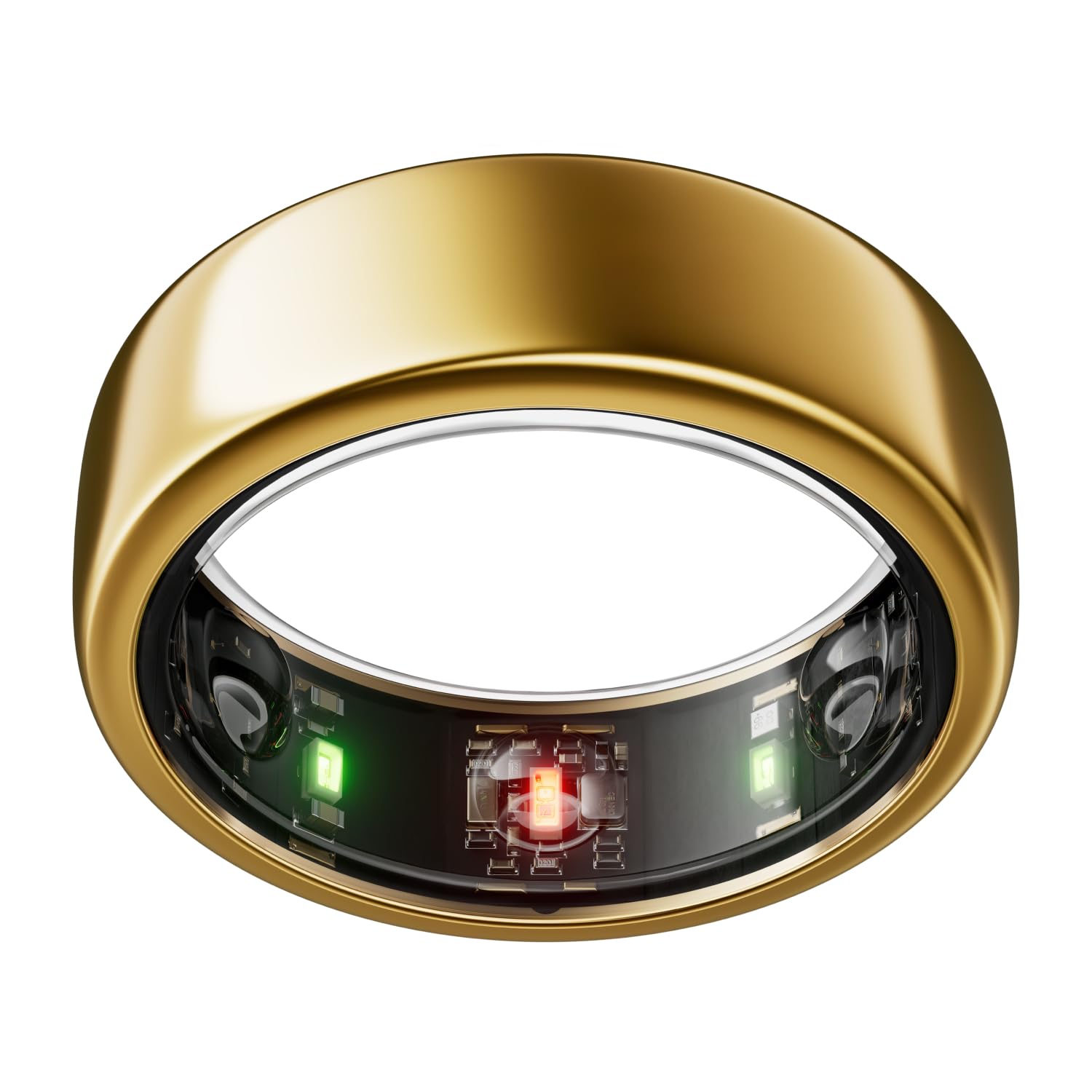
The RingConn Gen 3 has been on wrists (and fingers) for a week now, and the first full reviews from major outlets paint a clear picture: this is the best-value smart ring you can buy in 2026— but it's not the best smart ring, period. Here's what multiple reviewers agree on, where they disagree, and whether the Gen 3 deserves your $299.
Price
$299 with no subscription — $100 cheaper than Oura Ring 5 before you factor in Oura's $5.99/month fee.
Standout Feature
Built-in haptic motor for heart rate alerts, inactivity reminders, and step goal notifications — a first for RingConn.
Battery Life
Up to 14 days on a single charge — nearly double the Oura Ring 5's 6-9 days.
What Do Reviewers Love About the RingConn Gen 3?
Every reviewer we've read highlights the same two features: the haptic vibration motor and the vascular health tracking. The haptic motor is a genuine differentiator — it buzzes your finger for elevated heart rate, inactivity, step goals, and low battery. As TechRadar noted, the Gen 3 "is not trying to become a noisy mini-smartwatch" — the alerts are subtle, relevant, and never obnoxious.
The Vascular Trend feature is unique in the smart ring space. Rather than providing a single blood pressure reading, it tracks arterial patterns over days and weeks to give you context about cardiovascular health trends. It's not as clinically direct as the Oura Ring 5's blood pressure monitoring, but it's a meaningful wellness signal no other ring at this price offers.
Battery life is another consensus win. Multiple reviewers confirmed 10-14 days of real-world use, up from 7-12 on the Gen 2. Step counting accuracy was consistently within 3-4% of manual counts, and heart rate tracking during workouts was reliable though not GPS-watch-grade.
Where Does the RingConn Gen 3 Fall Short?
The consistent criticism across reviews is sleep tracking depth. Oura has years of refinement behind its sleep staging algorithms, and the Ring 5's readiness scores and sleep cycle analysis remain more granular and actionable than what RingConn delivers. If sleep optimization is your primary goal, Oura is still the answer.
Several reviewers also noted the companion app feels less polished than Oura's, particularly around data visualization and trend analysis. And while the haptic motor is a hardware win, the vibration alarmfeature (wake-up alerts) won't arrive until a Q3-Q4 2026 OTA update — meaning you can't use it as a silent alarm yet.
The Gen 3 also lacks blood pressure monitoring, which the Oura Ring 5 added as a headline feature. For health-focused buyers, that omission matters.
How Does It Compare to Oura Ring 5 and Ultrahuman Ring Pro?
Here's how the three major 2026 smart rings stack up based on the reviews:
- Oura Ring 5 ($399 + $5.99/mo): Best sleep tracking, blood pressure monitoring, smallest design, strongest app ecosystem. But you pay a recurring subscription.
- RingConn Gen 3 ($299, no sub): Best battery life (14 days), haptic alerts, vascular health tracking, best value. Sleep tracking and app polish trail Oura.
- Ultrahuman Ring Pro ($349, no sub): Longest battery life (15 days), on-device AI, 250-day offline storage. Newer to market, smaller app ecosystem. Just started shipping.
The Samsung Galaxy Ring ($399)remains an option for Samsung ecosystem users, but with the Galaxy Ring 2 delayed to 2027, it's increasingly hard to recommend over these newer alternatives.
Should You Buy the RingConn Gen 3 Right Now?
Yes, ifyou want the best-value smart ring with no recurring fees, long battery life, and don't need clinical-grade sleep analytics. The Gen 3 is the easy recommendation for first-time smart ring buyers and anyone coming from a fitness band.
Wait or buy Oura if you're a sleep-optimization enthusiast, want blood pressure monitoring, or prefer the most polished app experience. The Oura Ring 5 ships tomorrow (June 4) and remains the benchmark for health tracking depth.
Consider Ultrahuman if battery life is your top priority and you want on-device AI processing. The Ring Pro at $349 offers 15 days and no subscription, though its ecosystem is still maturing. Compare all options in our smart ring guide.
Related Articles
Smart Ring FAQ
Common questions about the RingConn Gen 3
Quick answers to help you decide if the RingConn Gen 3 is the right smart ring for you.
Is the RingConn Gen 3 worth buying in 2026?
Yes, if you want a capable smart ring without monthly fees. The Gen 3 offers haptic alerts, vascular health tracking, and 14-day battery life for $299 — the best value in smart rings. However, if you need deeper sleep analytics or blood pressure monitoring, the Oura Ring 5 at $399 is more capable.
How does RingConn Gen 3 battery life compare to Oura Ring 5?
The RingConn Gen 3 lasts up to 14 days on a single charge, nearly double the Oura Ring 5's 6-9 day battery life. This makes the Gen 3 ideal for travelers or anyone who doesn't want to charge frequently.
Does the RingConn Gen 3 require a subscription?
No. All health tracking features on the RingConn Gen 3 are free with no monthly subscription required. This is a major advantage over the Oura Ring 5, which requires a $5.99/month membership for full insights.
What are the RingConn Gen 3 haptic vibration alerts?
The Gen 3 includes a built-in haptic motor that vibrates for elevated heart rate alerts, inactivity reminders, step goal completion, and low battery warnings. A vibration alarm feature is planned for a Q3-Q4 2026 OTA update.
Should I buy RingConn Gen 3 or wait for Samsung Galaxy Ring 2?
Buy the RingConn Gen 3 now. The Samsung Galaxy Ring 2 has been delayed to early 2027, and the original Galaxy Ring at $399 lacks haptic alerts and requires a Samsung phone. The Gen 3 works with any smartphone and costs $100 less.