ROG XREAL R1 Review: Should You Buy $849 AR Gaming Glasses? (2026)
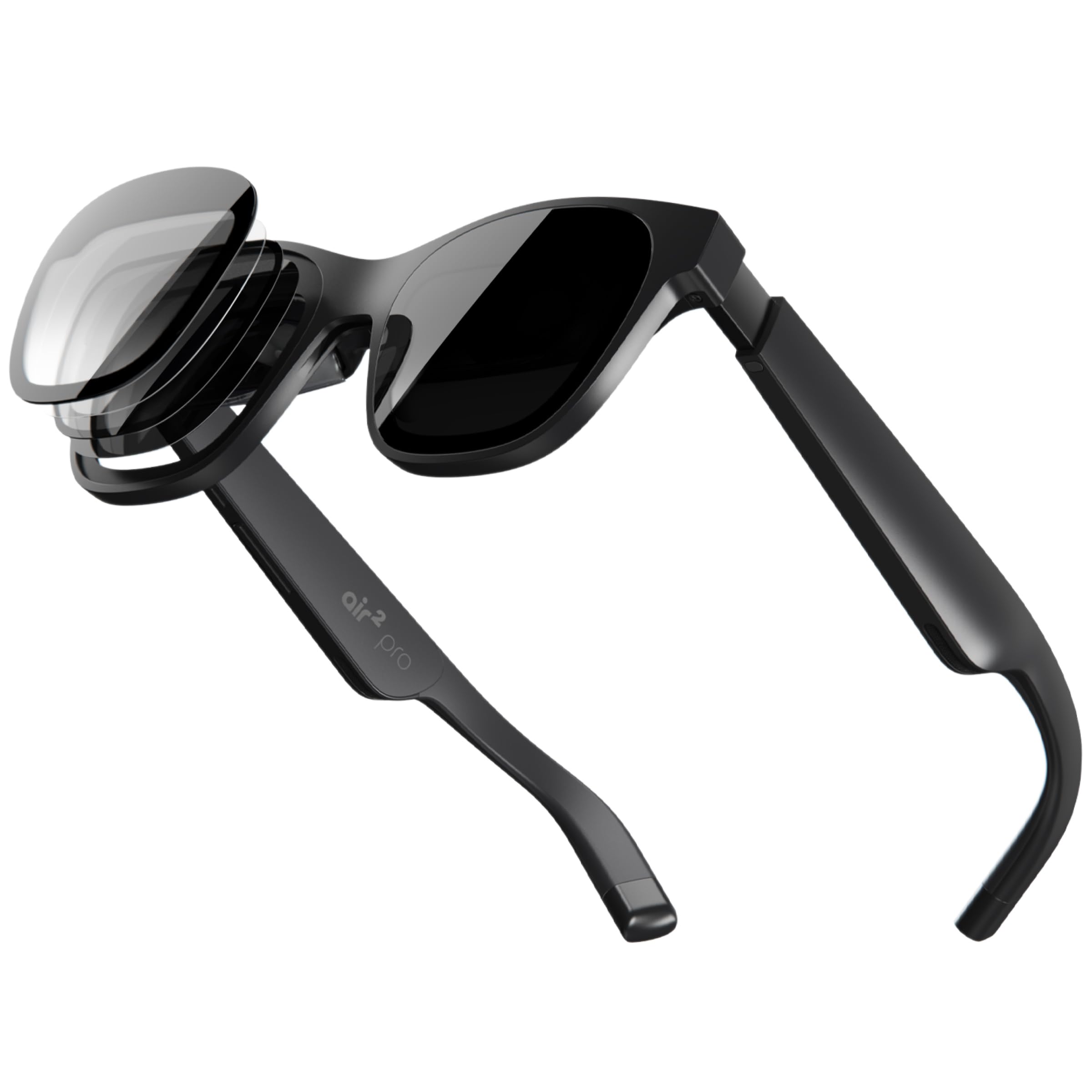
The ROG XREAL R1is the world’s first 240Hz micro-OLED AR gaming glasses, born from a collaboration between ASUS’s Republic of Gamers division and XREAL. Shipping in July 2026 at $849, these glasses promise a 171-inch virtual screen strapped to your face at just 91 grams. That is a bold pitch for competitive gamers who want a portable, private display without the bulk of a VR headset. But at nearly twice the price of the XREAL Air 2 Pro, is the R1 actually worth it?
We have spent time analyzing the specs, comparing the R1 against the current AR glasses landscape, and thinking through who this product actually serves. Here is our honest take.
What Makes the ROG XREAL R1 Different from Other AR Glasses?
The short answer: raw speed. Every AR glasses maker touts display quality, but the R1 is the first to push refresh rate into territory that competitive PC gamers actually care about. Here are the key specs:
- Display: 0.55-inch Sony micro-OLED panel, 1920x1080 per eye
- Refresh rate: 240Hz — the highest of any AR glasses on the market
- Response time: 0.01ms, eliminating motion blur entirely
- Virtual screen size: 171 inches at optimal viewing distance
- Field of view: 57 degrees, wider than most competitors
- Brightness: 700 nits peak, usable in moderately lit rooms
- Weight: 91 grams
- Compatibility: PC, Xbox Series X|S, PlayStation 5 via USB-C
For context, the XREAL Air 2 Pro at $375 tops out at 120Hz with a 46-degree field of view. The R1 doubles the refresh rate and adds 11 degrees of viewing angle. That gap matters for fast-paced shooters and racing games where smoothness and peripheral awareness translate directly to performance.
Who Should Actually Buy the ROG XREAL R1?
Not everyone needs 240Hz on their face. The R1 makes the most sense for three specific groups:
Competitive PC gamers who travel. If you play Valorant, CS2, or Apex Legends on a gaming laptop and hate hotel monitors, the R1 gives you a consistent, high-refresh display wherever you go. The 0.01ms response time matches dedicated esports monitors, and the 91-gram weight means you can game in bed or on a plane without neck strain.
Console gamers in shared spaces.If your TV is in the living room and someone else is watching it, the R1 gives you a private 171-inch screen for your Xbox or PlayStation. The setup is simple — one USB-C cable — and you do not need to rearrange furniture.
Early adopters who want the best AR display available. If you already own the XREAL Air 2 Pro or a Viture One and want to upgrade, the R1 is a genuine step forward in panel quality. The Sony micro-OLED at 700 nits and 240Hz is the best display shipping in any AR glasses right now.
If none of those describe you — if you mostly watch Netflix, browse the web, or want AI features like a camera and voice assistant — the R1 is overkill. You would be better served by the Meta Ray-Ban smart glasses for AI and camera features, or the XREAL Air 2 Pro for affordable media viewing.
How Does the R1 Compare to the XREAL Air 2 Pro and Other Options?
At $849, the R1 sits in a peculiar spot. It costs more than double the XREAL Air 2 Pro ($375) and far more than smart glasses like the Meta Ray-Ban at $379. But it is dramatically cheaper than the Apple Vision Pro or any true mixed-reality headset. The R1 is not trying to replace your phone or overlay digital objects onto the real world. It is a pure display product, and a very good one.
Compared to other display-focused AR glasses, the R1’s advantages are clear. The Viture One XR at $459 offers 120Hz and a 43-degree FOV. The Rokid Max 2 at $399 pushes a slightly wider field of view but stays at 120Hz. No competitor touches 240Hz yet, and the Sony micro-OLED panel gives the R1 better color accuracy and contrast than anything else in this class.
The tradeoff is that the R1 has no camera, no microphone array, and no AI assistant. It does one thing — display — and does it better than anything else. If you want the full smart glasses experience with Meta AI, live translation, and hands-free photos, the Meta Ray-Ban is a completely different product that happens to cost less than half the price.
For a broader look at where AR glasses are heading, including new entrants from Snap, Viture, and others, see our AWE 2026 recap and the full smart glasses category page.
Should You Buy the ROG XREAL R1 at $849?
Yes, ifyou are a serious gamer who values refresh rate and response time, and you specifically want a wearable display rather than a traditional monitor. The R1’s 240Hz Sony micro-OLED panel is genuinely the best in its class, and ASUS’s involvement as a hardware partner gives this more credibility than XREAL going it alone. Preorders opened in May 2026 at Best Buy and the XREAL store, with shipping now underway in July 2026.
No, ifyou are looking for a general-purpose AR device, want AI smart glasses features, or find the XREAL Air 2 Pro’s 120Hz panel good enough for your use case. The $474 price gap between the Air 2 Pro and the R1 is hard to justify for casual users. And if your primary interest is smart glasses with a camera and assistant, the Meta Ray-Ban at $379 is the product you actually want.
Wait, if you want to see real-world reviews first. The R1 is just beginning to ship, and long-term comfort at 91 grams, thermal management during extended gaming sessions, and software compatibility across different USB-C sources are all things that only sustained use will reveal. We will update this post as user feedback comes in.
Related Articles
Frequently Asked Questions
- Is the ROG XREAL R1 worth $849?
- For competitive PC gamers who want a private, high-refresh-rate display they can take anywhere, the R1 offers real value. The 240Hz panel with 0.01ms response time matches or beats many desktop monitors. However, if you mostly play single-player games or want general smart glasses features like a camera or AI assistant, cheaper options like the XREAL Air 2 Pro at $375 make more sense.
- Can you use the ROG XREAL R1 with Xbox and PlayStation?
- Yes. The R1 connects via USB-C DisplayPort Alt Mode and works with Xbox Series X|S and PlayStation 5. You will need a USB-C to HDMI adapter for consoles that only have HDMI output. The glasses also work with PC, Steam Deck, and other USB-C video sources.
- How heavy is the ROG XREAL R1 compared to other AR glasses?
- The ROG XREAL R1 weighs 91 grams, which is heavier than the XREAL Air 2 Pro at 75 grams but lighter than many VR headsets by a wide margin. Most users find sub-100-gram glasses comfortable for sessions of one to two hours. The nose pad design and weight distribution matter as much as raw weight.
- What is the difference between ROG XREAL R1 and XREAL Air 2 Pro?
- The R1 is built specifically for gaming with a 240Hz refresh rate, 0.01ms response time, and 700 nits brightness. The Air 2 Pro runs at 120Hz with electrochromic dimming and costs $375. The R1 also has a larger 57-degree field of view compared to the Air 2 Pro's 46 degrees. If gaming performance is your priority, the R1 is the better buy. For everyday media consumption, the Air 2 Pro is sufficient.
- Where can I buy the ROG XREAL R1?
- Preorders opened in May 2026 at Best Buy and the XREAL online store, with units shipping in July 2026. The retail price is $849. At launch, there are no confirmed discounts or bundle deals, though ASUS typically offers ROG accessory bundles within the first few months.