Whoop Opens $800 Cancer Screening to Everyone: Is Advanced Labs Worth It?
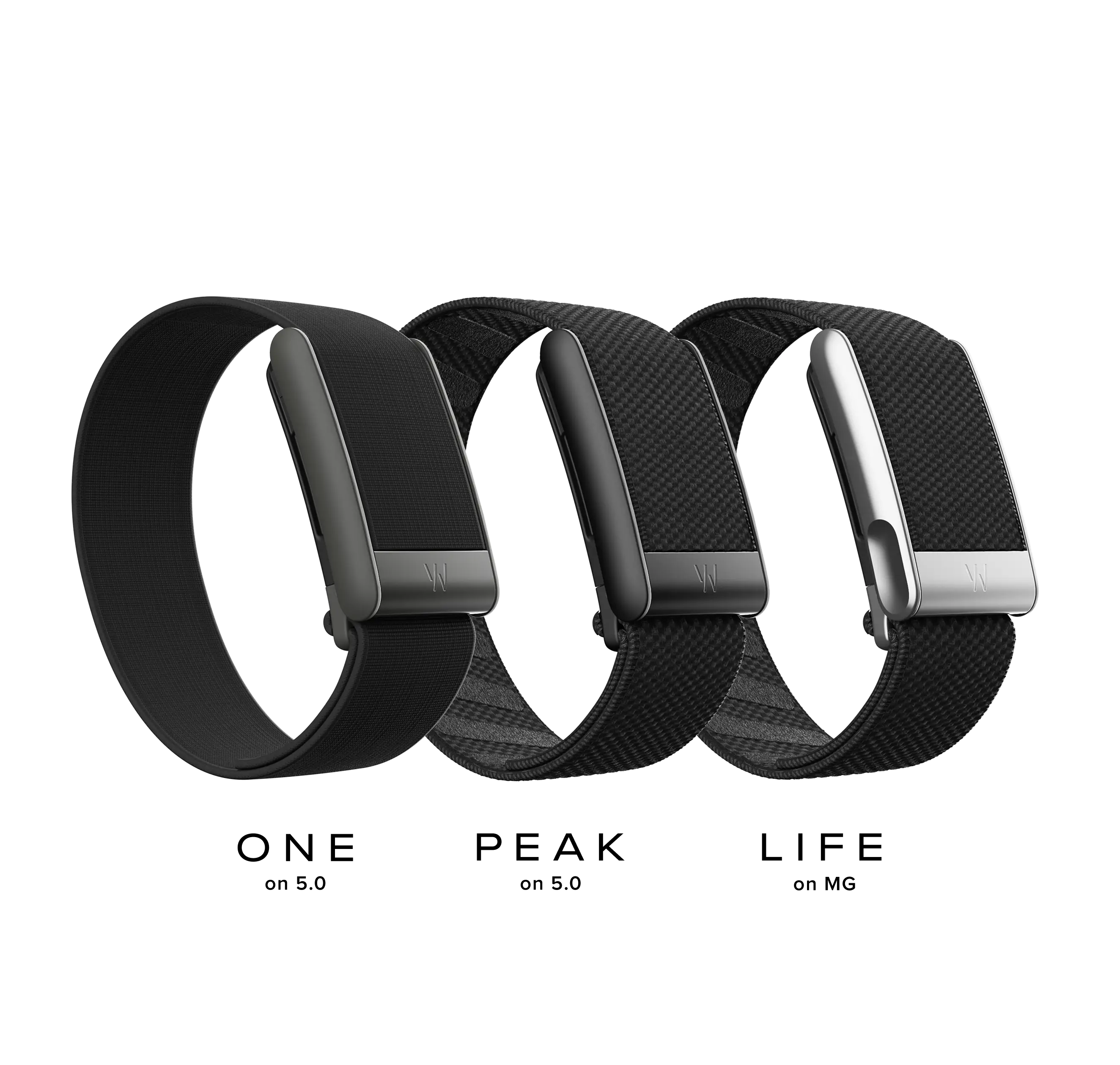
Whoop just made its boldest move yet away from being a wristband company. As of August 18, 2026, Whoop Advanced Labs — the company's blood-testing service that includes the $800 Galleri multi-cancer screening test — is now open to anyone, not just Whoop members. You don't need a band, a subscription, or any prior relationship with Whoop. Download the app, order a panel, and walk into one of nearly 2,000 Quest Diagnostics locations. It's a significant pivot, and it raises a question worth examining: is a wearable company the right place to order cancer screening?
The Service
Whoop Advanced Labs — blood panels from ~$150 and the $800 Galleri multi-cancer screening test, now open to non-members at Quest Diagnostics.
Who It's For
Health-conscious adults who want convenient access to blood biomarkers and multi-cancer early detection without a physician gatekeeper.
Key Consideration
Galleri is a screening tool, not a diagnosis. Positive results require physician follow-up. Compare wearable platforms in our smartwatch and smart ring guides.
What Is Whoop Advanced Labs and How Does It Work?
Whoop Advanced Labs launched for members in late 2025 as a way to pair wrist-based biometrics with blood biomarkers. The idea was simple: your Whoop band tracks heart rate variability, sleep, and strain continuously, but blood work reveals what's happening beneath the surface — hormone levels, metabolic markers, nutrient deficiencies, and now cancer signals.
The process is straightforward. You order a panel through the Whoop app, choose a Quest Diagnostics location near you (there are nearly 2,000 across the US), and show up for a standard blood draw. Results are delivered directly in the Whoop app, along with educational resources that explain what each marker means and how it connects to your overall health picture. Standard blood panels covering testosterone, cortisol, thyroid function, metabolic health, and vitamins start at approximately $150.
The headline offering is the Galleri test by GRAIL, which costs $800 and screens for signals from over 50 cancer types using a single blood draw. This is the same test GRAIL sells directly and through other healthcare channels — Whoop is acting as an ordering and delivery platform, not manufacturing its own assay.
Is the $800 Galleri Cancer Screening Worth It?
The Galleri test analyzes cell-free DNA (cfDNA) in your blood to detect methylation patterns associated with cancer. It can identify signals from cancers that don't have standard screening protocols — pancreatic, liver, kidney, and many others that are typically caught late. In a clinical study, Galleri detected cancer signals with a 0.5% false-positive rate, meaning 99.5% of healthy people get an accurate all-clear. When it does detect a signal, it can predict the organ of origin with roughly 89% accuracy.
The case for it: If you are over 50 or have a family history of cancer, the Galleri test screens for types that colonoscopies, mammograms, and PSA tests do not cover. Many of these cancers are deadliest precisely because they are not caught early. $800 is real money, but early detection can be the difference between stage I treatment and stage IV.
The case against it: At $800, this is not cheap health maintenance. Insurance does not typically cover the Galleri test. It is also a screening tool, not a diagnostic — a positive result means more tests, more anxiety, and potentially unnecessary procedures for false positives (rare but real). And a negative result does not guarantee you are cancer-free; no screening catches everything. For younger, lower-risk adults, the $150 blood panels may be the smarter starting point.
How Does This Compare to Traditional Cancer Screening?
Traditional cancer screening is effective but narrow. Mammograms screen for breast cancer. Colonoscopies screen for colorectal cancer. Low-dose CT scans screen for lung cancer in high-risk smokers. PSA tests screen for prostate cancer. Each test covers exactly one cancer type, and most are recommended only for specific age groups and risk profiles.
The Galleri test's appeal is breadth: one blood draw, 50+ cancer types. It does not replace existing screenings — GRAIL is explicit about this — but it covers the vast majority of cancers that have no standard screening at all. The trade-off is sensitivity: Galleri is better at catching later-stage cancers than early-stage ones, and its detection rates vary by cancer type. It is a complement to your annual checkup, not a substitute for it.
For context, the Oura Ring 4 and Garmin Venu 4 track continuous biometrics like body temperature and heart rate variability that can flag when something is off, but they cannot tell you what. Blood work fills that gap. This is Whoop's argument for combining wrist data with lab results — and it's a compelling one, even if you wear a different device.
Do You Need a Whoop Membership to Use Advanced Labs?
No. This is the biggest change. Before August 18, 2026, Advanced Labs was locked behind a Whoop membership ($30/month or $239/year). Now anyone can create a free Whoop account, order a blood panel or the Galleri test, and get results in the app — no band required, no subscription needed.
This is a deliberate customer-acquisition strategy. Whoop knows that millions of health-conscious people wear an Apple Watch, a Garmin, or an Oura Ring and are never going to switch wristbands. By opening Advanced Labs to non-members, Whoop creates a funnel: get people using the Whoop app for blood work, show them what pairing lab results with continuous wrist data looks like, and some percentage will buy a band. It's a smart play that repositions Whoop as a consumer health platform, not just a wristband company.
If you already wear a Apple Watch Ultra 3 or are tracking your health with a smart ring, this means you can add blood testing to your health stack without changing your hardware setup. That flexibility matters.
What Should Health-Conscious Buyers Do?
If you're over 50 or have cancer risk factors: The $800 Galleri test is worth serious consideration. Talk to your physician first — some doctors are already recommending it as part of annual wellness checks. The convenience of ordering through Whoop and getting drawn at Quest is a genuine advantage over navigating healthcare bureaucracies.
If you're younger and health-curious: Start with the ~$150 standard panels. Checking testosterone, cortisol, thyroid, and metabolic markers gives you an actionable baseline that pairs well with wearable data. You can always add the Galleri test later.
If you're shopping for a health tracker: This move makes Whoop more interesting even if you buy a different wearable. You can use Advanced Labs alongside an Apple Watch Series 11, a Garmin, or an Oura Ring. Browse our smartwatch comparison guide to find the wearable that fits your wrist, and consider Whoop Advanced Labs as a complementary layer regardless of which device you choose.
Related Articles
FAQ
Whoop Advanced Labs & Galleri Cancer Screening: Common Questions
Quick answers about Whoop's blood testing service, the $800 Galleri multi-cancer screening test, and whether it's worth ordering in 2026.
Can you use Whoop Advanced Labs without a Whoop membership?
Yes. As of August 18, 2026, Whoop Advanced Labs is open to everyone regardless of membership status. You can order blood panels and the Galleri cancer screening test through the Whoop app without owning a Whoop band or paying a monthly subscription.
How much does the Galleri multi-cancer screening test cost through Whoop?
The Galleri test costs $800 when ordered through Whoop Advanced Labs. This is the same price GRAIL charges directly. The test screens for signals from over 50 cancer types using a single blood draw at any of nearly 2,000 Quest Diagnostics locations in the US.
Is the Galleri test a cancer diagnosis?
No. The Galleri test is a screening tool, not a diagnostic. It detects cell-free DNA signals associated with cancer but cannot confirm a diagnosis on its own. A positive result requires follow-up with a physician for confirmatory imaging or biopsy. A negative result does not rule out cancer entirely.
What blood panels does Whoop Advanced Labs offer besides cancer screening?
Whoop Advanced Labs offers standard blood panels starting at approximately $150. These cover testosterone, cortisol, thyroid function, metabolic health markers, and vitamin levels. Results are delivered in the Whoop app with educational resources to help you interpret the data.
Where do you get the Whoop Advanced Labs blood draw done?
Blood draws are performed at Quest Diagnostics locations. Whoop partners with nearly 2,000 Quest Diagnostics sites across the United States, so most people in metropolitan areas will have a location within a short drive.