XREAL Aura 2026: What Google's First AR Glasses Mean for Buyers
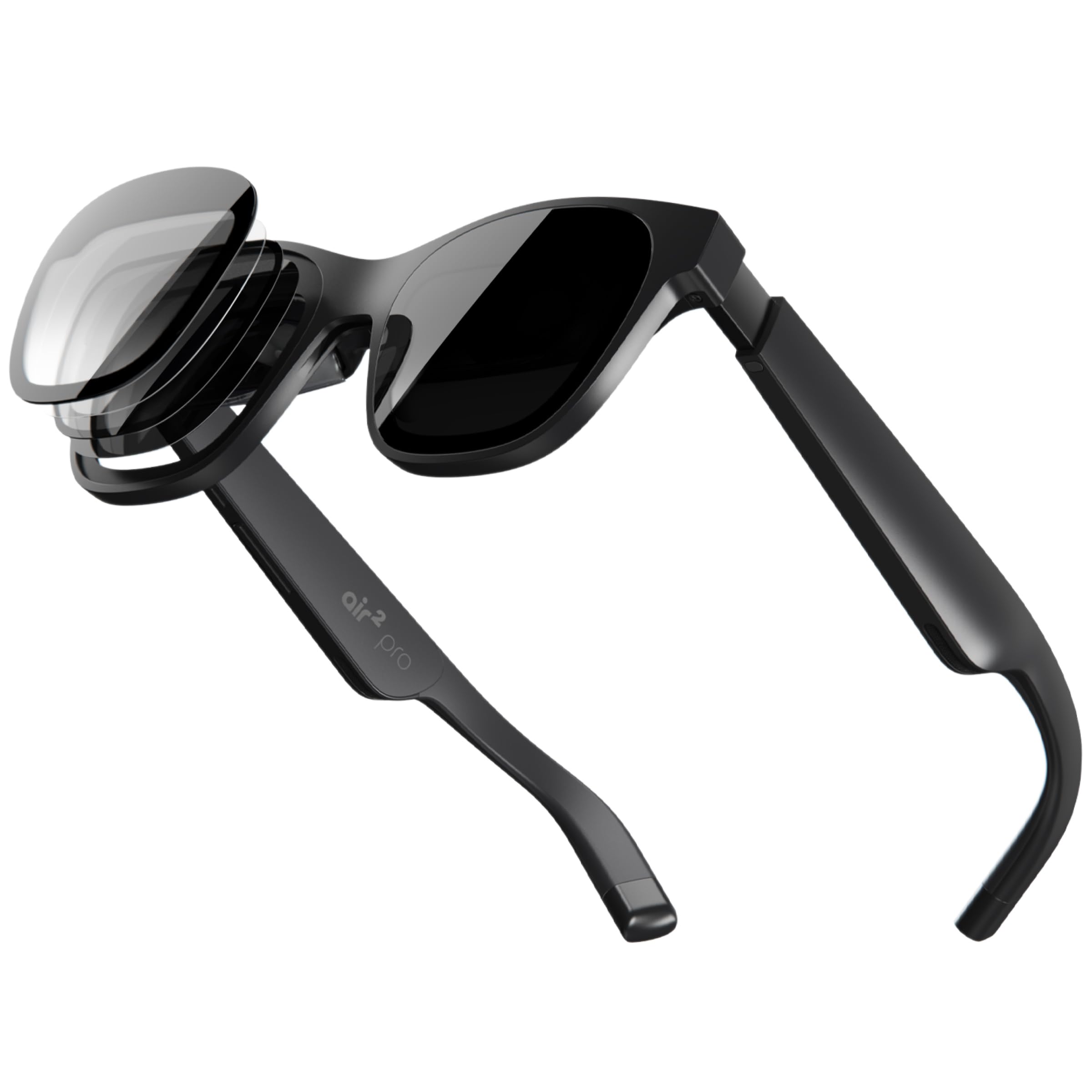
Google just deepened its hardware partnership with XREAL, positioning the XREAL Aura as the first see-through AR glasses running the full immersive version of Android XR. With a 70-degree field of view, hand and eye tracking, and Google Gemini AI built in, the Aura bridges the gap between lightweight smart glasses and full VR headsets. Here's what it means for buyers.
Form Factor
See-through AR glasses + pocket-sized compute puck · Lightweight split-compute design
Key Specs
70° FOV · X1S + Snapdragon XR2+ Gen 2 · 6DoF · Hand & eye tracking · Gemini AI
Launch
Confirmed 2026 · CES Innovation Award winner · Price TBA
What Exactly Is XREAL Aura?
XREAL Aura is a pair of optical see-through AR glasses— you look through real lenses at the real world, and digital content is overlaid on top. Think of it as the form factor Google Glass promised but couldn't deliver: real AR, in real glasses, with real compute power.
The key trick is the split-compute design. The glasses themselves contain the X1S chip for display driving and sensor fusion, but the heavy processing is handled by a Snapdragon XR2+ Gen 2 chip in a tethered puck about the size of a smartphone. The puck slips into your pocket, keeping the glasses light enough to wear for extended periods.
How Does XREAL Aura Compare to Samsung Galaxy XR?
Both devices run Android XR and use the same Qualcomm Snapdragon XR2+ Gen 2 chipset. They support the same apps and gesture controls. The difference is form factor:
| Feature | XREAL Aura | Samsung Galaxy XR |
|---|---|---|
| Form Factor | See-through glasses + puck | Full headset (ski goggle style) |
| FOV | 70° | ~100° (estimated) |
| Display Type | Optical see-through | Video passthrough |
| Tracking | 6DoF + hand + eye | 6DoF + hand + eye |
| Chipset | Snapdragon XR2+ Gen 2 | Snapdragon XR2+ Gen 2 |
| Price | TBA (est. $500–$800) | $1,799 |
The Galaxy XR offers a wider FOV and full immersion — better for gaming, movies, and work with large virtual screens. The Aura is for people who want AR overlays while still seeing the real world — navigation, notifications, real-time translation — without strapping a headset to their face.
How Does XREAL Aura Compare to Existing XREAL Glasses?
If you own the XREAL Air 2 Pro or XREAL One Pro, you know those are display glasses — they project a virtual screen in front of you, but they can't map your environment or anchor content to real-world objects. The Aura is a fundamentally different category: true spatial AR with environmental mapping, hand tracking, and digital content pinned to physical surfaces.
Should You Wait for XREAL Aura or Buy AR Glasses Now?
Wait for Aura if: You specifically want true AR (digital content overlaid on the real world) in a glasses form factor. Nothing else available today matches what Aura promises in this form factor.
Buy now if: You want a virtual display for movies, gaming, or productivity — the XREAL Air 2 Pro at $499 or the Rokid Max at $359 deliver that experience today. For full mixed reality, the Samsung Galaxy XR at $1,487 on eBay is the strongest option right now.
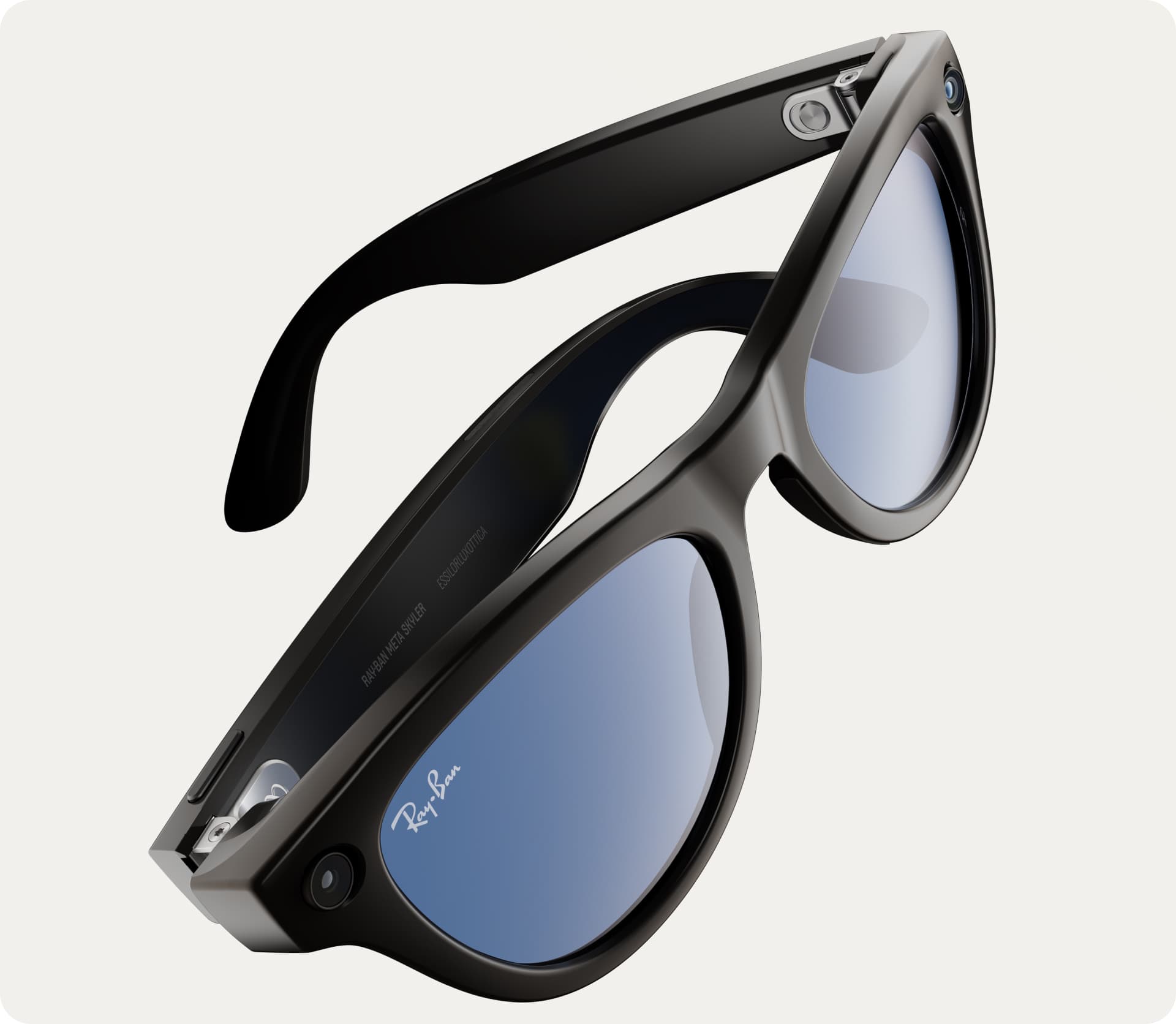
For smart glasses focused on AI and camera rather than AR displays, the Samsung Galaxy AI Glasses (July 2026) and Ray-Ban Meta are better fits. Explore all options at our smart glasses category page.
Related Articles
FAQ
XREAL Aura 2026: Common Questions
Quick answers to the most searched questions about XREAL's upcoming Android XR AR glasses.
When does XREAL Aura launch and how much will it cost?
XREAL has confirmed a 2026 launch window but hasn't announced exact pricing or a release date. Given the Snapdragon XR2+ Gen 2 chipset and split-compute design, expect pricing in the $500–$800 range — between XREAL's existing display glasses and the Samsung Galaxy XR headset.
How is XREAL Aura different from XREAL Air 2 Pro or One Pro?
XREAL Air 2 Pro and One Pro are display glasses — they project a virtual screen in front of you but can't map your environment or overlay AR content on the real world. XREAL Aura is true AR with 6DoF tracking, hand tracking, eye tracking, and environmental mapping via Android XR.
Does XREAL Aura work wirelessly or does it need a cable?
XREAL Aura uses a tethered split-compute design. The glasses connect via cable to a pocket-sized compute puck running the Snapdragon XR2+ Gen 2 processor. This keeps the glasses lightweight while providing the processing power needed for full AR experiences.
Can I use XREAL Aura with an iPhone?
XREAL hasn't confirmed iPhone compatibility for Aura. Since it runs Android XR, it's likely optimized for Android phones and the Aura compute puck. XREAL's existing Air 2 Pro works with both iPhone and Android for display mirroring, but Aura's full AR features may be Android-only.
What is the difference between XREAL Aura and Samsung Galaxy XR?
Samsung Galaxy XR is a full headset (like Apple Vision Pro) that covers your eyes completely. XREAL Aura is a pair of see-through glasses — you can see the real world through them with AR content overlaid. Both run Android XR and the same Qualcomm chipset, but Aura is far lighter and more portable.