Apple Publishes 74-Page Controller Specification for Vision Pro — Two Years After Saying It Didn't Need Them
Apple has published a detailed 74-page technical specification for building third-party motion controllers for Vision Pro, covering IR LED patterns, IMU requirements, Bluetooth protocols, and reference hardware layouts. The reversal comes two years after Apple launched the headset insisting hands and eyes were sufficient input. Controllers will work via visionOS 27 this fall, tracking at up to 120Hz.
Featured Product
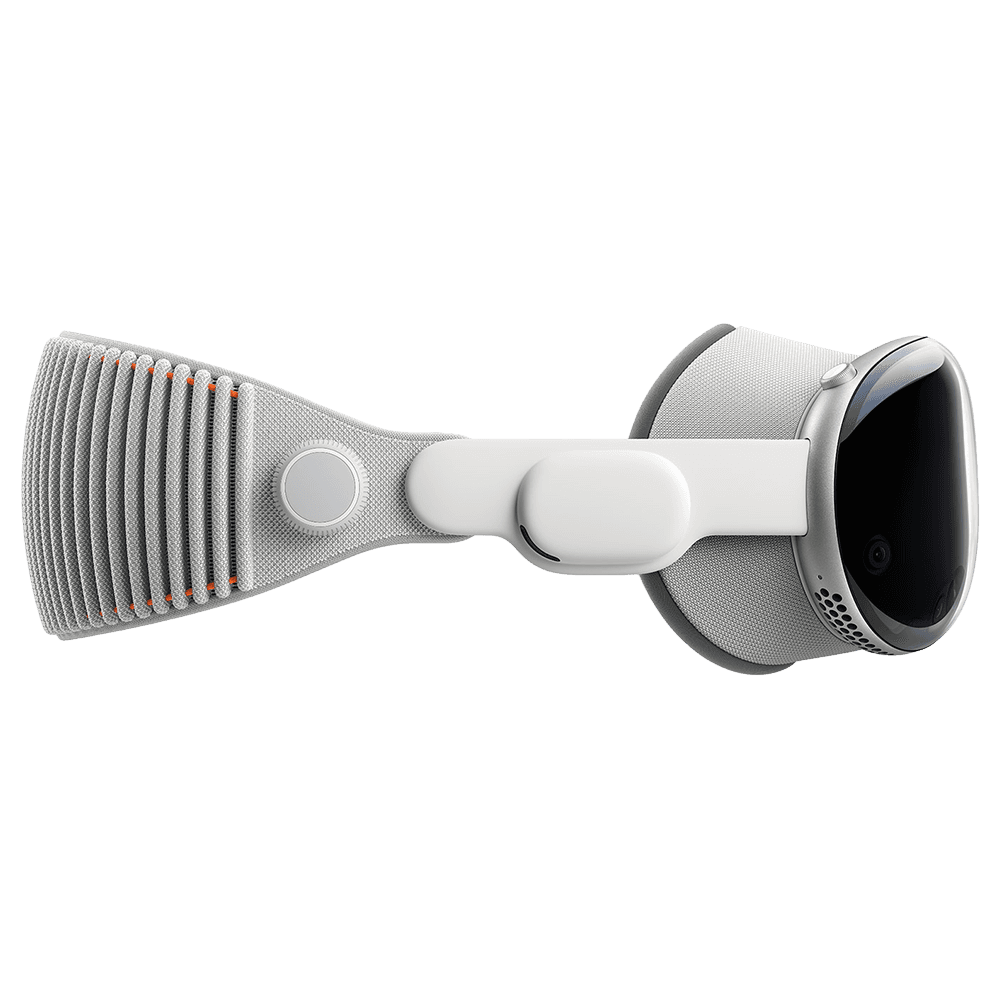
Apple Vision Pro
The spatial computing pioneer — Apple's mixed reality headset with eye and hand tracking, Personas, and a revolutionary interface.
Starting At
$2399.99
Apple has published a 74-page technical specification for building third-party motion controllers for the Vision Pro, a significant reversal from the company's launch-era insistence that the headset required only hands and eyes for input. The spec is part of Apple's updated Accessory Design Guidelines and introduces a new section called Spatial Accessories.
What the Spec Covers
The document is exhaustively detailed. It defines exactly how third-party controllers must be built to work with Vision Pro:
- IR LED constellations: Specific wavelength and radiance requirements for each LED, so the headset's cameras can track the controller's position
- IMU chip: An on-board inertial measurement unit streams positional data to the headset via Bluetooth
- Tracking rate: Up to the headset's display rate — nominally 90Hz, potentially 120Hz
- Input support: Buttons, thumbsticks, and haptic feedback are supported but listed as optional
- Reference hardware: A full example logic board layout is included, and Apple is partnering with DFRobot and MIKROE to create off-the-shelf dev kits available later this year
Why This Matters
When Apple launched Vision Pro in early 2024, it positioned the headset as a hands-and-eyes-only device — a deliberate contrast to Meta's controller-dependent Quest lineup. Two years later, the company has published a specification so detailed it includes logic board schematics. The shift acknowledges what VR developers and gamers have argued since launch: hand tracking is excellent for casual use and productivity, but precision gaming and creative tools need physical controllers.
Timeline
visionOS 27, which enables controller support, ships this fall. The DFRobot/MIKROE dev kits will be available around the same time, meaning third-party controllers could appear by holiday 2026 or early 2027.
What This Means for Buyers
For current Vision Pro owners (from $2,000 refurbished), this is good news — controller support will significantly expand the headset's gaming and creative potential at no hardware cost. For buyers on the fence between Vision Pro and the Meta Quest 3 ($597), it narrows one of Meta's key advantages: controller-based gaming. Compare all headsets in our AR/VR headset guide.
Related Products
Go deeper on Apple Vision Pro
Move from this news update into the key money pages so you can compare pricing, read the full review, and see similar products in context.
Keep researching this story
Related News
Oura's 4x Oversubscribed IPO Validates Smart Ring Category: Eli Lilly, Dragoneer Back $2.2B Offering
2 min read
comparisonBloomberg's Gurman: Meta VR Glasses Are 'Exactly What the Apple Vision Pro Should Have Been'
3 min read
rumorApple Reportedly Testing Four Vision Pro Successor Prototypes Including External Compute Puck Design
3 min read