Oura Ring Faces Class Action Lawsuit Over Sleep Tracking Accuracy — Plaintiffs Allege 53% Accuracy vs. Advertised 95%
A proposed class action lawsuit filed August 21 in U.S. District Court in California accuses Oura of misleading consumers about its sleep staging accuracy. The complaint, filed by Clarkson Law Firm on behalf of a California buyer, alleges that Oura marketed 95% accuracy relative to clinical sleep labs while a 2025 Nature study found the actual figure was 53.18%. The lawsuit seeks refunds and an injunction against further misleading claims.
Featured Product
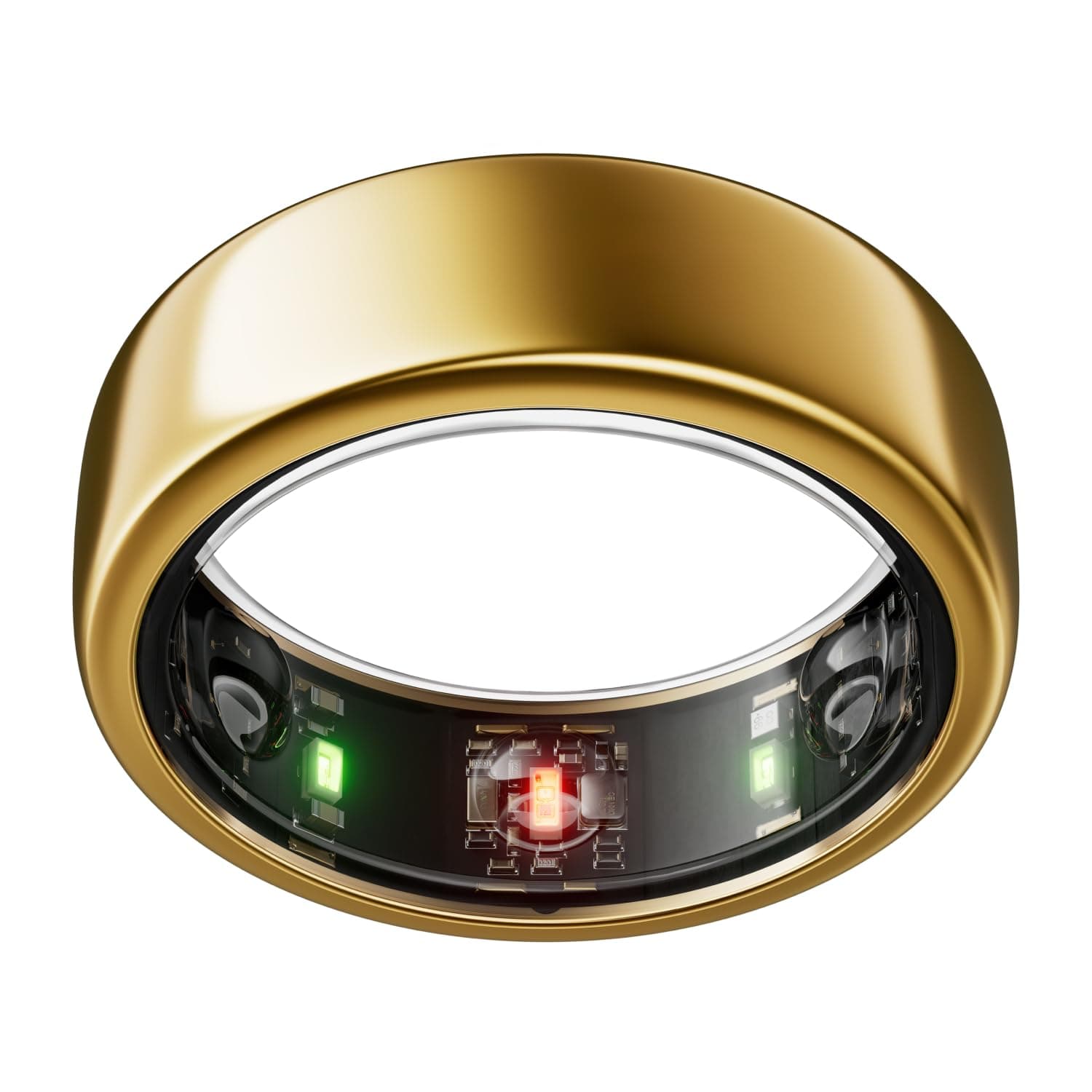
Oura Ring Gen 4
The smart ring that started it all — best-in-class sleep tracking, readiness scores, and health insights in a sleek titanium design.
Starting At
$155.98
A proposed class action lawsuit filed on August 21 in U.S. District Court in California accuses Oura of misleading consumers about the accuracy of its sleep tracking features. The complaint was brought by San Francisco-based Clarkson Law Firm on behalf of Madison Surber, a California resident who paid $513.68 for an Oura ring in 2025.
What the Lawsuit Claims
- Advertised accuracy: Oura marketed its rings as identifying sleep stages with 95% accuracy relative to clinical polysomnography (sleep lab) standards
- Actual accuracy: A peer-reviewed 2025 Nature study found the Oura Ring correctly identified sleep stages 53.18% of the time — not far from a coin flip
- Specific errors: The ring underestimated light sleep by 13.84 minutes and deep sleep by 5.98 minutes, while overestimating REM sleep by 31.56 minutes per night
- Core issue: Oura rings lack the physiological sensors (EEG for brain waves, EOG for eye movements) used in clinical sleep studies, instead relying on secondary markers processed by AI
What Oura Says
Oura has not yet responded publicly to the lawsuit. The company has previously defended its sleep tracking as "the most validated consumer wearable" for sleep monitoring. The lawsuit comes at a sensitive time — Oura is reportedly preparing for an IPO after its latest funding round valued the company at $5.2 billion.
What This Means for Smart Ring Buyers
The lawsuit highlights a broader issue across all consumer wearables: no wrist-worn or finger-worn device can match clinical sleep lab accuracy. Devices from Samsung, Ultrahuman, and RingConn face similar fundamental sensor limitations. For buyers currently choosing between smart rings, the key differentiator remains whether you prefer Oura{"'"}s software ecosystem ($349 + $5.99/month) or a subscription-free alternative like Ultrahuman ($479) or RingConn ($299). Compare all options in our smart ring guide.
Related Products
Go deeper on Oura Ring Gen 4
Move from this news update into the key money pages so you can compare pricing, read the full review, and see similar products in context.
Keep researching this story
Related News
Oura Partners with Xella Health: Smart Ring Data Meets AI-Powered Biomarker Testing for Women's Health
3 min read
dealAmazon Prime Big Deal Days October 6–7: Up to 50% Off Wearables Including Apple Watch, AirPods, and Garmin
3 min read
updateUniversity of Michigan Study: Many Smartwatch Health Readings Are Algorithmic Estimates, Not Direct Measurements
3 min read