XREAL Project Aura Hands-On at Google I/O: 70° OLED Display, Hand Tracking, Launching 2026
Attendees at Google I/O 2026 went hands-on with XREAL's Project Aura — the first wired Android XR display glasses. Features include a 70-degree OLED field of view, three cameras for hand tracking, and a tethered processing puck with trackpad and fingerprint sensor.
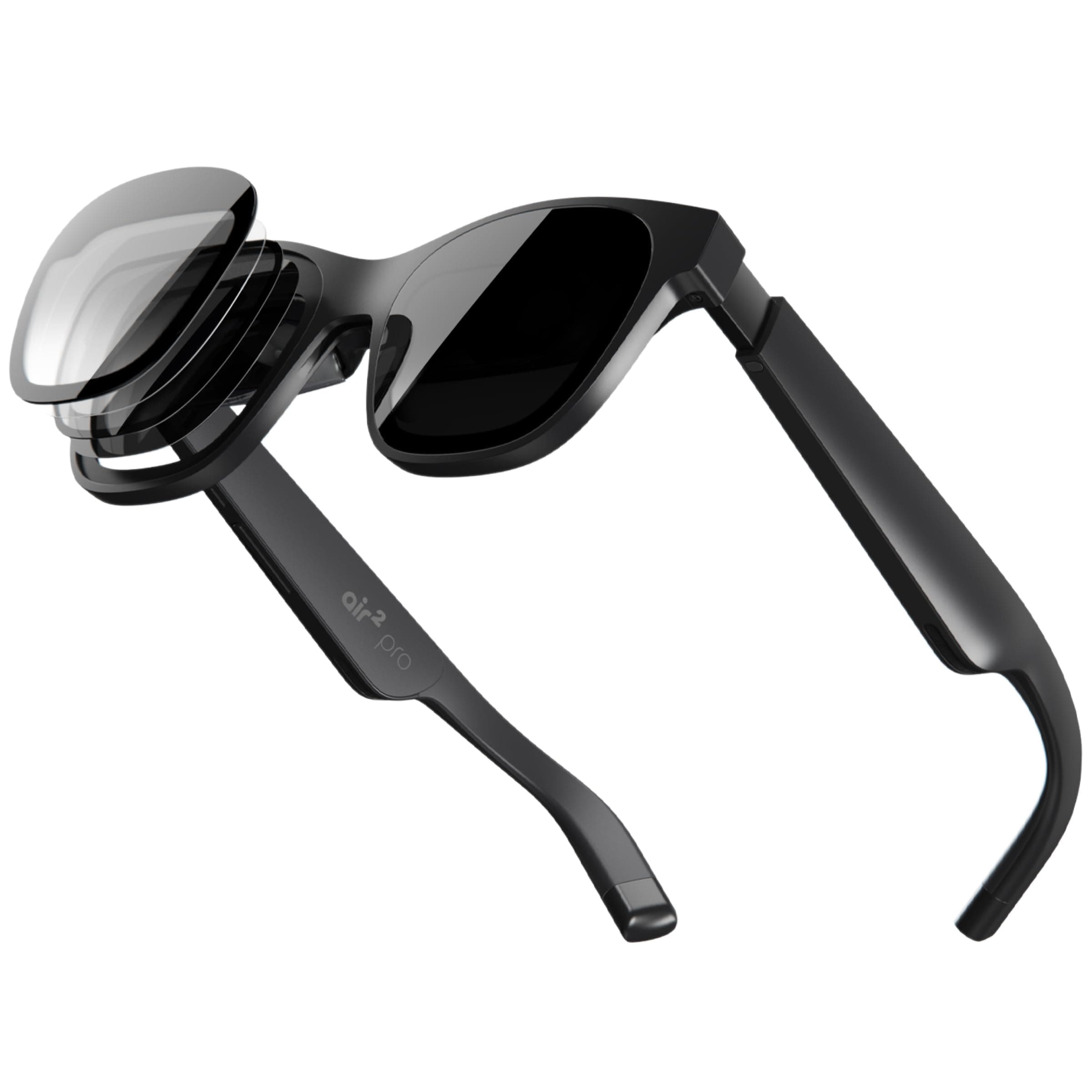
Featured Product
XREAL Air 2 Pro
Premium AR display glasses with 3-level electrochromic dimming for the best viewing experience in any environment.
Starting At
$189
XREAL's Project Aura was on display at Google I/O 2026, giving attendees the first hands-on experience with what XREAL calls the first wired Android XR display glasses. The hardware is a significant step beyond XREAL's existing Air line.
Display and Optics
Project Aura features an OLED display with a 70-degree field of view — a meaningful jump over the XREAL Air 2 Pro's 46° and even the One Pro's 57°. Because the display uses optical see-through technology, users look through physical glass at the real world rather than watching a camera passthrough feed like VR headsets.
Three-Camera System
- Two side cameras: For hand tracking and spatial awareness
- One center camera: For photos, video capture, and Gemini visual understanding
Hand gesture support means users can interact with floating UI elements without a controller — pinch, swipe, and point gestures were demonstrated at the I/O booth.
Tethered Processing Puck
Project Aura relies on a tethered connection to a separate processing puck rather than an on-board chip. The puck includes a built-in trackpad and fingerprint sensor, runs a Snapdragon processor, and handles all the heavy computation. This keeps the glasses lightweight at the cost of carrying an extra device.
Launch Timeline and Pricing
XREAL confirmed Project Aura will ship before the end of 2026, with developer early access starting sooner. Pricing hasn't been announced, but analysts expect it to land under $1,000.
What This Means for Buyers
Project Aura sits between the XREAL One Pro at $599 (media-focused, no AR) and the Samsung Galaxy XR at $1,799 (full VR headset). If you want true AR display glasses that run Android XR apps, Aura could be the sweet spot — but the tethered puck adds complexity. The Ray-Ban Meta at $379 remains the easiest entry into smart glasses if you don't need a display. Browse all options in our smart glasses guide.
Related Products
Go deeper on XREAL Air 2 Pro
Move from this news update into the key money pages so you can compare pricing, read the full review, and see similar products in context.
Keep researching this story
Related News
Samsung Official Confirms Galaxy Glasses Launch in November 2026: Price, Specs, and What to Expect
3 min read
updateSnap Specs AR Glasses Begin Shipping to First Pre-Order Customers in October
2 min read
updateOura's 4x Oversubscribed IPO Validates Smart Ring Category: Eli Lilly, Dragoneer Back $2.2B Offering
2 min read