Amazon's Jayhawk AR Glasses: What Smart Glasses Buyers Should Know Before Buying in 2026
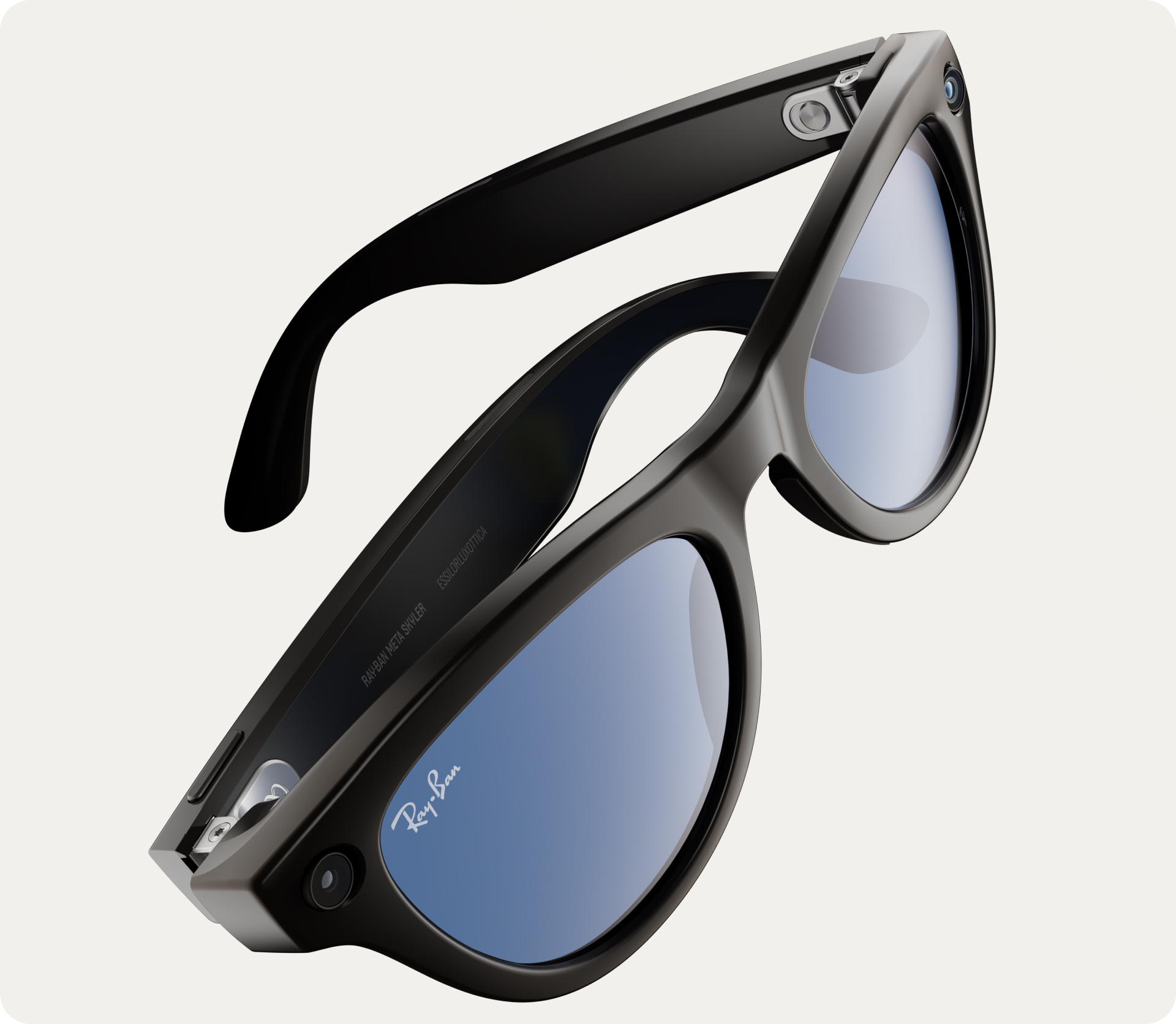
Amazon is quietly building its first pair of consumer AR glasses. Codenamed Jayhawk, the glasses will pack microphones, speakers, a camera, and a full-color display into a single lens — making them one of the few smart glasses that combines both a camera and an AR display. Here's what we know, how Jayhawk stacks up against the Meta Ray-Ban and Samsung Galaxy Glasses, and whether you should wait or buy now.
The News
Amazon is developing consumer AR glasses codenamed Jayhawk with a mono display powered by Meta-Bounds technology. Launch is targeted for late 2026 or early 2027.
Our Verdict
Promising hardware, but too far out. Don't wait for an unconfirmed launch date when proven smart glasses are available right now.
Best Buy Now
Meta Ray-Ban at $379 or wait three weeks for Samsung Galaxy Glasses.
What Is Amazon's Project Jayhawk?
Project Jayhawk is Amazon's codename for a consumer-facing pair of AR smart glasses. Unlike the Echo Frames — Amazon's existing audio-only smart glasses — Jayhawk takes a significant step forward by including a full-color AR display in one lens (a mono-display design). The glasses also feature microphones, speakers, and a camera, making them a more complete smart glasses package than anything Amazon has shipped before.
The display technology comes from Meta-Bounds, a Chinese AR optics firm that specializes in lightweight waveguide displays. By partnering with Meta-Bounds rather than developing display tech in-house, Amazon is accelerating its timeline and keeping costs down. The mono-display approach — showing information in only one eye — is a deliberate tradeoff: it keeps the glasses lighter and more power-efficient than dual-display AR headsets while still enabling visual notifications, navigation, and AI-generated content overlays.
Why Is Amazon Building Two Sets of Smart Glasses?
Amazon isn't just building Jayhawk. The company is simultaneously developing a separate model codenamed Amelia, designed specifically for its delivery drivers. Amazon plans to produce 100,000 Amelia units by Q2 2026, making it the first of the two products to ship.
This dual strategy makes sense for Amazon. Amelia gives the company a controlled environment to test AR glasses hardware at scale — delivery drivers follow predictable workflows where AR navigation and package-scanning overlays provide clear value. The lessons learned from Amelia's hardware, software, and battery performance will directly inform Jayhawk's consumer launch later. It's a lower-risk path than going straight to consumers with unproven AR technology.
For buyers, the takeaway is clear: Amazon is serious about smart glasses. This isn't a side project. The company is investing in two separate product lines simultaneously, which signals long-term commitment to the category.
How Does Jayhawk Compare to Meta Ray-Ban and Samsung Galaxy Glasses?
The smart glasses landscape in 2026 is crowded, and Jayhawk enters a market with strong established players. Here's how Amazon's approach differs:
- Meta Ray-Ban ($379): The current market leader has a camera, speakers, microphones, and Meta AI — but no display. Everything is audio-based. Jayhawk's mono display gives it a meaningful advantage for visual information like navigation, notifications, and translations. However, Meta Ray-Ban is shipping now, has a proven ecosystem, and the Ray-Ban brand carries real weight. Check current price.
- Samsung Galaxy Glasses ($379–$499): Launching later in July 2026, Samsung's entry also focuses on camera, audio, and Google Gemini AI — but like Meta Ray-Ban, it ships without a display. Samsung is betting on AI software and its existing ecosystem rather than AR visuals.
- Even Realities G1: This is Jayhawk's closest competitor in concept — the G1 features a micro-LED display for text notifications and navigation. However, the G1 lacks a camera, which limits its AI capabilities. Jayhawk's combination of camera plus display is unique in the market.
Jayhawk's positioning is genuinely interesting: it would be the first consumer smart glasses to combine a camera, full AI assistant, and AR display in a single pair of frames. That's a compelling feature set — if Amazon can deliver on it at a competitive price point.
Should You Wait for Amazon AR Glasses or Buy Now?
Our recommendation: don't wait.Here's why:
- The timeline is uncertain. Late 2026 or early 2027 is a target, not a commitment. Amazon has not announced Jayhawk publicly, and consumer hardware timelines frequently slip — especially for first-generation AR products.
- No confirmed pricing. We don't know what Jayhawk will cost. If Amazon prices it above $400 to cover the AR display, it enters a competitive bracket against proven products from Meta and Samsung.
- First-generation risk. Amazon's Echo Frames have been competent but never category-leading. Jayhawk will be Amazon's first product with AR display technology, and first-gen hardware often has rough edges.
- Excellent options exist today. The Meta Ray-Ban at $379 is a proven, polished product. Samsung Galaxy Glasses arrive in three weeks with Google Gemini AI. If you want a display now, the Even Realities G1 or XREAL Air 2 Pro deliver AR visuals today.
Jayhawk is worth watching — the camera-plus-display combination could be a genuine leap forward for smart glasses. But watching and waiting are different things. Buy a great pair of smart glasses now, and upgrade when Amazon proves Jayhawk delivers on its promise. Browse all current options in our smart glasses guide.
Related Articles
Amazon Jayhawk AR Glasses FAQ
Common questions about Amazon's Jayhawk AR glasses for buyers
Quick answers to help you decide whether to wait for Amazon AR glasses or buy smart glasses now.
What are Amazon's Jayhawk AR glasses?
Jayhawk is Amazon's codename for consumer AR glasses currently in development. They feature microphones, speakers, a camera, and a full-color mono display in one lens, using AR display technology from Chinese firm Meta-Bounds. They represent Amazon's first attempt at consumer smart glasses with a built-in screen.
When will Amazon Jayhawk glasses be available?
Amazon is targeting a consumer launch for Jayhawk in late 2026 or early 2027. No official release date has been confirmed. Amazon is also building a separate model called Amelia for delivery drivers, with 100,000 units planned for Q2 2026.
How do Amazon Jayhawk glasses compare to Meta Ray-Ban?
The key difference is that Jayhawk will have a full-color AR display in one lens, while Meta Ray-Ban smart glasses have no display at all. Both feature cameras, speakers, and microphones. Meta Ray-Ban is available now at $379 with a proven track record, while Jayhawk is still in development with no confirmed price.
Should I wait for Amazon AR glasses or buy smart glasses now?
We recommend buying now rather than waiting. Jayhawk is at least 6-12 months away with no guaranteed launch date. The Meta Ray-Ban at $379 is the proven market leader, and Samsung Galaxy Glasses arrive in late July 2026. By the time Amazon ships, next-generation models from Meta and Samsung will likely be on the horizon.