Meta Glasses Review Roundup: Are the $299 Adventurer and Fury Worth Buying After 3 Days of Testing?
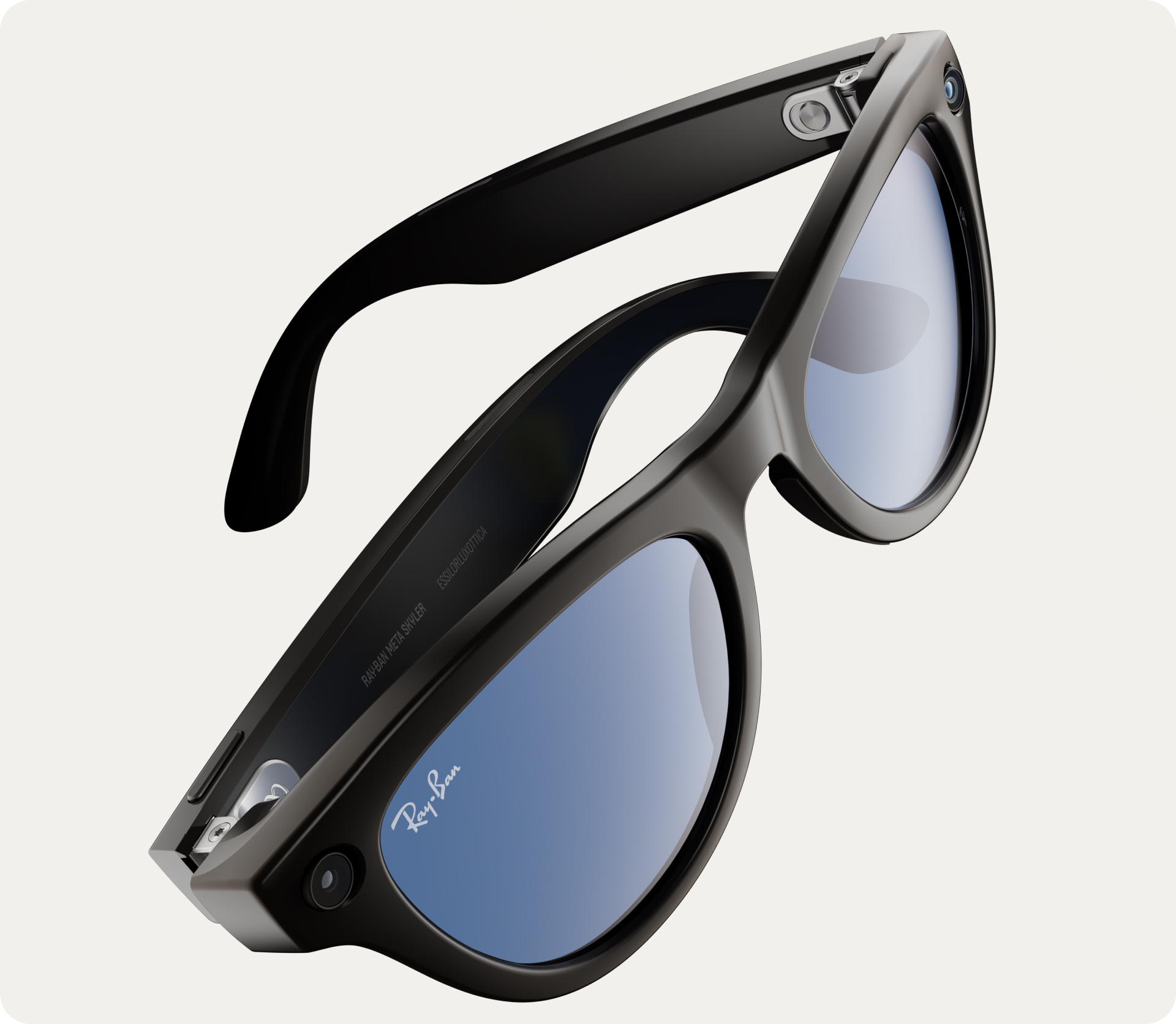
Meta launched its own-brand smart glasses on June 23 — the Adventurer and Fury at $299, plus the Kylie Jenner Starfire at $399. Three days later, the first in-depth reviews are landing from Engadget, TechCrunch, CNN, and Wareable. The consensus? These are the best-value AI smart glasses you can buy today, with one persistent caveat that every reviewer flagged.
Best Value
Meta Adventurer at $299 — same camera and AI as Ray-Ban Meta, 26 style combos, adjustable nose pads.
Most Stylish
Kylie Starfire at $399 — reviewers called it "the most non-smart-glasses-looking smart glasses ever."
Main Caveat
The Meta brand lacks Ray-Ban's fashion credibility. Without the logo, they "look like smart glasses."
What Did Engadget Think of Meta Glasses?
Engadget's hands-on review praised the physical design improvements. The three-way adjustable nose pads on all models were "easy to click into place but sturdy enough to hold" — a significant upgrade over the Ray-Ban Meta, which has limited fit adjustment. Testing different nose pad angles helped find the ideal position for each face shape, something Ray-Ban's fixed bridge doesn't allow.
The Kylie Starfire drew particular attention. Engadget called it "the most non-smart-glasses-looking smart glasses ever made," noting the slim, trendy oval cat-eye shape with its distinctive gem accent on the left lens. For buyers who've avoided smart glasses because they look too techy, the Starfire might change the equation — though at $399, it costs $100 more than the Adventurer and Fury.
What Did TechCrunch and CNN Find?
TechCrunch called Meta Glasses "the most accessible AI glasses yet" at $299, emphasizing that the lower price point removes the biggest barrier to smart glasses adoption. The review highlighted Muse Spark — Meta's proprietary AI model built for wearable inference — as a meaningful upgrade over previous Meta AI. Contextual answers were noticeably faster and more accurate, and visual understanding (asking the glasses about what you're looking at) felt more natural.
CNN put the AI features to practical tests. During a press event, the glasses accurately estimated calories in a bowl of strawberries, translated an Arabic sign to English in real time, and recommended nearby museums — all hands-free. The live translation capability, now supporting 14 additional languages including Japanese, Mandarin, Hindi, and Korean, was called out as one of the most practically useful features for travelers.
What Is the Consistent Caveat Reviewers Flagged?
Every reviewer flagged the same trade-off: the Meta brand doesn't carry the fashion weight that Ray-Ban does. Without the iconic Ray-Ban logo, the glasses "look like smart glasses" — a subtle but important distinction for everyday wear. The Fury, with its thicker, bolder frame, drew the most polarized reactions: some reviewers found it bold and distinctive, while others felt it leaned too far into the "tech gadget" aesthetic.
Wareable noted that while the 26 style-and-lens combinations give Meta Glasses far more variety than the single Wayfarer silhouette, variety doesn't equal cachet. For many buyers, the question isn't "do these glasses work well?" (they do) but "will people notice these are smart glasses?" — and the answer, without the Ray-Ban shield, is more likely yes. Our full comparison guide breaks down the style vs. value trade-off in detail.
Should You Buy Meta Glasses, Ray-Ban Meta, or Wait?
Buy Meta Adventurer ($299) if you want the best-value AI smart glasses on the market right now. You get the same 12MP camera, 3K video, Meta AI with Muse Spark, and 8-hour battery as the Ray-Ban Meta at $379 for $80 less. The adjustable nose pads are genuinely better than Ray-Ban's fixed bridge. Reviewers unanimously recommend this as the smart glasses entry point for first-time buyers.
Buy Ray-Ban Meta ($379) if fashion credibility matters to you as much as features. The Wayfarer is one of the most universally flattering frame designs ever made, and the Ray-Ban brand carries social currency that Meta's own brand doesn't. The $80 premium is modest for what you get in styling.
Wait if you want Google's AI ecosystem. Samsung Galaxy Glasses launch at Unpacked on July 22 — just 26 days away — with Android XR, Gemini AI, and Google integration. Pricing is expected between $379–$499. If you're deep in the Google/Samsung ecosystem, waiting four weeks may be worthwhile. Compare all smart glasses in our smart glasses guide or use the comparison tool.
Related Articles
Meta Glasses FAQ
Common questions about Meta Glasses reviews and buying
Quick answers based on the first wave of hands-on reviews from Engadget, TechCrunch, CNN, and Wareable.
What do reviewers think of Meta Glasses after 3 days?
The consensus is positive: Engadget praised the adjustable nose pads and frame variety, TechCrunch called them 'the most accessible AI glasses yet,' and CNN confirmed live translation and visual AI features work well. The consistent caveat is that Meta Glasses lack the fashion credibility of Ray-Ban-branded frames.
Is the Meta Adventurer or Fury better?
The Meta Adventurer ($299) is the safer pick — it has a clean rectangular shape that works with most face shapes, similar to the classic Wayfarer. The Meta Fury ($299) is bolder and thicker, making a deliberate style statement. Both share identical specs. Most reviewers recommended the Adventurer for first-time buyers.
Is the Kylie Jenner Starfire worth the extra $100?
The Starfire at $399 features a slim oval frame designed by Kylie Jenner and includes her voice as the Meta AI assistant. Reviewers noted it's the 'most non-smart-glasses-looking' option, but the $100 premium over Adventurer/Fury is purely for the frame design and Kylie voice — the tech inside is identical.
Should I buy Meta Glasses or wait for Samsung Galaxy Glasses?
Meta Glasses are available now at $299 with proven AI features. Samsung Galaxy Glasses ('Jinju') are expected at Unpacked on July 22, priced between $379-$499, running Android XR. If you want smart glasses today, Meta Glasses offer the best value. If you want Google's AI ecosystem, waiting four weeks for Samsung may be worth it.
Do Meta Glasses have a display?
No. Meta Glasses (Adventurer, Fury, Starfire) are camera-and-audio smart glasses like Ray-Ban Meta — no in-lens display. The Meta Ray-Ban Display ($799) is a separate product with a 600x600 pixel screen. Samsung Galaxy Glasses will also launch without a display; Samsung's display model ('Haean') is expected in 2027.