Meta Ray-Ban Gen 3 Scriber and Blazer: Should You Buy Gen 2 Now or Wait?
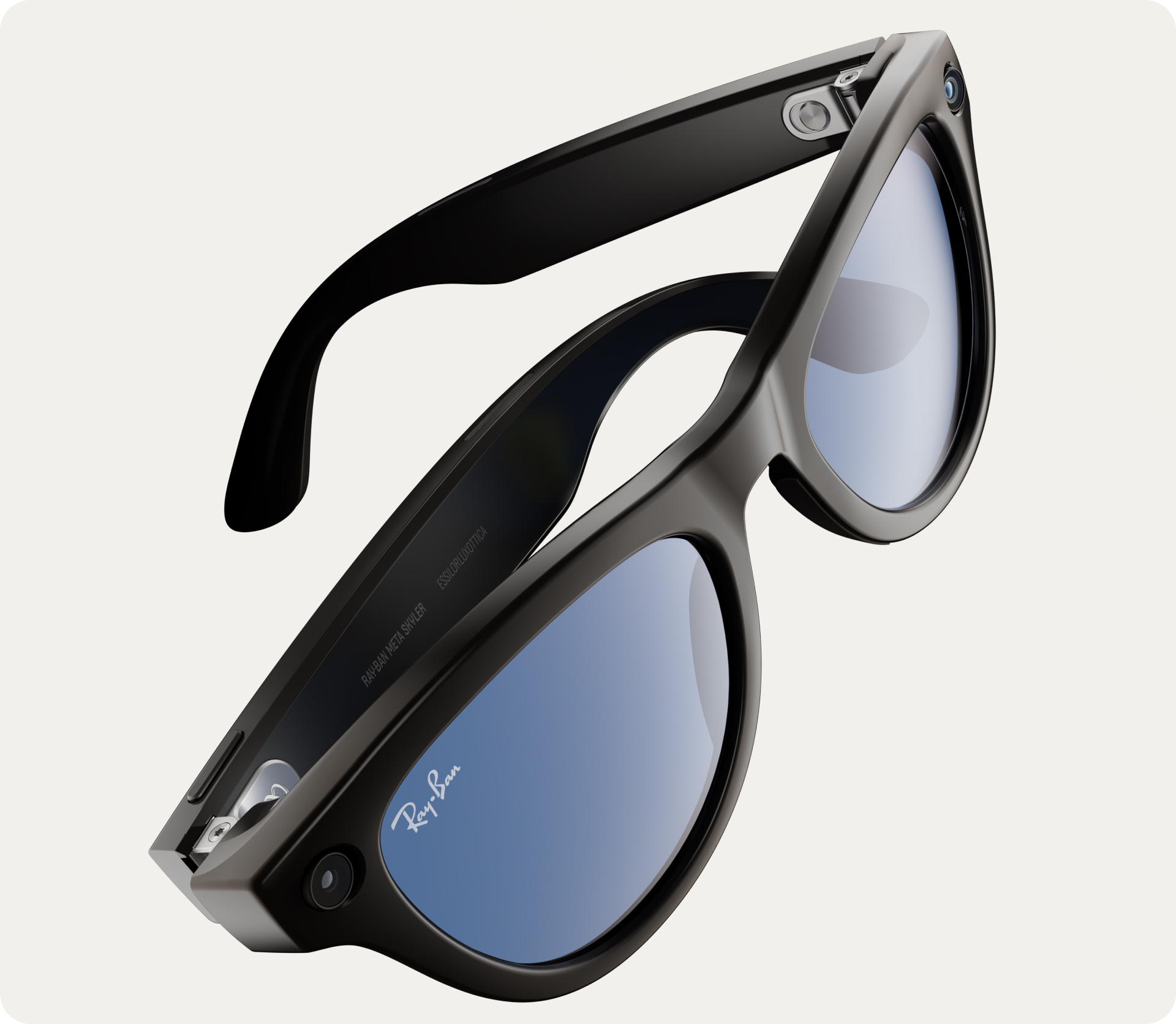
Meta has quietly filed two new Ray-Ban smart glasses models with the FCC — codenamed Scriber and Blazer — and the model number jump from RW4xxx to RW7xxx confirms these are full third-generation devices, not minor refreshes. With a summer 2026 launch looking increasingly likely, smart glasses buyers face a classic dilemma: buy the proven Gen 2 now, or wait for what could be a significant upgrade?
Buy Gen 2 If
You need smart glasses now, can find a deal under $300, and don't mind the USB-C charging cable. Gen 2 still gets software updates.
Wait for Gen 3 If
You can wait 1-2 months and want the charging case, better battery life, improved cameras, and prescription lens support from day one.
Compare Next
Browse the smart glasses category or use the compare tool to see how Meta stacks up.
What Are Scriber and Blazer?
In March 2026, Meta submitted two new smart glasses to the FCC under model numbers RW7001 (Scriber) and RW7002 (Blazer). The jump from the RW4xxx range used by Gen 1 and Gen 2 to the RW7xxx range is significant — it signals an entirely new product generation rather than a simple hardware revision. Both filings include confidentiality requests covering external photos and internal component details, which is standard for unreleased consumer electronics.
Blazer will be available in regular and large sizes, suggesting a wider frame style similar to the current Wayfarer. Scriber comes in a single size, which could indicate a more focused frame design — possibly a smaller, lighter option or a style targeted at prescription lens users. Reports suggest at least one model is designed with prescription lenses as a primary use case, not an afterthought.
What Is Changing from Gen 2 to Gen 3?
While Meta hasn't confirmed details, FCC filings, supply chain reports, and Meta's own product roadmap point to several key upgrades:
Charging case: Both Scriber and Blazer ship with a dedicated charging case — a first for the Ray-Ban Meta line. Current Gen 2 owners rely on a USB-C cable, which makes charging inconvenient on the go. The case alone addresses one of the most common complaints in our Ray-Ban Meta review.
Better battery life: The charging case suggests Meta has also improved the glasses' internal battery. Gen 2 lasts about 4 hours of continuous use — Gen 3 likely pushes past 6 hours with the efficiency gains from a newer chipset.
Upgraded cameras and AI: Meta has been rapidly improving Meta AI on the current glasses with features like nutrition tracking and real-time translation. Gen 3 hardware will likely feature better cameras to support these AI features natively.
How Does Gen 3 Compare to the Competition?
The smart glasses market in 2026 is far more competitive than it was at Gen 2's launch. Samsung's Android XR smart glasses are expected later this year with Gemini AI integration. Google previewed audio glasses at I/O 2026 with Warby Parker and Gentle Monster partnerships. And Even Realities' G2 continues to push display-based smart glasses into the mainstream.
Meta's advantage remains its head start: the Ray-Ban Meta ecosystem has millions of users, a mature app, and deep Meta AI integration. Gen 3 needs to solidify that lead before Samsung enters the market in force. The charging case and prescription lens support are exactly the kind of practical improvements that keep mainstream buyers in Meta's camp.
Should You Buy Gen 2 Now or Wait for Gen 3?
Buy Gen 2 now if: You need smart glasses immediately, you find a deal under $300 on the Wayfarer (currently $295 on eBay), or you don't mind the USB-C charging setup. Gen 2 will continue receiving software updates and Meta AI improvements — it won't become obsolete overnight.
Wait for Gen 3 if: You can hold off 1-2 months, you want a charging case for travel, you need prescription lenses, or you want the best camera and battery life. The generational jump from RW4xxx to RW7xxx suggests meaningful hardware improvements.
Our recommendation: If you don't urgently need smart glasses, wait. Gen 3 is close enough that the patience will likely pay off. But if you spot a Gen 2 deal under $280, that's still excellent value for a product that will remain supported.
What About the Ray-Ban Meta Display?
It's worth noting that the Scriber and Blazer filings appear to be for audio-first smart glasses, not display models. Meta's Ray-Ban Display — the $799 model with a full-color waveguide — is a separate product line. If you specifically want a display in your glasses, the current Ray-Ban Display or the XREAL One Pro are your best options today, and neither is expected to be replaced by Scriber or Blazer.
Related Articles
Smart Glasses FAQ
Common questions about Meta Ray-Ban Gen 3
Quick answers to help you decide whether to buy the current Ray-Ban Meta or wait for the Gen 3 Scriber and Blazer models.
When will Meta Ray-Ban Gen 3 launch?
Based on FCC filing timelines, the Ray-Ban Meta Gen 3 Scriber and Blazer models are expected to launch in summer 2026. Meta's Gen 2 glasses launched about one month after clearing FCC testing, and these filings were submitted in March 2026.
What is the difference between Scriber and Blazer?
Blazer comes in regular and large sizes, suggesting a wider frame style, while Scriber comes in a single size. Both include charging cases and upgraded internals. At least one model is designed specifically for prescription lenses.
Should I buy Ray-Ban Meta Gen 2 now or wait for Gen 3?
If you need smart glasses today and can find the Gen 2 at a discount, they remain excellent. But if you can wait 1-2 months, Gen 3 brings a charging case, better battery, and improved cameras — meaningful upgrades worth waiting for.
Will Meta Ray-Ban Gen 3 have a display?
The Scriber and Blazer models are expected to be audio-first smart glasses without a built-in display, similar to the current Gen 2. Meta's display-equipped model (Ray-Ban Display) is a separate product line at $799.
How much will the Meta Ray-Ban Gen 3 cost?
Pricing hasn't been confirmed, but expect a starting price around $299-$399 based on the current Gen 2 pricing structure. The addition of a charging case may push the price slightly higher than Gen 2's $299 entry point.