Google I/O 2026 Android XR Glasses Recap: What Was Revealed and Should You Buy?
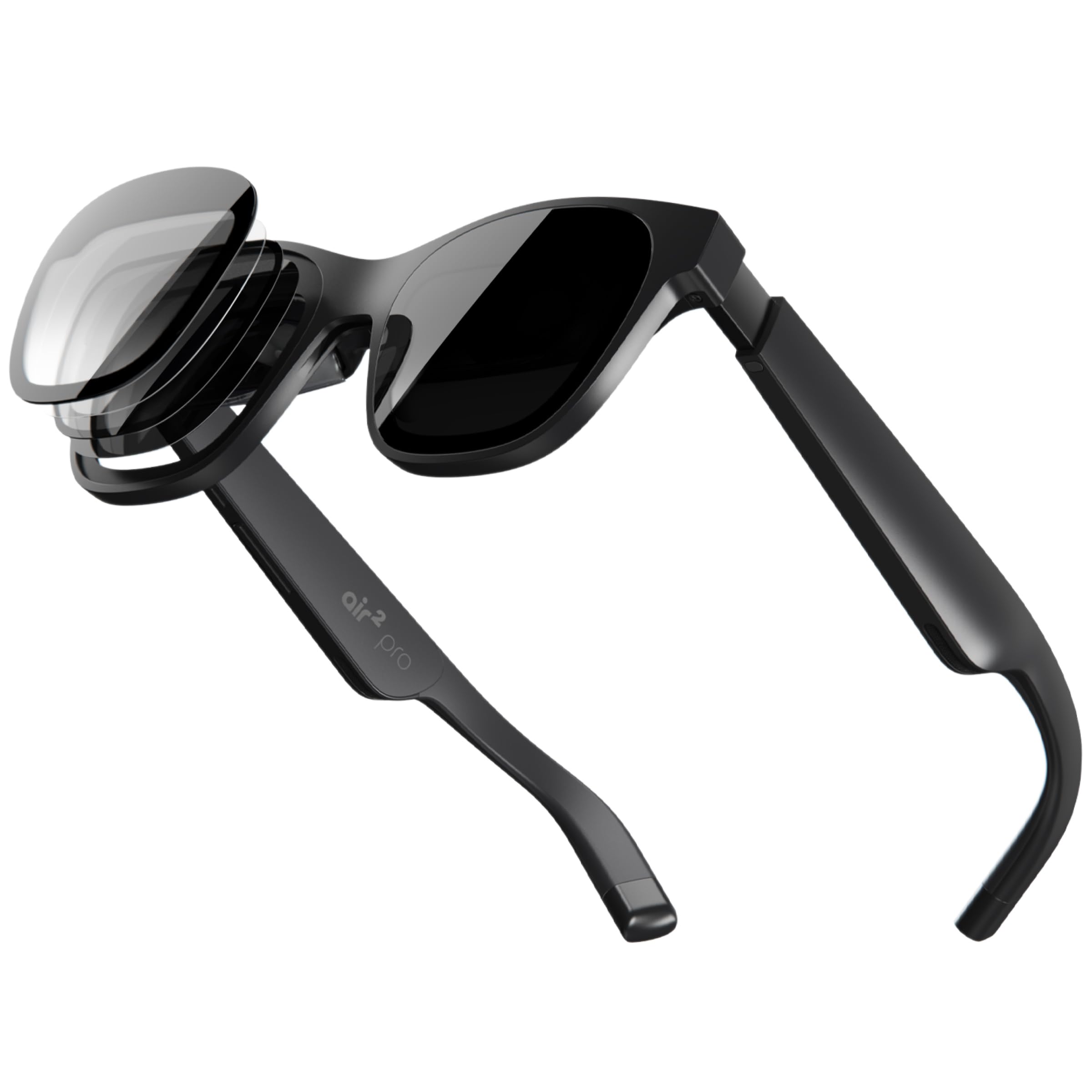
Google I/O 2026 delivered the smart glasses moment everyone was waiting for. On May 19, Google and Samsung pulled back the curtain on Android XR intelligent eyewear — revealing real hardware from Warby Parker and Gentle Monster, powered by Gemini 2.5 Pro. Audio glasses arrive this fall, with display glasses following later. Here's everything that was shown, what it means for the Ray-Ban Meta market, and whether you should buy smart glasses now or wait.
Key Takeaway
Android XR glasses from 4+ brands are real and launching fall 2026 with Gemini AI. The smart glasses market is about to explode.
Buy Now or Wait?
Ray-Ban Meta is safe today at $379. If you can wait 4-5 months, Android XR glasses offer Gemini and multi-brand options.
Compare Next
See current options in our smart glasses comparison or use the compare tool.
What Did Google Actually Reveal at I/O 2026?
Google's announcement splits Android XR glasses into two categories, each targeting different buyers:
Audio glasses are the first wave, launching fall 2026. These have no display — instead offering built-in speakers, microphones, and a camera for Gemini-powered AI interactions. Think of them as the Android answer to Ray-Ban Meta: you talk to Gemini, it responds in your ear, and the camera enables visual understanding of your surroundings.
Display glasses are the more ambitious second wave. These include a transparent in-lens display for navigation overlays, real-time translation text, notifications, and eventually full AR content. XREAL's Project Aura is the first confirmed display model, with a 70-degree field of view.
Which Brands Are Making Android XR Glasses?
Google showcased four hardware partners, each targeting a different segment:
- Warby Parker: Affordable, everyday frames with a traditional silhouette. Warby Parker's reputation for stylish, accessible eyewear suggests these could start under $400 — directly competing with Ray-Ban Meta.
- Gentle Monster: Fashion-forward, luxury frames with "disruptive yet refined aesthetics." Expect premium pricing and bold designs that appeal to the fashion-conscious buyer who wants smart glasses that don't look like tech.
- Samsung Galaxy Glasses (Jinju): Samsung's own brand, expected at a July London Unpacked event. Leaked specs suggest a 12MP Sony camera, Snapdragon AR1, 155mAh battery, and $379-$499 pricing.
- XREAL Project Aura: The display glasses entry — wired AR glasses with a 70° OLED field of view, hand tracking, and a processing puck. Read our hands-on impressions.
How Does Gemini 2.5 Pro Change Smart Glasses?
Every Android XR glass runs Gemini 2.5 Pro, Google's most capable AI model, leveraging your phone's processing power. Activate it by saying "Hey Google" or tapping the side frame. Key capabilities demonstrated at I/O:
- Real-time translation: Gemini translates conversations on the fly and speaks the translation in your ear (audio glasses) or displays text on screen (display glasses)
- Visual understanding: Point the camera at a restaurant menu, a landmark, or a product and ask Gemini about it — it responds with context-aware information
- Agentic tasks: Gemini can complete multi-step tasks in the background. Google demoed ordering food through DoorDash while the phone stayed in the user's pocket
- Navigation: Turn-by-turn directions through audio prompts or display overlays
Perhaps the biggest surprise: Google confirmed Android XR glasses work with both Android and iOS. This is a strategic move to capture iPhone users who may not want to wait for Apple's smart glasses, which aren't expected until 2027 at the earliest.
How Do Android XR Glasses Compare to Ray-Ban Meta?
Meta sold over 7 million Ray-Ban and Oakley smart glasses in 2025, holding roughly 82% of the global smart glasses market. Android XR is the first serious challenger to that dominance. Here's how they compare:
- AI assistant: Ray-Ban Meta uses Meta AI; Android XR uses Gemini 2.5 Pro. Both are capable, but Gemini's agentic features (background task completion) are more advanced.
- Platform: Ray-Ban Meta works with Instagram/Facebook ecosystem; Android XR integrates with Google services, Maps, and third-party apps via the AppFunctions API.
- Design options: Ray-Ban Meta offers Wayfarer and Headliner styles. Android XR will launch with at least four different brands and styles — more variety from day one.
- iOS support: Both work with iPhone, which is a critical feature for market adoption.
- Price: Ray-Ban Meta starts at $379. Android XR pricing is unconfirmed but expected to be competitive.
Should You Buy Smart Glasses Now or Wait for Android XR?
Buy Ray-Ban Meta now if you want smart glasses today and value a proven, polished product. The Gen 2 model has excellent audio, a capable camera, and a mature Meta AI assistant. It's available on Amazon at $379 with immediate shipping.
Wait for Android XR ifyou prefer Google's AI ecosystem, want more frame style options, or value Gemini's agentic task capabilities. Audio glasses arrive fall 2026 — that's only 4-5 months away. The risk is that first-generation products may have rough edges.
Wait for Samsung Galaxy Glasses ifyou're deeply invested in the Samsung ecosystem. The July Unpacked reveal should include pricing and pre-order details, with Galaxy Watch and Galaxy Ring cross-device integration likely.
Related Articles
Smart Glasses FAQ
Android XR Glasses Buying Questions
Quick answers about Android XR glasses from Google I/O 2026, including pricing, launch dates, and how they compare to Ray-Ban Meta.
When do Android XR smart glasses launch?
Audio-only Android XR glasses from Warby Parker and Gentle Monster launch in fall 2026. Samsung's Galaxy Glasses are expected at a July 2026 London Unpacked event. Display glasses with transparent in-lens screens, including XREAL Project Aura, will follow later in 2026 or early 2027.
Do Android XR glasses work with iPhone?
Yes. Google confirmed at I/O 2026 that Android XR smart glasses will be compatible with both Android and iOS devices. This is a significant move that could attract iPhone users who don't want to wait for Apple's own smart glasses, which aren't expected until 2027.
How much will Android XR smart glasses cost?
Pricing hasn't been officially confirmed, but Samsung's Galaxy Glasses are expected between $379 and $499. Warby Parker's version will likely target the affordable everyday segment. For comparison, Ray-Ban Meta smart glasses currently start at $299 for Gen 1 and $379 for Gen 2.
Should I buy Ray-Ban Meta now or wait for Android XR glasses?
If you need smart glasses today, Ray-Ban Meta is the proven choice at $379 with a mature feature set. If you can wait 4-5 months until fall 2026, Android XR glasses offer Gemini AI, multi-brand design options, and iOS compatibility. The risk of waiting is that first-gen products may have rough edges.
What is the difference between Android XR audio glasses and display glasses?
Audio glasses have no screen — they provide spoken AI assistance through built-in speakers, plus a camera for photos and Gemini visual understanding. Display glasses include a transparent in-lens display for showing navigation, translations, notifications, and AR content overlaid on the real world.