Google I/O 2026 Smart Glasses Preview: What to Buy Before and After May 19
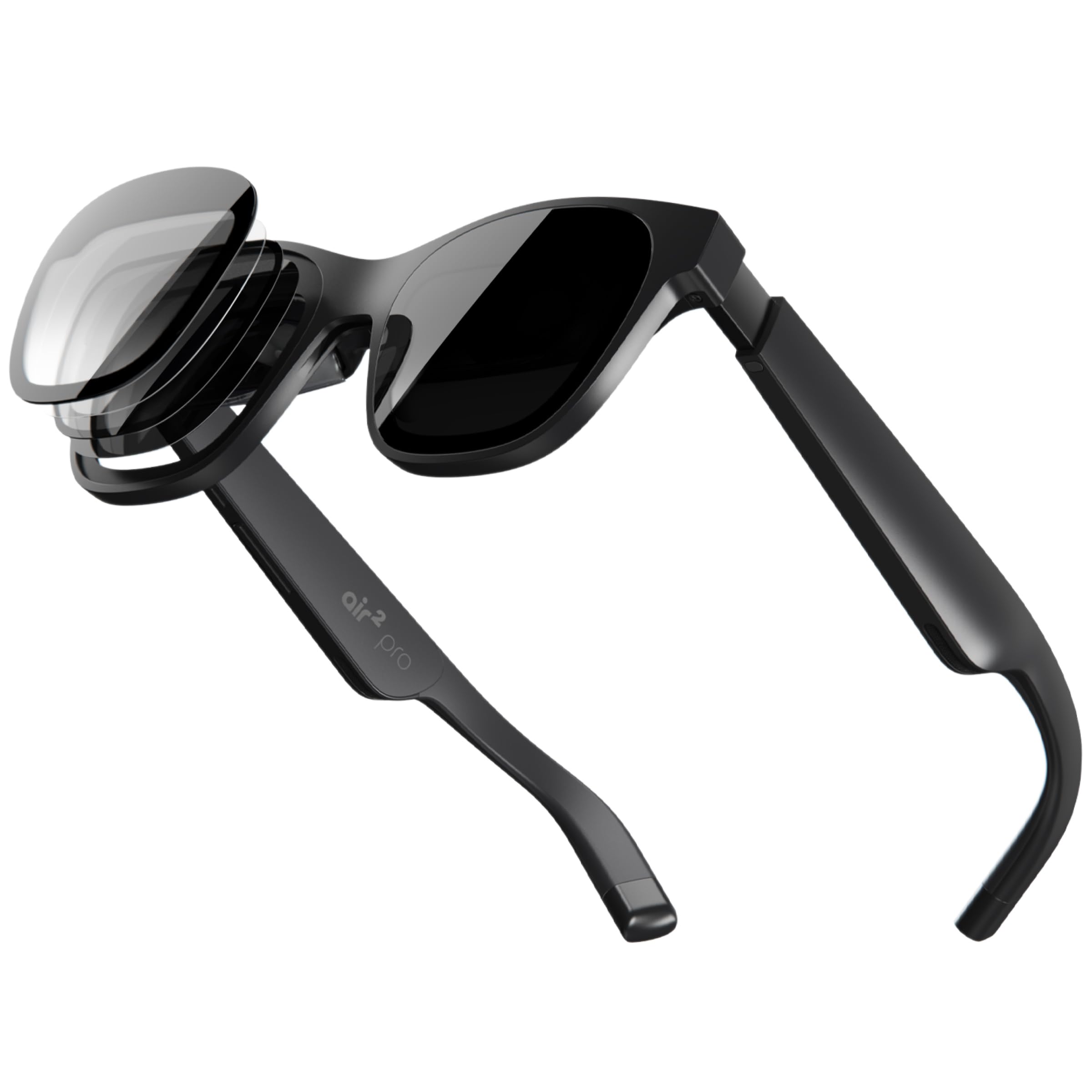
Google I/O 2026 opens in three days, and smart glasses are expected to take center stage. Four hardware partners — Samsung, XREAL, Warby Parker, and Gentle Monster — will showcase Android XR-powered glasses, marking the biggest challenge yet to Meta's Ray-Ban smart glassesdominance. But with privacy concerns mounting and multiple products still months from shipping, should you buy now or wait? Here's our pre-show buying guide.
Buy Now If
You use iPhone or want smart glasses today. Ray-Ban Meta at $379 is proven and shipping.
Wait If
You use Android and want Gemini AI glasses. Samsung Galaxy Glasses expected at July Unpacked, $379-$499.
Compare Next
Browse all options in our smart glasses guide or compare hub.
What Smart Glasses Will Google Show on May 19?
Google has confirmed that Android XR glasses will receive dedicated stage time at I/O 2026. Based on pre-show leaks and confirmed partnerships, here's what to expect from each partner:
Samsung Galaxy Glasses (Codename: Jinju)
The most anticipated reveal. Leaked specs describe display-free AI glasses with a 12MP Sony IMX681 camera, Qualcomm Snapdragon AR1 chip, 155mAh battery, Bluetooth 5.3, photochromic transition lenses, and a frame weighing roughly 50 grams. Price is expected at $379-$499, directly competing with Ray-Ban Meta.
Samsung is expected to preview the Galaxy Glasses at I/O before a full reveal at the July Unpacked event. A second pair, codenamed Haean, with a micro-LED in-lens display is reportedly targeting 2027 at $600-$900.
XREAL Project Aura
The most ambitious device in the lineup. Project Aura is an optical see-through AR headset with a 70-degree field of view, built on Qualcomm silicon and tethered to an external processing puck. It won a CES Innovation Award in January and is still targeting a 2026 launch — likely H2. This is closer to a lightweight AR headset than everyday glasses.
Warby Parker & Gentle Monster
Warby Parker is building affordable, everyday Android XR smart glasses for mainstream buyers. Gentle Monsteris targeting the luxury/fashion segment. Details are scarce, but both signal Google's strategy to offer Android XR glasses across multiple price points and style preferences — something Meta currently does alone with Ray-Ban.
How Do Android XR Glasses Compare to Ray-Ban Meta?
The Ray-Ban Meta at $379 on Amazonhas a massive head start — over 9 million units shipped since launch. Here's how the emerging Android XR competition stacks up:
- AI assistant: Ray-Ban Meta uses Meta AI; Galaxy Glasses will use Gemini. For Android users, Gemini integration across phone, watch, and glasses is the key advantage.
- Camera: Ray-Ban Meta has a 12MP camera; Samsung Galaxy Glasses reportedly use a 12MP Sony IMX681 — comparable quality.
- Design: Ray-Ban Meta benefits from decades of eyewear design expertise. Samsung's Jinju looks similar in leaks but hasn't been worn by reviewers yet.
- Ecosystem: Ray-Ban Meta works with both iPhone and Android. Galaxy Glasses will be optimized for Samsung Galaxy devices.
- Price: Both starting around $379 — direct price competition.
What About the Privacy Concerns?
Smart glasses face growing scrutiny as the category scales. A March 2026 investigation alleged that footage from Meta's Ray-Ban glasses was reviewed by contractors, leading the UK's Information Commissioner's Office to demand an account of Meta's data protection practices. With AI glasses shipments soaring 322% in 2025 to 8.7 million units, the privacy question is becoming impossible to ignore.
Google will need to address privacy head-on at I/O. Android XR glasses with cameras, AI processing, and always-on microphones raise the same questions. For a deeper look at the privacy landscape, see our Meta Ray-Ban privacy guide and facial recognition privacy explainer.
What About AR Display Glasses Like XREAL One Pro?
If you want a screen in your glasses today — for virtual monitors, gaming, or media — the XREAL One Pro at $599is the best shipping option. It's a tethered display rather than an AI assistant, but it delivers a genuine 120-inch virtual screen experience.
Our Verdict: Should You Buy Smart Glasses Before or After Google I/O?
Buy Ray-Ban Meta now if: You use an iPhone, need smart glasses today, or don't want to wait for products that haven't shipped yet. At $379 on Amazon, it's a proven product with 9+ million units in the field.
Wait until after May 19 if: You use Android and want Gemini-powered glasses. Even if Samsung's Galaxy Glasses don't ship until July, the I/O preview will tell you whether to hold or buy Meta. The Samsung vs Ray-Ban Meta comparison will get real pricing and specs on May 19.
Wait until 2027 if: You want smart glasses with a true AR display. Samsung's Haean and Google's display AI glasses are targeting 2027 for in-lens display models. The XREAL Project Aura may ship sooner but will be a tethered device.
Compare all smart glasses in our smart glasses comparison guide.
Related Articles
Smart Glasses FAQ
Google I/O 2026 smart glasses questions
Quick answers about the May 19 showcase, Samsung Galaxy Glasses pricing, and whether to buy now or wait.
When is Google I/O 2026 and what smart glasses will be shown?
Google I/O 2026 opens May 19 at Shoreline Amphitheater in Mountain View. Google will showcase Android XR smart glasses from Samsung (Galaxy Glasses, codename Jinju), XREAL (Project Aura), Warby Parker, and Gentle Monster. Google's own AI glasses prototypes are also expected on stage.
How much will Samsung Galaxy Glasses cost?
Based on leaked specifications, Samsung's Galaxy Glasses (codename Jinju) are expected to launch at $379-$499 — directly competing with the Ray-Ban Meta at $379. A second model with a micro-LED display (codename Haean) is rumored for 2027 at $600-$900.
Should I buy Ray-Ban Meta now or wait for Samsung Galaxy Glasses?
If you need smart glasses today, Ray-Ban Meta at $379 on Amazon is the safest buy with a proven track record and 9+ million units sold. If you can wait 2-3 months for Samsung's Galaxy Glasses launch (expected at July Unpacked), you'll have an Android-native alternative with Gemini AI. Wait if you use Android; buy now if you use iPhone.
What is the difference between Google's two types of Android XR glasses?
Google has a two-tier strategy. 'AI Glasses' are display-free with cameras, speakers, and microphones for Gemini voice interaction — similar to Ray-Ban Meta. 'Display AI Glasses' add transparent in-lens displays for navigation, live translation, and notifications. The first tier launches in 2026; the display tier is expected in 2027.
Will Android XR glasses work with iPhone?
Android XR glasses are built primarily for the Android ecosystem with deep Gemini AI integration. While basic Bluetooth connectivity may work with iPhone, the full feature set — including Gemini AI, Google Maps integration, and notification mirroring — will require an Android phone. iPhone users are better served by the Ray-Ban Meta or waiting for Apple's smart glasses.