Google I/O 2026: What Smart Glasses Buyers Should Expect on May 19
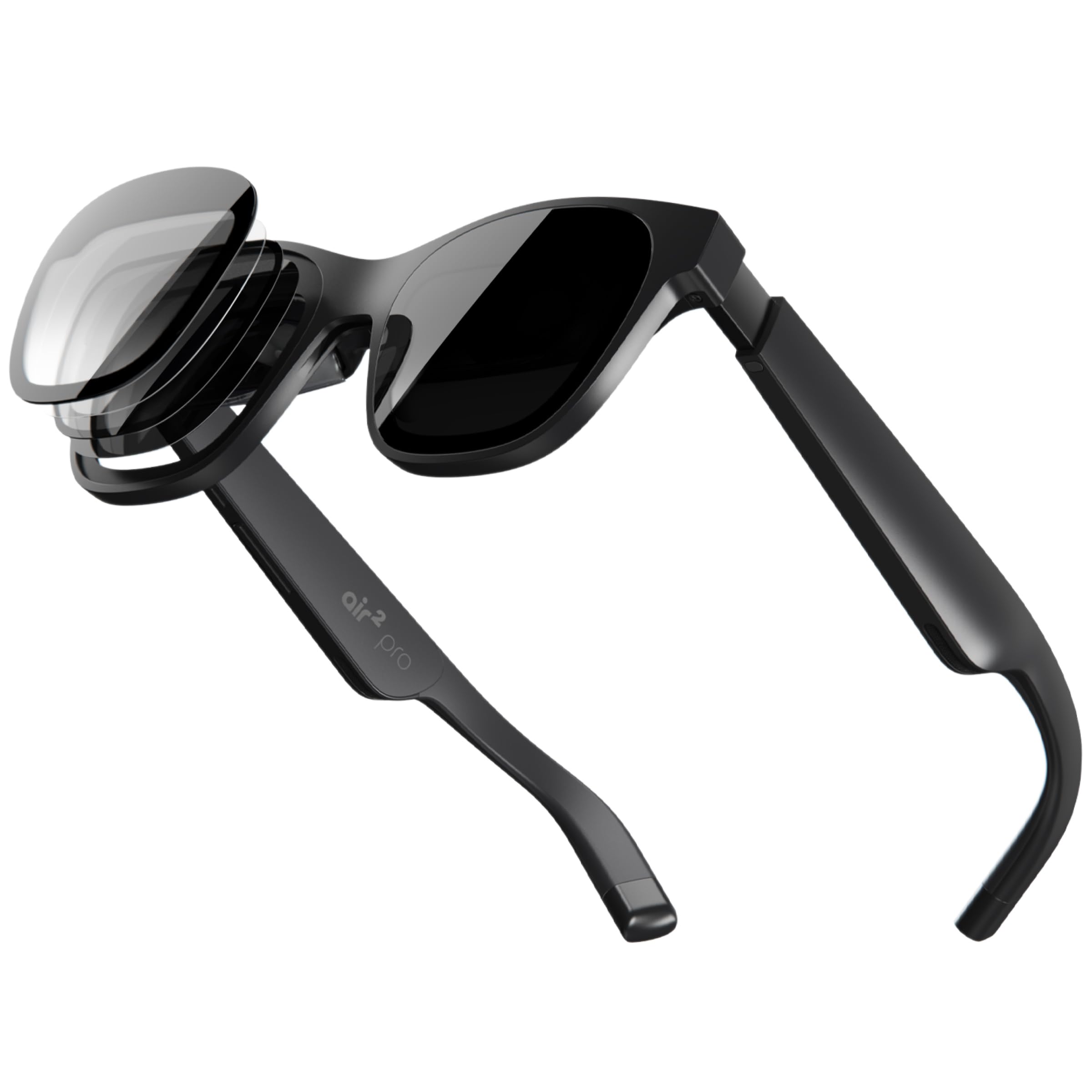
Google I/O 2026 kicks off May 19 in Mountain View, and this year the smart glasses category is expected to dominate the show. With Android XR smart glasses from Samsung, Gentle Monster, and Warby Parker all anticipated, the event could reshape the competitive landscape that Meta's Ray-Banhas owned for two years. Here's what buyers should watch for — and whether it changes your buying decision today.
Most Likely to Ship First
Samsung Galaxy Glasses — 50g, Snapdragon AR1, 12MP camera, $379–$499 estimated. July–August 2026.
Best Value Today
Ray-Ban Meta — shipping now, proven AI features. $379 on Amazon.
Best for AR Display
XREAL One Pro — 50° FOV display glasses. $599 on Amazon.
What Android XR Smart Glasses Are Coming?
Google has confirmed partnerships with three major brands to build consumer smart glasses on the Android XR platform — the same OS that powers the Samsung Galaxy XR headset. Each targets a different segment of the market:
Samsung Galaxy Glasses (Jinju): The most documented pair, leaked extensively in late April. Display-free design at around 50 grams with a Qualcomm Snapdragon AR1 chip, 12MP Sony IMX681 camera, Bluetooth 5.3, Wi-Fi, and integrated speakers. Gemini AI handles queries, navigation, translation, and image recognition. Estimated at $379–$499 — directly competing with Ray-Ban Meta. A second pair codenamed "Haean" with a micro-LED display is lined up for 2027.
Gentle Monster:A luxury fashion-tech collaboration targeting style-conscious buyers. Expect premium materials and designer aesthetics at a higher price point. Details remain scarce, but the brand's existing relationship with Huawei smart glasses suggests experience in balancing fashion and technology.
Warby Parker:Likely the most affordable Android XR option, targeting mainstream buyers who want AI glasses without the tech-bro aesthetic. Warby Parker's expertise in prescription lenses could be a significant differentiator if their Android XR glasses support Rx lenses from day one.
How Will Android XR Glasses Compare to Ray-Ban Meta?
The Ray-Ban Metahas defined the smart glasses category since 2023 with its blend of stylish Ray-Ban frames, Meta AI, and a 12MP camera. The key question is whether Android XR glasses can match or exceed Meta's offering in three critical areas:
AI quality:Meta AI is fast and capable, but Gemini has been improving rapidly. If Google brings the full Gemini experience — including multimodal understanding, Project Astra's real-time vision capabilities, and contextual memory — to Android XR glasses, it could leapfrog Meta AI for query depth and accuracy.
Ecosystem integration: Ray-Ban Meta works with both iOS and Android but is optimized for the Meta ecosystem (Instagram, WhatsApp). Android XR glasses would integrate natively with Google services — Maps, Photos, Calendar, Gmail — giving Android users a potentially smoother experience.
Fashion and form factor:Ray-Ban's brand carries enormous weight with fashion-conscious buyers. Samsung and Warby Parker will need to match that perceived quality. Early leaked images suggest Samsung's Galaxy Glasses look sleek but generic — the Ray-Ban brand cachet remains a major Meta advantage.
Should You Buy Smart Glasses Now or Wait for Google I/O?
Google I/O is just 13 days away. If you're actively shopping for smart glasses, here's the decision framework:
Wait if:You're an Android user who would benefit from deep Google services integration. Even if Samsung's Galaxy Glasses don't launch until July, knowing the specs, price, and Gemini capabilities will help you decide whether to buy Ray-Ban Meta now or hold out a few more months.
Buy now if: You're an iPhone user (Android XR glasses won't be optimized for iOS), you want a proven product today, or you value the Ray-Ban brand. The Ray-Ban Meta at $379 on Amazon is shipping immediately with regular firmware updates improving AI capabilities.
What About XREAL Project Aura and Other AR Glasses?
Google I/O isn't the only smart glasses event this month. XREAL's Project Aura— with its 70°+ FOV and Android XR support — was showcased at AWE and represents the high-end AR glasses segment. Unlike Samsung's display-free Galaxy Glasses, Project Aura includes an actual see-through display for overlaying information onto the real world.
For buyers who want a visual display rather than just audio and AI, the XREAL One Pro at $599 remains the best option available today, while Project Aura represents the next generation arriving later in 2026.
Our Recommendation
Mark May 19 on your calendar.Google I/O 2026 could be the most significant event for smart glasses since Meta launched Ray-Ban Stories in 2021. Even if you don't plan to buy Android XR glasses, the announcements will influence pricing and feature updates across the entire market — including Meta's response.
For now, the Ray-Ban Meta at $379 remains our top pick for AI smart glasses. The XREAL One Pro at $599 is best for display/AR glasses. And the XREAL Project Aura is the one to watch for true AR in a glasses form factor.
Browse all options in our smart glasses comparison guide or visit our head-to-head comparison tool.
Related Articles
- XREAL Project Aura 2026: What AR Glasses Buyers Need to Know
- Samsung Galaxy Glasses vs Ray-Ban Meta: The AI Wearable War
- Samsung Galaxy Glasses Jinju: Should You Wait?
- Apple Vision Pro Halted: What AR/VR Buyers Should Do Now
Frequently Asked Questions
When is Google I/O 2026?
Google I/O 2026 takes place May 19–20, 2026 at Shoreline Amphitheater in Mountain View, California. The keynote on May 19 is expected to feature Android XR smart glasses announcements alongside Android 17 and Gemini AI updates.
Will Samsung announce Galaxy Glasses at Google I/O 2026?
Samsung may preview the Galaxy Glasses (codenamed 'Jinju') at Google I/O since the glasses run on Google's Android XR platform. However, the full launch could be held for Samsung's July Unpacked event. Either way, buyers should learn key details like pricing and availability by late May.
How much will Android XR smart glasses cost?
Samsung's Galaxy Glasses are estimated at $379–$499, positioning them directly against the Ray-Ban Meta at $379. Warby Parker's Android XR glasses may target the $299–$399 range, while Gentle Monster's luxury pair could exceed $500. Official pricing has not been confirmed for any model.
Should I buy Ray-Ban Meta glasses now or wait for Android XR?
If you need smart glasses today, the Ray-Ban Meta at $379 is the safest buy with a proven track record. If you can wait two weeks, Google I/O on May 19 will reveal how competitive Android XR alternatives are. Key factors to watch: Gemini AI quality, battery life, camera specs, and whether any Android XR glasses ship immediately.
What is Android XR?
Android XR is Google's operating system designed specifically for AR/VR devices, including smart glasses and headsets. It integrates Gemini AI natively, allowing features like real-time translation, object recognition, and conversational AI queries. Samsung's Galaxy XR headset already runs Android XR, and smart glasses are the next wave.