XREAL Project Aura 2026: What AR Glasses Buyers Need to Know Before Launch
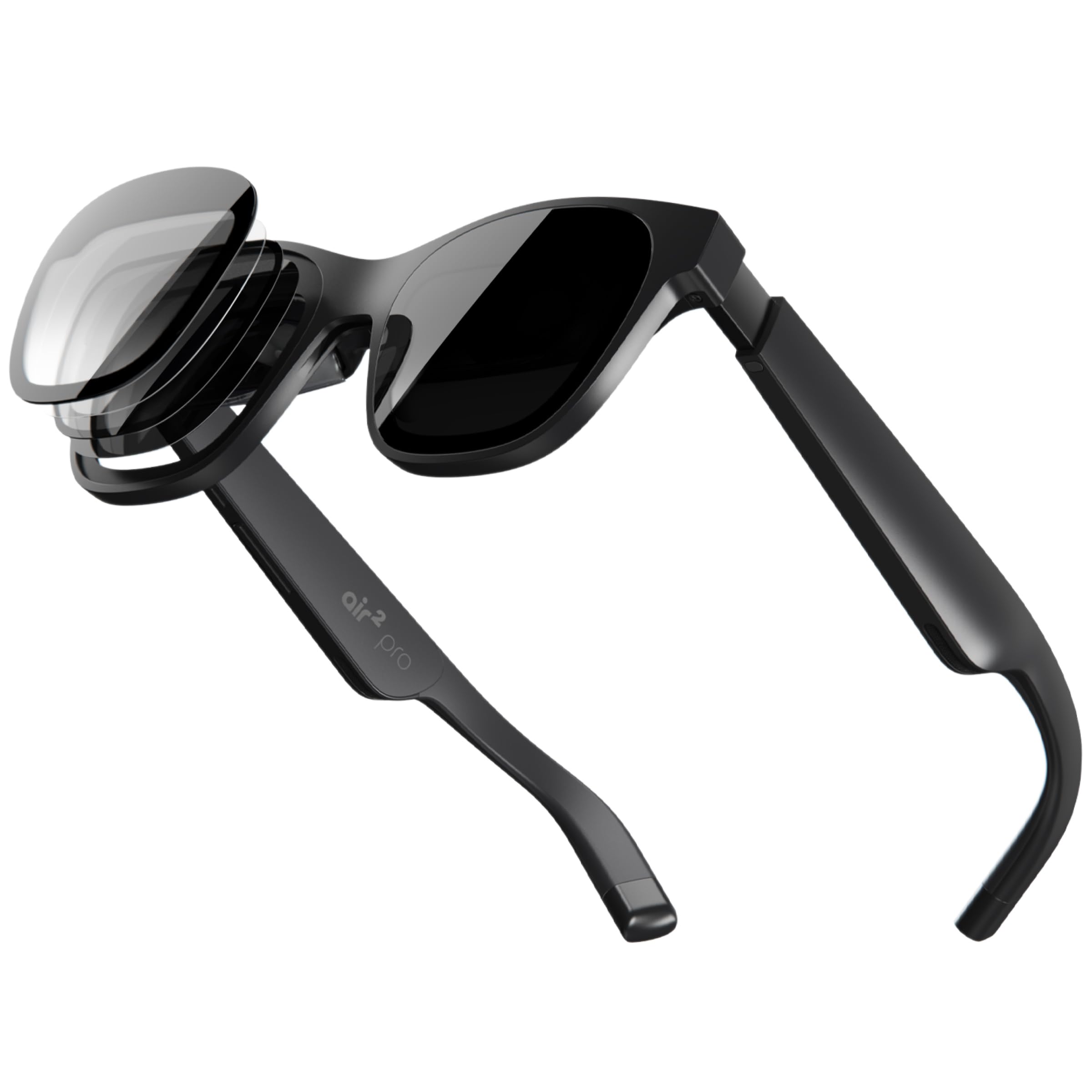
XREAL just confirmed the most important details about Project Aura at AWE (Augmented World Expo) 2026: a 70-degree-plus field of view, the new X1S processing chip with 25% more power, and full Android XR + Google Gemini AIintegration. This is XREAL's leap from display glasses to true augmented reality — and it positions Aura as potentially the most capable lightweight AR glasses launching this year. Here's what buyers need to understand.
Project Aura
70°+ FOV, Android XR, Gemini AI, X1S chip. True AR glasses launching 2026.
Best Buy Today
XREAL One Pro — $599 virtual screen glasses. Check price.
AI Glasses Alternative
Ray-Ban Meta — $379, best AI assistant glasses available now. See price.
Why Does a 70-Degree Field of View Matter?
Field of view (FOV) determines how much of your vision is covered by digital content. Current XREAL display glasses offer 46–50 degrees — enough for a virtual TV screen but not for spatial AR where content surrounds you. The 70°+ FOV in Project Aura means digital objects can occupy a much larger portion of your peripheral vision, enabling true spatial computing: maps that float in front of you, notifications pinned to objects, and AR games that fill your view.
For context: Microsoft HoloLens 2 offers 52°, Apple Vision Pro provides 100° (but in a heavy headset), and Magic Leap 2 manages 70°. Project Aura matching Magic Leap's FOV in a lightweight glasses form factor is a genuine engineering achievement — and suggests the glasses-vs-headset gap is closing fast.
What Can You Do with Android XR and Gemini AI?
Android XR is Google's purpose-built platform for AR/VR devices, and Gemini is Google's multimodal AI that can see, hear, and understand context. Together on Project Aura, they enable:
- Visual search: Look at something and ask Gemini what it is — a plant, a building, a menu in another language
- Real-time translation: Captions overlaid on your vision during conversations in foreign languages
- Spatial apps: Third-party Android XR apps can place content in 3D space around you
- Navigation: Walking directions displayed as AR arrows overlaid on the real world
- Productivity: Multiple virtual screens positioned in your workspace without physical monitors
This is the same platform Samsung is using for its Galaxy Glasses (confirmed for late 2026) and Samsung Galaxy XR headset, meaning apps built for one device work across all Android XR hardware. It's Google's answer to Apple's visionOS — but open to multiple manufacturers.
How Does Project Aura Compare to Samsung Galaxy Glasses?
Samsung's Galaxy Glasses (Jinju) target a different market segment. At 50g with no display, they're AI-first smart glasses— think Ray-Ban Meta with Samsung's ecosystem. They handle photos, calls, Gemini AI queries, and notifications, but don't overlay digital content on the real world.
Project Aura is a spatial computing devicewith a full AR display. It's heavier and more complex, but far more capable for immersive use cases. Think of it this way: Galaxy Glasses replace your phone for quick tasks; Project Aura replaces your monitor for extended computing.
Should You Wait for Project Aura or Buy AR Glasses Now?
Wait for Project Aura if: You want true optical see-through AR with spatial computing, Android XR apps, and Gemini AI in a glasses form factor. No shipping date is confirmed, but a late 2026 window is likely.
Buy XREAL One Pro now if: You want a large virtual screen for movies, gaming, and productivity today. At $599 on Amazon, it's the best display glasses available and serves a different purpose than AR overlays.
Buy Ray-Ban Meta now if: You want AI-powered smart glasses for everyday use — photos, calls, Meta AI queries, music — without the bulk of AR displays. At $379 on Amazon, they're the most practical smart glasses you can buy today.
The AR Glasses Landscape in 2026
2026 is shaping up as the year AR glasses go mainstream. The competitive landscape now includes:
- XREAL Project Aura: 70°+ FOV, Android XR, spatial computing (2026)
- Samsung Galaxy Glasses: AI-first, 50g, no display, $379–$499 (late 2026)
- Apple N50 Smart Glasses: Four frame styles, Apple Intelligence AI (2027)
- Meta Ray-Ban Gen 3: Upgraded cameras, apparel styles (late 2026)
- Google Android XR reference designs: Three tiers from budget to premium
For a full breakdown of every smart glasses option, visit our smart glasses comparison guide. For AR/VR headsets, see our AR/VR headset category.
Related Articles
- Smart Glasses War 2026: Samsung vs Meta vs Rokid
- Samsung Galaxy Glasses: Should You Wait?
- Apple Smart Glasses Four Styles: Should You Wait?
- XREAL Aura Android XR: First Look at Next-Gen AR
Frequently Asked Questions
When will XREAL Project Aura be available to buy?
XREAL has confirmed a 2026 launch window but has not announced a specific date or price. Based on the AWE showcase in May 2026 and partnership timelines with Google and Qualcomm, a late 2026 release is most likely. Some industry analysts suggest it could arrive before Samsung's Galaxy Glasses.
How much will XREAL Project Aura cost?
XREAL has not announced pricing. However, given the XREAL One Pro sells for $599 and the Samsung Galaxy XR headset is $1,799, Project Aura will likely land between $500 and $900 for a lightweight AR glasses product with Android XR and spatial computing capabilities.
What is the difference between XREAL Project Aura and XREAL One Pro?
XREAL One Pro is a display glasses product — it shows a virtual screen but is not true AR. Project Aura is an optical see-through AR device that overlays digital content on the real world with a 70°+ field of view, Android XR support, and Google Gemini AI integration. Aura is a full generation ahead.
Is XREAL Project Aura better than Samsung Galaxy Glasses?
They target different use cases. Project Aura offers a wider 70°+ FOV with spatial AR overlays for immersive experiences. Samsung Galaxy Glasses (Jinju) at 50g focus on AI assistance and camera features like Meta Ray-Ban, without a full AR display. Aura is for AR enthusiasts; Galaxy Glasses are for everyday AI assistance.
Should I buy XREAL One Pro now or wait for Project Aura?
If you want a virtual screen for movies, gaming, and productivity today, buy the XREAL One Pro at $599 on Amazon — it's excellent for that purpose. If you want true AR with spatial overlays and AI, wait for Project Aura. They serve different needs, and the One Pro will remain useful even after Aura launches.