The Smart Glasses War of 2026: Samsung vs Meta vs Rokid — What Buyers Need to Know
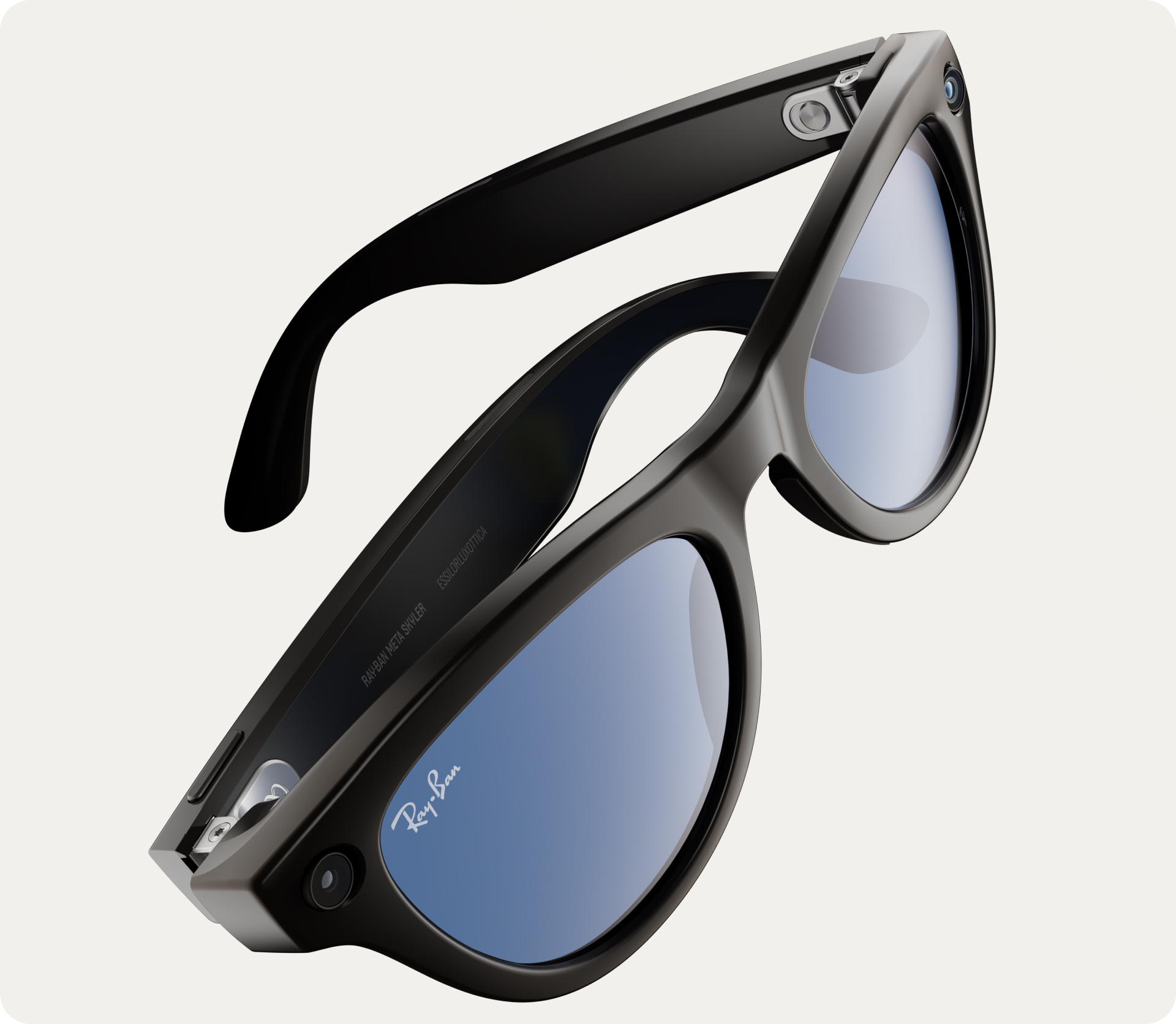
For the first time, the smart glasses market has a genuine three-way race. Samsung's Galaxy Glasses just leaked in detailed renders. Meta is preparing two Gen 3 Ray-Ban models. And Rokid is launching globally with a $299 open-ecosystem alternative. If you're thinking about buying smart glasses in 2026, you finally have real choices — and real decisions to make. Here's how the three platforms compare and which one deserves your money.
Best Today
Ray-Ban Meta Gen 2 at $379 is the only proven, shipping smart glasses worth buying right now.
Best Value
Rokid AI Glasses Style at $299 undercuts both Meta and Samsung, with an open AI ecosystem supporting ChatGPT and more.
Worth Waiting For
Samsung Galaxy Glasses (late 2026) — best choice for Galaxy phone users who want deep ecosystem integration with Gemini AI.
How Do Samsung, Meta, and Rokid Smart Glasses Compare on Specs?
All three are screenless smart glasses — no heads-up display, no AR overlays. They're designed to look like normal eyewear while adding cameras, speakers, microphones, and AI assistants. Here's how the key specs stack up:
Samsung Galaxy Glasses Jinju: ~50g, Snapdragon AR1, dual 12MP Sony IMX681 cameras, 155mAh battery, Android XR with Gemini, photochromic lenses. Expected $379–$499, late 2026.
Meta Ray-Ban Gen 3 (Apparel/Bellini): ~50g estimated, Snapdragon AR chipset, improved cameras (iPhone 13-level), 6–8 hour battery, Meta AI, two models for power users and prescription wearers. Expected $400–$500, mid-to-late 2026.
Rokid AI Glasses Style: Ultra-light build, dual-chip architecture, cameras for AI vision, open AI ecosystem (ChatGPT, Qwen, DeepSeek), prescription-first design. Available now at $299.
Which AI Platform Is Best for Smart Glasses?
The AI assistant is arguably more important than the hardware in 2026 smart glasses. Samsung's Gemini AI integration through Android XR gives Galaxy Glasses access to Google's full AI capabilities — visual search, real-time translation, contextual awareness, and deep integration with Google services. For anyone already using Google Maps, Gmail, and Google Calendar, this could be the most useful smart glasses assistant.
Meta AI has improved significantly since the Gen 2 launch, with real-time object recognition, visual question answering, and integration with Meta's social platforms. Where Meta leads is in camera-first experiences — hands-free nutrition tracking, WhatsApp message summarization, and social media sharing that Samsung and Rokid can't match yet.
Rokid's open ecosystem approach is the wildcard. By supporting multiple AI providers — ChatGPT, DeepSeek, Qwen — Rokid lets you choose the AI that works best for your needs and switch as better models launch. This flexibility is unique in the smart glasses market and could age better than locked-in platforms.
What About Ecosystem Lock-In?
Smart glasses are inherently ecosystem products. Samsung Galaxy Glasses will work best with Galaxy phones, Galaxy Watch, and Samsung Health — similar to how Galaxy Ring and Galaxy Watch Ultracreate a stronger experience within Samsung's ecosystem. If you already own Samsung hardware, the integration value of Galaxy Glasses will be hard to beat.
Meta's Ray-Ban glasses work with both iOS and Android, giving them the broadest compatibility. But Meta's AI features lean on Instagram, WhatsApp, and Messenger — you get more value if you use Meta's social platforms regularly. For iPhone users specifically, Ray-Ban Meta is likely the best choice since Apple's own smart glasses won't arrive until late 2026 at the earliest.
Rokid positions itself as platform-agnostic, which is compelling for buyers who don't want to commit to one AI provider or one phone ecosystem. The Rokid Max at $359 on Amazon already proves the company can deliver solid hardware, and the open AI approach is genuinely differentiated.
What Should You Buy Right Now?
If you want smart glasses today, the decision is straightforward. The Ray-Ban Meta Gen 2 at $379 is the most mature, most capable option available. It has the largest app ecosystem, the most refined camera experience, and nearly two years of software updates behind it.
For budget buyers, the Ray-Ban Meta Gen 1 at $224 is an excellent entry point — it gives you 80% of the Gen 2 experience for 60% of the price. And if you want a different approach entirely, the Rokid AI Glasses Style at $299 offers an open AI platform that no other smart glasses can match.
If you can wait, the second half of 2026 will be the most exciting period in smart glasses history. Samsung, Meta, Rokid, and potentially Apple will all have new products in the market. Competition will drive prices down and features up. Explore all your options in our smart glasses comparison and compare hub.
Related Articles
Smart Glasses FAQ
Common questions about smart glasses in 2026
These quick answers help buyers compare Samsung, Meta, and Rokid smart glasses on features, pricing, and ecosystem before buying.
Which smart glasses should I buy in 2026?
If you want smart glasses today, Ray-Ban Meta Gen 2 at $379 is the best option. If you're a Samsung Galaxy user, waiting for Galaxy Glasses Jinju in late 2026 makes sense. Budget buyers should consider Rokid AI Glasses Style at $299.
What is the difference between Samsung Galaxy Glasses and Ray-Ban Meta?
Samsung Galaxy Glasses run Android XR with Gemini AI, while Ray-Ban Meta uses Meta's proprietary AI. Both are screenless with cameras and speakers. Samsung will integrate with Galaxy phones; Meta works with both iOS and Android but favors Meta's ecosystem.
Are Rokid smart glasses worth buying over Ray-Ban Meta?
Rokid AI Glasses Style at $299 is $80 cheaper than Ray-Ban Meta and supports multiple AI providers including ChatGPT and DeepSeek. However, Ray-Ban Meta has a more mature ecosystem, better camera quality, and wider app support. Rokid is best for buyers who want an open AI platform.
Will smart glasses replace smartphones?
Not in 2026. Current smart glasses are companion devices that work alongside your phone for hands-free AI, photo/video capture, and audio. True standalone smart glasses with full phone replacement capabilities are still several years away.
Do any smart glasses work with prescription lenses?
Yes. Meta offers the Blayzer and Scriber models built for prescriptions starting at $499. Rokid's AI Glasses Style has a prescription-first design. Samsung's Galaxy Glasses prescription compatibility hasn't been confirmed yet.