Rokid AI Glasses Go Global 2026: What the European Launch Means for Smart Glasses Buyers
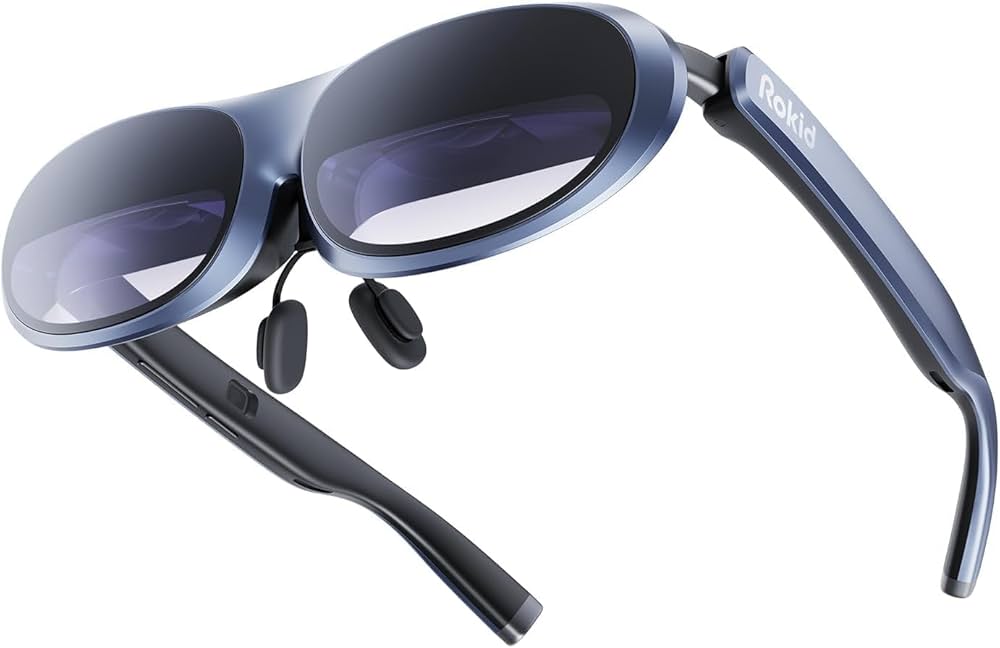
Rokid just made the kind of move that turns a niche brand into a global player. After demonstrating its AI-powered smart glasses to a United Nations delegation on April 27, the Chinese smart glasses maker is launching in Europe on April 29 — with Asia-Pacific markets to follow. At $299 with an open AI ecosystem, Rokid is positioning itself as the affordable, flexible alternative to Ray-Ban Metaand the upcoming Samsung Galaxy Glasses. Here's what this means for buyers.
Price
$299 — the most affordable mainstream AI smart glasses, undercutting Ray-Ban Meta by $80 and Samsung by up to $200.
Key Feature
Open AI ecosystem: works with ChatGPT, DeepSeek, Qwen, and more. No lock-in to a single AI provider.
Availability
US: available now. Europe: April 29, 2026. Asia-Pacific (Korea, Australia, Indonesia): throughout 2026.
Why Did Rokid Showcase to the United Nations?
Rokid's meeting with UN Under-Secretary-General Catherine Pollard wasn't just a PR stunt — it signals Rokid's ambition beyond consumer tech. The demonstration highlighted real-time translation, object recognition, and hands-free AI assistance — all features with obvious applications in diplomacy, humanitarian work, and international operations. For the UN, smart glasses that can translate conversations in real time and provide contextual information hands-free could be genuinely useful in field operations.
For buyers, this institutional validation matters because it pushes Rokid toward enterprise-grade reliability. Smart glasses companies that serve both consumer and enterprise markets tend to invest more heavily in durability, privacy, and software stability — all things that benefit everyday users.
How Does Rokid's Open AI Ecosystem Work?
The most distinctive feature of Rokid AI Glasses is their open AI ecosystem. While Ray-Ban Meta locks you into Meta AI and Samsung Galaxy Glasses will use Gemini, Rokid lets you choose from multiple AI providers — including ChatGPT, Qwen, and DeepSeek. You can switch between them based on the task or your preference.
This matters more than it might seem. AI capabilities are evolving rapidly. An open platform means your glasses improve every time a better AI model launches, without waiting for the hardware maker to negotiate a partnership or build an integration. If OpenAI releases a breakthrough model next month, Rokid users could access it immediately. Ray-Ban Meta and Galaxy Glasses users would have to wait for their respective platforms to catch up.
The dual-chip architecture helps here too — dedicated processing for AI and audio means the glasses can handle complex AI queries without laggy audio playback or overheating, even with demanding third-party AI models.
How Does Rokid Compare to Ray-Ban Meta and Samsung?
At $299, Rokid undercuts the Ray-Ban Meta at $379 on Amazon by a meaningful margin. The prescription-first design is also a genuine advantage — most smart glasses treat prescription lenses as an afterthought. However, Ray-Ban Meta has the stronger camera system, the more mature app ecosystem, and nearly two years of iterative software improvements behind it.
Compared to Samsung's upcoming Galaxy Glasses Jinju(expected $379–$499), Rokid is significantly cheaper but likely has less powerful hardware. Samsung's Snapdragon AR1 chip and 12MP Sony cameras should deliver stronger performance, and Galaxy ecosystem integration will matter for Samsung phone owners.
The real question is what you value most: price and AI flexibility (Rokid), camera quality and ecosystem maturity (Meta), or phone integration and Google AI (Samsung). There's no wrong answer — just different priorities. For a deeper comparison, check our full three-way comparison guide.
Should You Buy Rokid AI Glasses Now?
Rokid AI Glasses Style make the most sense for three types of buyers. First, budget-conscious shoppers who want AI smart glasses for under $300 — Rokid is the only serious option at this price. Second, prescription wearers who want smart glasses designed for their needs from day one. Third, AI enthusiasts who want the freedom to use ChatGPT, DeepSeek, or any other AI provider instead of being locked into Meta AI or Gemini.
If camera quality is your priority, the Ray-Ban Meta at $379 is the better choice. For buyers who want AR display capabilities — virtual big-screen viewing for movies and gaming — the Rokid Max at $359 or XREAL Air 2 Pro at $499 are the products to consider. Browse all smart glasses in our comparison guide and compare hub.
Related Articles
Rokid Smart Glasses FAQ
Common questions about Rokid AI Glasses
These quick answers help buyers compare Rokid's pricing, AI ecosystem, and availability before purchasing.
How much do Rokid AI Glasses cost?
The Rokid AI Glasses Style is priced at $299, making them the most affordable mainstream AI smart glasses available. This is $80 less than Ray-Ban Meta at $379 and potentially $80–$200 less than the upcoming Samsung Galaxy Glasses.
Can Rokid AI Glasses use ChatGPT?
Yes. Rokid AI Glasses Style support an open AI ecosystem that includes ChatGPT, Qwen, DeepSeek, and other AI providers. You can choose and switch between AI assistants based on your preference — unlike Ray-Ban Meta which only supports Meta AI.
Do Rokid AI Glasses work with prescription lenses?
Yes. The Rokid AI Glasses Style has a prescription-first design, meaning they were built from the ground up to accommodate prescription lenses. This is a key advantage over Ray-Ban Meta's standard models, though Meta offers dedicated prescription models (Blayzer and Scriber) at $499.
Are Rokid AI Glasses available in the US?
Yes. Rokid has been selling in the US market and is now expanding to Europe (launching April 29, 2026), followed by Asia-Pacific markets including Indonesia, South Korea, and Australia throughout 2026.