Samsung Galaxy Glasses 2026: First Renders Revealed — Should You Wait or Buy Ray-Ban Meta Now?
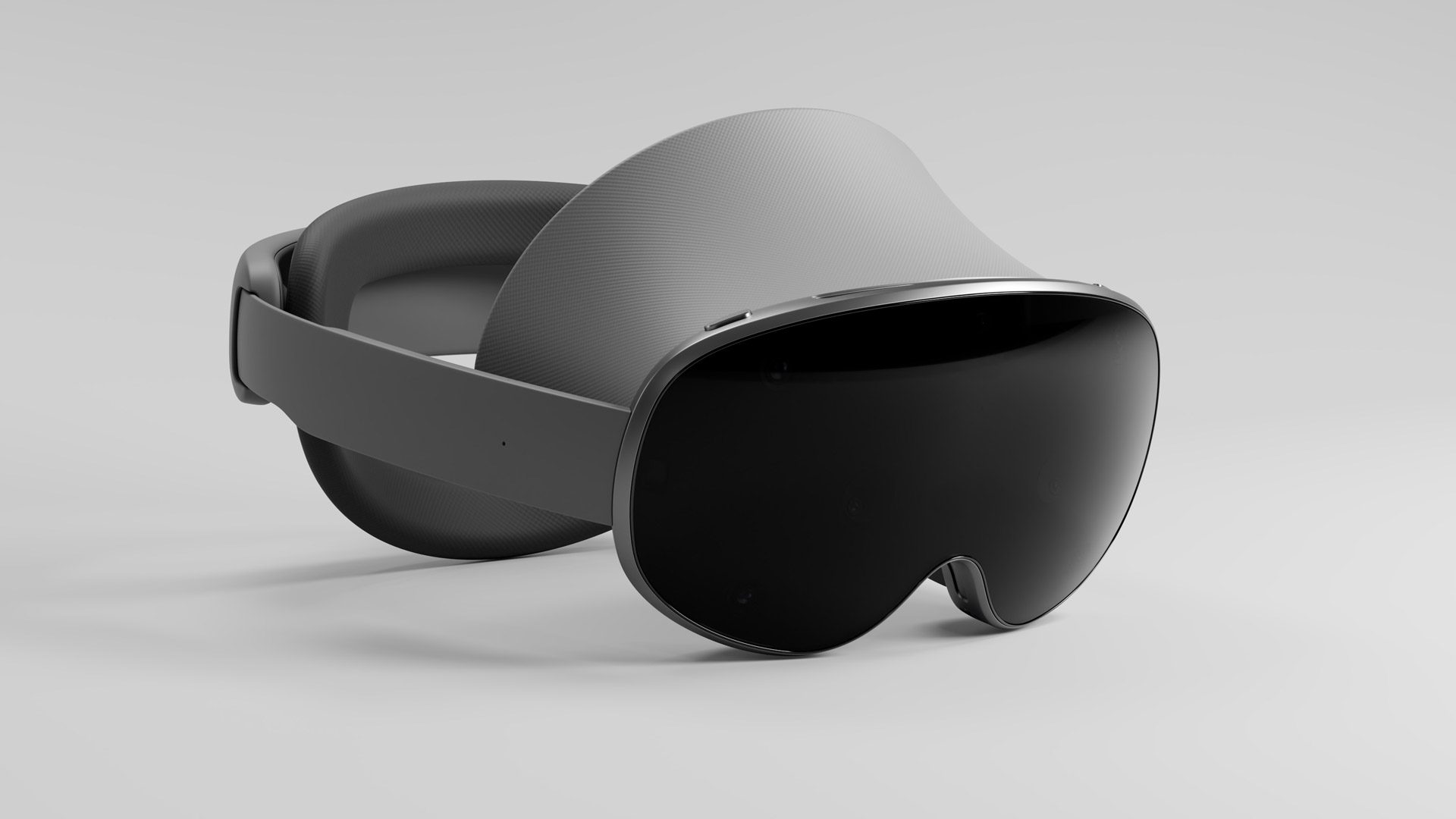
Samsung's first true smart glasses just became real. Leaked renders from @OnLeaks — based on an actual testing unit — reveal the Galaxy Glasses "Jinju," a 50-gram pair of screenless AI glasses powered by Snapdragon AR1 and running Android XR with Google Gemini. They look like regular sunglasses, they pack dual 12MP Sony cameras, and they're aimed squarely at the Ray-Ban Meta. Here's everything we know — and whether you should wait.
Key Specs
50g frame, Snapdragon AR1, dual 12MP Sony IMX681 cameras, 155mAh battery, photochromic transition lenses.
Expected Price
$379–$499 — in direct competition with Ray-Ban Meta at $379 and Meta's upcoming Gen 3 at $400–$500.
Launch Window
Late 2026, likely announced at Samsung Unpacked in July. A display-equipped Haean model follows in 2027.
What Do the Samsung Galaxy Glasses Look Like?
The leaked renders show a design that deliberately mimics conventional sunglasses. The temples are thin enough to avoid the "tech goggles" look that plagued earlier smart glasses, and the overall silhouette is remarkably similar to Ray-Ban Meta. Samsung has clearly studied what made Meta's design work: if smart glasses don't look like normal glasses, nobody wears them.
At approximately 50 grams, the Jinju model is competitive with the Ray-Ban Meta (49.3g). The photochromic transition lenses are a smart touch — they darken automatically in sunlight, eliminating the need to choose between clear and tinted lenses at purchase. Two 12-megapixel Sony IMX681 cameras sit near the outer corners of each lens, positioned for natural photo and video capture.
How Do the Specs Compare to Ray-Ban Meta?
On paper, Samsung's Galaxy Glasses match or exceed the Ray-Ban Meta in several key areas. The Snapdragon AR1 processor is Qualcomm's dedicated smart glasses chip, designed for always-on AI processing without draining the battery. The dual 12MP cameras match Meta's resolution, though real-world image quality will depend on software processing. The biggest differentiator is the software platform: Android XR with native Gemini AI integration gives Samsung access to Google's full AI stack — potentially stronger than Meta AI for tasks like real-time translation, visual search, and contextual awareness.
The 155mAh battery is the question mark. Ray-Ban Meta gets roughly 4 hours of mixed use from its battery. Samsung hasn't disclosed battery life estimates, but the smaller capacity suggests similar or slightly shorter endurance unless the Snapdragon AR1 is meaningfully more efficient. Battery life will be the spec to watch when final specs arrive.
What Is Samsung's Three-Model Strategy?
Samsung isn't building just one pair of smart glasses — it has three models in development. Jinju is the entry-level, screenless model launching first in late 2026. It focuses on cameras, audio, and Gemini AI, directly competing with Ray-Ban Meta. A second unnamed model is also in development. And Haean is the premium follow-up expected in 2027 that adds a micro-LED heads-up display for AR overlays like notifications, navigation, and contextual information directly in your field of view.
This tiered approach mirrors what Meta has done — launching screenless glasses first to build adoption, then following up with display-equipped models like the Ray-Ban Meta Display. The strategy makes sense: screenless glasses are lighter, cheaper, and more socially acceptable, which builds the user base for more advanced hardware later.
Should You Wait for Samsung Galaxy Glasses?
The honest answer depends on your ecosystem and patience. If you're a Samsung Galaxy phone user who wants deep integration between your glasses, phone, and Galaxy Watch, waiting for the Galaxy Glasses makes strategic sense. Samsung Health integration, seamless notification handling, and Galaxy AI features should work best within Samsung's ecosystem — just as AirPods work best with iPhones.
If you want smart glasses today, the Ray-Ban Meta Gen 2 at $379 on Amazon is the proven choice with a mature app ecosystem and regular software updates. Meta is also preparing Gen 3 with two new models, so the Ray-Ban side of the market is about to improve as well.
For budget-conscious buyers, the Ray-Ban Meta Gen 1 at $224 is a low-risk way to try smart glasses before either Samsung or Meta's next-gen models arrive. And if you want AR display capabilities right now, the XREAL Air 2 Pro at $499offers a virtual big-screen experience that neither Samsung nor Meta's screenless glasses can match.
The Bottom Line
Samsung's Galaxy Glasses Jinju leak is the strongest signal yet that smart glasses are about to become a real product category — not just a Meta monopoly. The specs are competitive, the design is refined, and the Android XR platform gives Samsung a credible software story. But "leaked renders" and "shipping product" are very different things. Until Samsung announces pricing, availability, and battery life, the Ray-Ban Meta remains the smart glasses to beat. Compare your full range of options in our smart glasses comparison and compare hub.
Related Articles
Samsung Galaxy Glasses FAQ
Common questions about Samsung Galaxy Glasses
These quick answers cover pricing, specs, launch timing, and how Samsung's smart glasses compare to the competition.
When will Samsung Galaxy Glasses be available to buy?
Based on leaked timelines, the Samsung Galaxy Glasses Jinju model is expected to launch in late 2026, likely alongside or shortly after the July Unpacked event. A second model with a micro-LED display (Haean) is expected in 2027.
How much will Samsung Galaxy Glasses cost?
Pricing is expected between $379 and $499, putting the Galaxy Glasses in direct competition with Ray-Ban Meta smart glasses which currently sell for $379 on Amazon. Samsung may undercut Meta on the entry-level model.
Should I wait for Samsung Galaxy Glasses or buy Ray-Ban Meta now?
If you need smart glasses today, the Ray-Ban Meta Gen 2 is the proven choice at $379. If you prefer Android and Google's AI ecosystem, waiting for the Galaxy Glasses makes sense — but you will likely wait until late 2026 at the earliest.
What is the difference between Samsung Galaxy Glasses and Galaxy XR?
Galaxy Glasses are lightweight, screenless smart glasses for everyday wear — like Ray-Ban Meta. Galaxy XR is a full mixed-reality headset with immersive displays — like Apple Vision Pro. They serve completely different use cases.
Do Samsung Galaxy Glasses have a display?
The Jinju model launching in 2026 does not have a display. It focuses on cameras, audio, and Gemini AI. A future model codenamed Haean will include a micro-LED heads-up display, expected in 2027.