Meta Ray-Ban Facial Recognition 2026: Privacy Risks Every Buyer Should Know
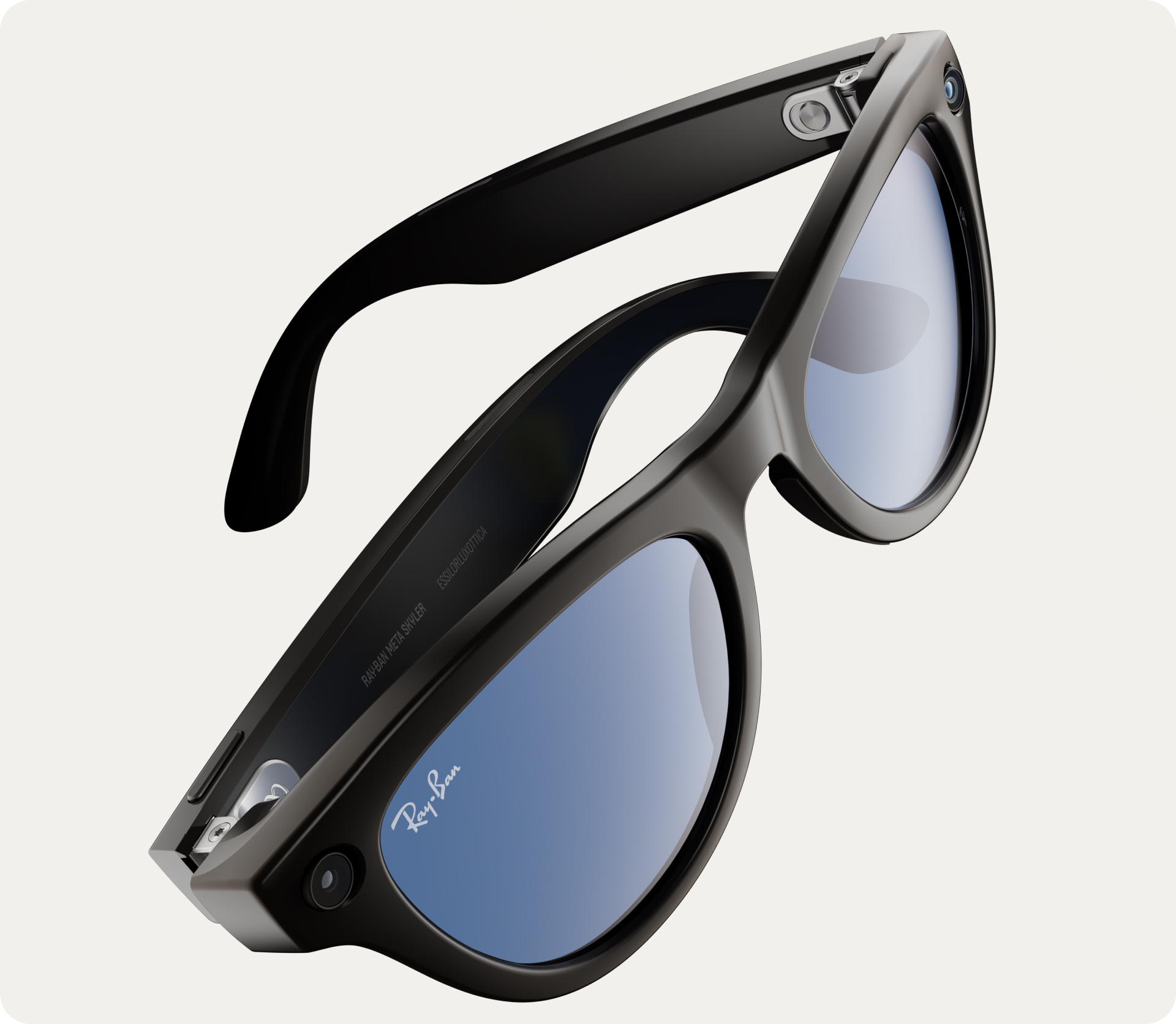
The privacy debate around Meta Ray-Ban smart glasses just reached a tipping point. In the span of two weeks, a security researcher demonstrated real-time facial recognition using consumer Ray-Bans at the RSA Conference, and 75+ civil rights organizationssent an open letter demanding Meta permanently cancel its planned "Name Tag" facial recognition feature. If you own — or are considering buying — Meta Ray-Ban glasses, here's what you need to understand.
Current Status
No built-in facial recognition yet, but third-party software already enables it using the glasses' camera.
Opposition
75+ organizations including the ACLU, EPIC, and Fight for the Future demand Meta cancel the feature.
Our Take
The glasses are still excellent hardware. Disable auto-uploads and understand the risks before buying.
What Happened at RSAC 2026?
At the RSA Conference 2026 in San Francisco, ESET cybersecurity advisor Jake Moore delivered a session called "Facing Reality: Hacking Facial Recognition." Moore put on a pair of consumer-grade Meta Ray-Ban smart glasses, walked through the conference hall, and identified people around him in real time. Names, social media profiles, and personal details were returned within seconds.
The critical detail: Moore didn't hack anything. He paired the glasses with Corsight, a commercially available facial recognition platform, and used both products exactly as designed. A colleague operated the Corsight system remotely while Moore walked around wearing the glasses. Nobody he identified had consented. Nobody knew it was happening.
This isn't a theoretical future threat — it's a present-day capability using hardware you can buy at Amazon for $224.
Why Are 75+ Organizations Demanding Meta Cancel Facial Recognition?
On April 14, a coalition led by the ACLU, the Electronic Privacy Information Center (EPIC), and Fight for the Future published an open letter to Mark Zuckerberg with three core demands:
- Permanently cancel the "Name Tag" feature that would use AI to identify people in a wearer's field of view
- Publicly disclose any past instances of Meta glasses being used for stalking or harassment
- Reveal any discussions with law enforcement agencies — including US Immigration and Customs Enforcement — about deploying facial recognition through the glasses
The coalition includes domestic violence advocacy groups, LGBTQ+ organizations, immigrant rights groups, and consumer privacy watchdogs. Their argument: facial recognition in everyday eyewear would enable mass surveillance of public spaces, create tools for stalking, and put vulnerable populations at disproportionate risk.
This escalates the timeline of privacy concerns we've been tracking: the EFF issued a "think twice" advisory in March, and the US Senate sent Meta a formal inquiry shortly after.
How Does Meta's Planned "Name Tag" Feature Work?
According to reporting from TechCrunch and MacRumorsin February 2026, Meta has been developing an internal feature called "Name Tag" for its next-generation Ray-Ban smart glasses. The feature would use the glasses' camera and on-device AI to:
- Detect faces in the wearer's field of view
- Match those faces against a database (likely Meta's social graph of 3+ billion users)
- Surface the person's name, profile information, and mutual connections
Meta has not officially confirmed or denied the feature. When the US Senate gave Meta a 48-hour deadline to respond, Meta did not provide a substantive response.
Should You Still Buy Meta Ray-Ban Smart Glasses?
The hardware is still excellent. The Ray-Ban Meta remains the best smart glasses available for hands-free calls, photography, and AI assistance. The $224 deal is genuinely good value. But buying them now means accepting these realities:
- The camera can be exploited — as the RSAC demo proved, anyone with the glasses and facial recognition software can identify strangers
- Meta's data practices are aggressive — auto-uploads, contractor footage review, and broad data sharing are baked into the product
- Future firmware updates could add features you don't want — as Bose recently demonstrated, manufacturers can change products after purchase
If you buy: Disable auto-uploads in the Meta AI app, review privacy settings carefully, and understand that people around you may react negatively to camera-equipped eyewear. For a full breakdown of privacy mitigations, see our Meta Ray-Ban privacy analysis.
What Are the Most Privacy-Friendly Smart Glasses Alternatives?
If the privacy concerns are a dealbreaker, several alternatives exist:
- Even Realities G1 — lets users uninstall even core apps; full user data control. No outward-facing camera for recording.
- XREAL Air 2 Pro — display-only AR glasses with no outward camera; from $250 on eBay
- TCL RayNeo Air 4 Pro — HDR10 display glasses at $299 with no camera; see our full review
For a complete comparison of all smart glasses on the market, visit our smart glasses category page or read How to Choose Smart Glasses in 2026.
Related Articles
FAQ
Meta Ray-Ban Facial Recognition: Common Questions
What buyers and owners need to know about privacy risks with Meta smart glasses in 2026.
Do Meta Ray-Ban smart glasses have facial recognition right now?
No. As of April 2026, Meta Ray-Ban glasses do not include a built-in facial recognition feature. However, Meta has been developing an internal feature called 'Name Tag' that would identify people in a wearer's field of view. A security researcher at RSAC 2026 also demonstrated that third-party facial recognition software can already be paired with the glasses' camera to identify strangers in real time.
Can someone identify me using Meta Ray-Ban smart glasses?
Yes, it is technically possible today. At RSAC 2026, a researcher used consumer Meta Ray-Ban glasses paired with Corsight's commercial facial recognition platform to identify conference attendees in real time — returning names, profiles, and personal details. No hacking was required; the researcher used the products exactly as designed.
Why are 75+ organizations demanding Meta cancel facial recognition?
A coalition led by the ACLU, EPIC, and Fight for the Future argues that adding facial recognition to smart glasses worn in public spaces would enable mass surveillance, endanger domestic violence survivors, threaten LGBTQ+ individuals in hostile environments, and create tools for stalking. They want Meta to permanently cancel the feature and disclose any law enforcement discussions.
Should I still buy Meta Ray-Ban smart glasses despite privacy concerns?
The Ray-Ban Meta remains a technically excellent product for hands-free calls, photos, and AI assistance. If privacy is a priority, disable the Meta AI app's auto-upload features and understand that the camera can be used by others for identification purposes. The glasses themselves don't include facial recognition — the concern is about what Meta or third parties could enable in the future.
Are there smart glasses alternatives without privacy concerns?
Even Realities G1 glasses give users full control over their data and allow uninstalling even core apps. For display-only AR glasses, XREAL Air 2 Pro and TCL RayNeo Air 4 Pro don't have outward-facing cameras at all. These are the most privacy-friendly smart glasses available in 2026.