No Vision Pro 2 Until 2028: What AR/VR Headset Should You Buy Instead?
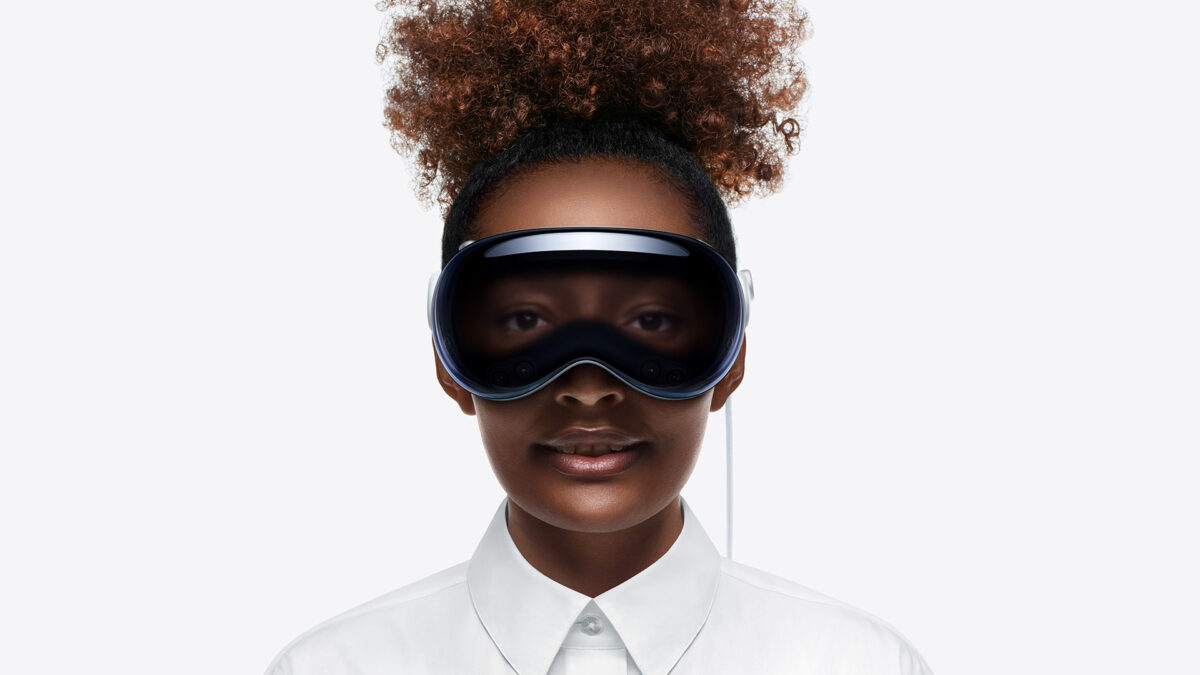
If you were waiting for WWDC 2026 to reveal a cheaper or better Vision Pro, it is time to adjust your plans. Bloomberg's Mark Gurman reports that Vision Pro 2 will not arrive until 2028 at the earliest, and the rumored budget "Vision Air" has been canceled entirely. Apple is pivoting its spatial computing team toward lightweight AI smart glasses instead. So what should you buy if you want an AR/VR headset right now?
Best Value
Meta Quest 3S at $299 — the most affordable mixed reality headset with a strong app ecosystem.
Premium Pick
Samsung Galaxy XR — sharper display than Vision Pro at roughly half the price.
Portable Option
XREAL One Pro at $599 for AR display glasses without the headset bulk.
Why Did Apple Delay Vision Pro 2?
The original Vision Pro launched in February 2024 at $3,499 and received an M5 chip refresh in October 2025. Despite the upgrade, sales remained disappointing — the combination of a $3,499 price tag, 600-gram weight, and limited app ecosystem kept the device niche. Several factors contributed to Apple's strategic shift:
- M5 refresh underperformed: The chip upgrade did not drive meaningful new sales or developer interest
- Smart glasses momentum: Ray-Ban Meta sold over 7 million units in 2025, proving that lighter, cheaper AI wearables have stronger mass-market appeal
- Team reassignment: The core Vision Products Group has been broken up, with engineers redirected to smart glasses and AI wearable projects
- Vision Air canceled: The planned budget headset was scrapped, closing the door on a lower price point
Apple now plans to announce lightweight smart glasses — with speakers, microphones, and cameras but no display — in late 2026 or early 2027. Read our WWDC 2026 preview for what to expect from the keynote on June 8.
Should You Still Buy the Vision Pro?
At $3,499 new from Apple or around $2,000 refurbished on eBay, the Vision Pro is a tough sell in mid-2026. The hardware is still impressive — the micro-OLED displays are class-leading, and eye/hand tracking remains the best in the industry. But with the successor delayed to 2028 and Apple's strategic focus shifting away, the software ecosystem is unlikely to see major investment. visionOS 27, expected at WWDC, will be a maintenance release.
Buy only if: you are a developer testing spatial apps, a professional with a specific workflow (3D design, medical visualization), or a collector who values the hardware. For everyone else, there are better options.
Best Alternative: Meta Quest 3S ($299)
The Meta Quest 3S is the easiest recommendation for most buyers. At $299, it costs less than a tenth of the Vision Pro and delivers the largest VR app library, solid mixed reality passthrough, and Meta's rapidly improving AI assistant. It is not trying to be a spatial computer — it is a versatile VR headset that also does a decent job with AR experiences.
The Quest ecosystem has a massive content library that the Vision Pro simply cannot match, including titles from Beat Saber to Horizon Workrooms. For gaming, fitness, and casual mixed reality, this is the sweet spot.
Premium Alternative: Samsung Galaxy XR
If you want the closest experience to Vision Pro without the Apple tax, the Samsung Galaxy XR is the premium pick. It offers 3,552 × 3,840 pixels per eyewith 4,032 PPI — crisp enough for spreadsheets and code. The 109-degree horizontal field of view is actually wider than Vision Pro's ~100 degrees, and Samsung's Android XR platform gives it access to both Google and Samsung app ecosystems.
The Galaxy XR has been expanding its enterprise featuresand now ships internationally. It is a strong choice for professionals who want spatial computing at roughly half the Vision Pro's price.
Portable Alternative: XREAL One Pro ($599)
Not everyone wants a headset. If you primarily want a large virtual display for productivity, movies, or gaming without strapping a device to your face, the XREAL One Pro at $599 offers a compelling approach. It looks like a pair of sunglasses, weighs just 84 grams, and creates a virtual 57-degree workspace with spatial computing features. The brand-new XREAL a01 at $299 is an even lighter option if you only need entertainment viewing.
What About Apple Smart Glasses?
Apple's smart glasses project is the reason Vision Pro 2 was delayed. The glasses won't have a display — they will feature speakers, microphones, cameras, and deep Apple Intelligence integration, competing directly with Ray-Ban Meta ($379). An announcement is expected in late 2026 with retail availability in 2027.
If AI-powered smart glasses interest you more than VR headsets, the Apple smart glasses preview covers everything we know. In the meantime, the Ray-Ban Meta remains the gold standard in AI-powered smart glasses, and the Gen 3 is launching soon.
Related Articles
AR/VR Headset FAQ
Common questions about Vision Pro alternatives
Quick answers to help you choose the right AR or VR headset now that Vision Pro 2 has been delayed.
When will Apple Vision Pro 2 be released?
Bloomberg's Mark Gurman reports the next Vision Pro won't arrive until 2028 at the earliest. Apple has paused the headset redesign to focus on lightweight AI smart glasses instead, which are expected in late 2026 or 2027.
Is it still worth buying Apple Vision Pro in 2026?
At $3,499 new or around $2,000 refurbished, the Vision Pro is hard to recommend given the delayed successor and Apple's strategic pivot away from the platform. Only buy if you have a specific professional use case that justifies the cost.
What is the best alternative to Apple Vision Pro?
For mixed reality, the Meta Quest 3S at $299 offers the best value. For premium spatial computing, the Samsung Galaxy XR provides comparable display quality at roughly half Apple's price. For a portable personal screen, the XREAL One Pro at $599 is excellent.
What will visionOS 27 include?
visionOS 27, expected to be previewed at WWDC on June 8, will be a maintenance release focused on bug fixes, performance improvements, and interoperability rather than major new features.
Will Apple make smart glasses instead of Vision Pro?
Yes. Apple has reassigned its Vision Products Group engineers to work on lightweight smart glasses with speakers, microphones, and cameras — similar to Ray-Ban Meta but with Apple Intelligence integration. An announcement is expected in late 2026 with a retail launch in 2027.