Camera-Free Smart Glasses Are Taking Over: Meta Audio vs Samsung Galaxy Glasses vs HTC Vive Eagle in Fall 2026
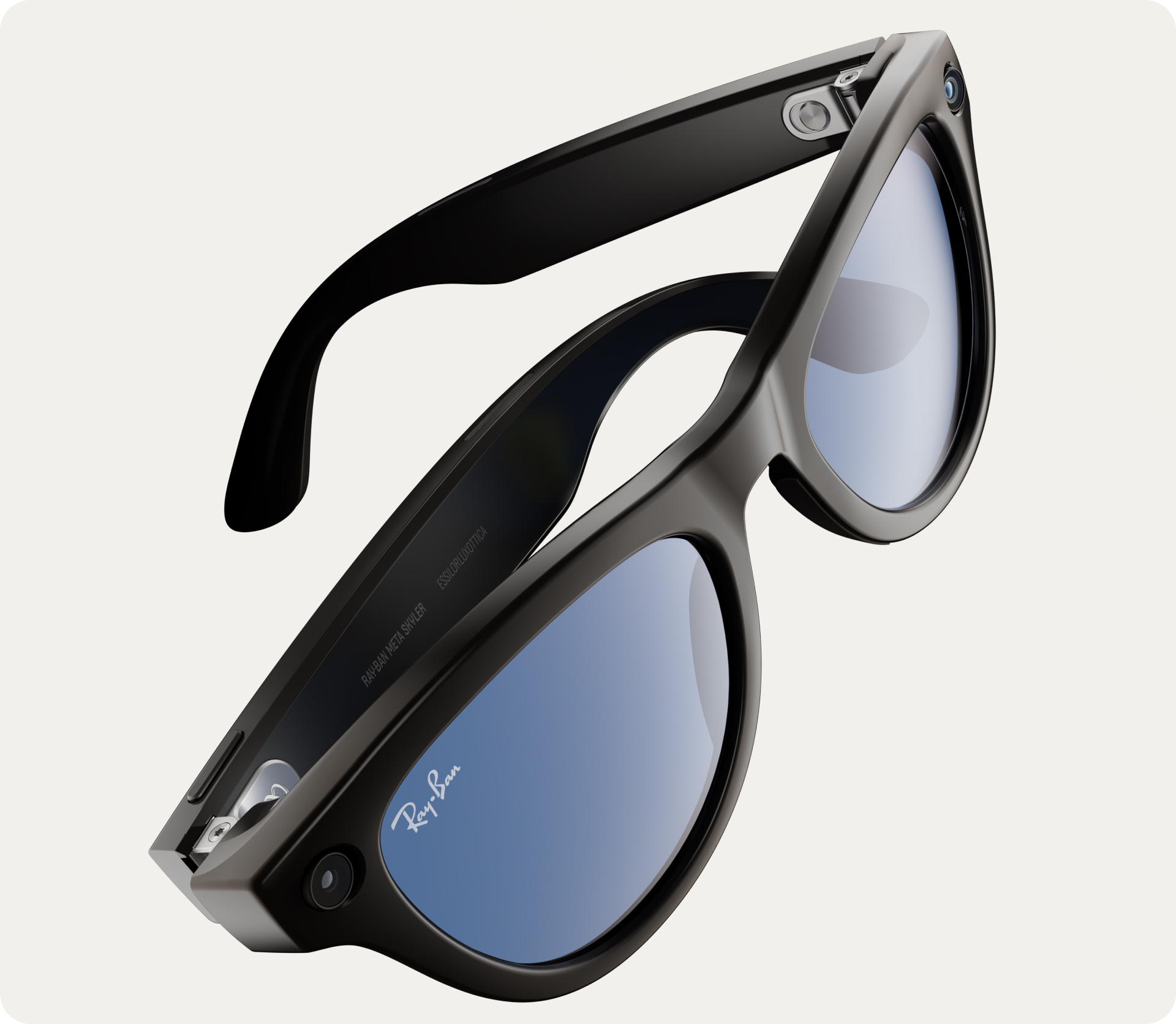
For the first time, buyers who want AI on their face without a camera have three credible options shipping this fall. Meta's Ray-Ban Audio ($349) ships October 13, Samsung's Galaxy Glasses arrive in fall 2026, and HTC's Vive Eagle ($499) is already available. Here's how they compare and which one to buy.
Budget Pick
Meta Ray-Ban Audio at $349 — longest battery, lightest weight, ships October 13.
Ecosystem Pick
Samsung Galaxy Glasses — Gemini AI, Android XR, Samsung/Google integration. Price and date TBA.
Privacy Pick
HTC Vive Eagle at $499 — no Meta or Google data collection. Available now.
Why Are Smart Glasses Companies Removing Cameras?
The camera-free trend isn't a step backward — it's a response to what buyers actually want. Digitimes reported today that camera-free models are reshaping the smart glasses category, driven by three forces:
Privacy backlash is real. The UK ICO investigated Meta Ray-Ban cameras in 2026, and the "pervert glasses" stigma has kept many potential buyers away. Removing the camera eliminates social friction entirely — nobody worries about being recorded when there's no camera to record with.
Battery and weight improve dramatically. Camera modules and their processing drain battery and add weight. The Meta Audio gets 12 hours vs Gen 3's 9 hours and weighs 43g vs 50g. That's a 33% battery gain and 14% weight reduction from one design choice.
Most users want audio and AI, not cameras. Meta's own usage data reportedly shows that the majority of Ray-Ban Meta interactions are voice commands and music — not photos or video. The camera was the headline feature, but the audio was the actual killer app.
Head-to-Head: How Do They Compare?
| Feature | Meta Audio | Samsung Galaxy Glasses | HTC Vive Eagle |
|---|---|---|---|
| Price | $349 | $379–$499 (est.) | $499 |
| Battery life | 12 hours | 9 hours + case | ~8 hours |
| Weight | 43g | TBA | ~48g |
| AI assistant | Meta AI | Google Gemini | HTC AI |
| Chip | Qualcomm AR1 | Snapdragon AR1 | Snapdragon AR1 |
| Frame styles | Clubmaster, Burbank | Gentle Monster, Warby Parker | 2 styles |
| Ships | October 13 | Fall 2026 (TBA) | Available now |
| Camera | None | None (audio models) | None |
Meta Ray-Ban Audio: Best for Most Buyers
At $349, Meta Audio is the clear value leader. It's $100 cheaper than Gen 3, lasts 3 hours longer, and weighs 7 grams less. The exclusive Clubmaster and Burbank frame styles are the most fashion-forward options in any smart glasses lineup. Meta AI is the most mature voice assistant in the category, and Meta's ecosystem of Instagram, WhatsApp, and Messenger integration is unmatched.
The trade-off: you lose photo/video capture and visual AI ("point and identify"). If those features are essential, you want the Gen 3 at $449 instead.
Samsung Galaxy Glasses: Best for Samsung/Google Users
Samsung's Galaxy Glasses run Android XR with Google Gemini, making them the natural choice for Samsung phone owners and anyone deep in the Google ecosystem. The Gentle Monster and Warby Parker frame partnerships offer more fashion credibility than any other smart glasses brand except Ray-Ban.
The unknowns are significant: Samsung hasn't announced pricing, a specific ship date, or opened preorders — and fall 2026 is already here. If you're waiting for Galaxy Glasses, set a mental deadline: if Samsung doesn't announce by mid-October, the Meta Audio shipping October 13 becomes the safer bet for holiday gifting.
HTC Vive Eagle: Best for Privacy Purists
At $499, the Vive Eagle is the premium option — but it's the only camera-free smart glasses not tied to Meta or Google. For buyers who want spatial audio and AI assistance without feeding data to the two largest advertising companies, HTC's privacy-first approach has genuine appeal.
Early reviews are mixed: the spatial audio is praised, but the AI assistant lags behind Meta AI and Gemini in capability. At $150 more than Meta Audio, the Vive Eagle is a harder sell unless privacy is your top priority.
Which Camera-Free Smart Glasses Should You Buy?
Buy Meta Ray-Ban Audio ($349) if: You want the best value, longest battery life, and most mature AI assistant. Best for iPhone and Android users who use Meta's apps. Ships October 13.
Wait for Samsung Galaxy Glasses if: You're in the Samsung/Google ecosystem and want Gemini AI with fashion-forward Gentle Monster or Warby Parker frames. But set a deadline — no date or price has been announced.
Buy HTC Vive Eagle ($499) if: Privacy is your top priority and you don't want Meta or Google handling your data. Spatial audio is excellent, but the AI assistant needs work.
If you want a camera: These aren't the glasses for you. Get the Ray-Ban Meta Gen 3 at $449 — it's the undisputed best smart glasses with a camera. Browse all options in our smart glasses guide.
Related Articles
Camera-Free Smart Glasses FAQ
Common questions about camera-free smart glasses
Quick answers about privacy, AI capabilities, battery life, and which model to choose.
Why are smart glasses companies removing cameras?
Three reasons: privacy backlash (the UK ICO investigated Meta Ray-Ban cameras in 2026), battery life (removing the camera adds 2-3 hours), and weight reduction (15-20% lighter without camera modules). Most smart glasses users primarily want AI assistants and music, not photos or video.
Can camera-free smart glasses still use AI?
Yes. All three camera-free models — Meta Audio, Samsung Galaxy Glasses, and HTC Vive Eagle — include AI voice assistants (Meta AI, Google Gemini, and HTC's AI respectively). They can answer questions, set reminders, make calls, and control smart home devices. The only AI feature they lose is visual identification (pointing at something and asking 'what is this?').
Which camera-free smart glasses have the best battery life?
Meta Ray-Ban Audio leads with 12 hours of battery life, followed by Samsung Galaxy Glasses at 9 hours with 7 additional case charges, and HTC Vive Eagle at approximately 8 hours. All three significantly outperform camera-equipped models like the Ray-Ban Meta Gen 3 (9 hours).
Should I buy camera-free smart glasses or wait for Samsung Galaxy Glasses?
If you're in the Apple or Meta ecosystem and want the lightest, longest-lasting option, Meta Audio ($349, shipping October 13) is the safest pick. If you're deep in the Samsung/Google ecosystem and want Gemini AI integration, waiting for Galaxy Glasses makes sense — but Samsung hasn't announced a specific date or price yet.
Are camera-free smart glasses cheaper than models with cameras?
Generally yes. Meta Audio is $349 vs Gen 3's $449 — a $100 saving. HTC Vive Eagle at $499 is pricier due to its spatial audio technology. Samsung Galaxy Glasses pricing hasn't been announced but is expected between $379 and $499.