Galaxy Watch Ultra 2 AGEs Sensors Explained: Is Experimental Health Tracking Worth $699?
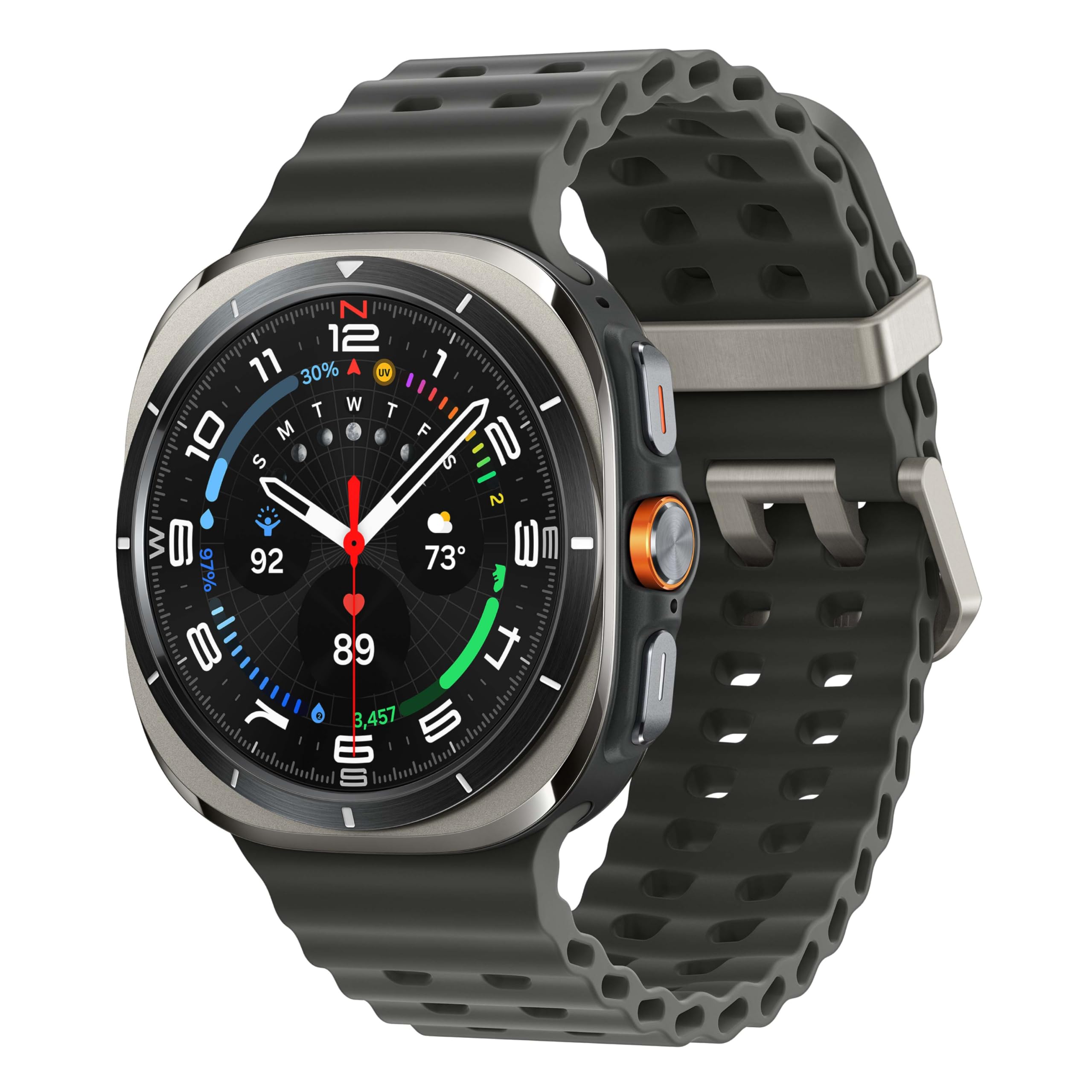
The Samsung Galaxy Watch Ultra 2, launching July 22 at $699, is making a bold bet: three experimental health sensors that no other consumer smartwatch has ever shipped. We are talking about AGEs monitoring, antioxidant level tracking, and vascular load measurement— metrics that have historically required dedicated medical devices or blood draws. But "experimental" is a loaded word in health tech. Here is what these sensors actually measure, how reliable they are likely to be, and whether they justify the price tag.
New Sensors
AGEs (metabolic aging), antioxidant levels (oxidative stress), and vascular load (arterial stiffness) — all non-FDA experimental readings.
Price & Availability
$699. Pre-orders open July 22. Ships August 5. Reserve now for a $30 Samsung credit.
Compare
See how the Ultra 2 stacks up in our smartwatch guide and compare hub.
What Are AGEs and Why Would You Track Them?
Advanced Glycation End-Products (AGEs) are harmful compounds that form when proteins or fats combine with sugars — a process called glycation. They accumulate naturally with age but accelerate with poor diet (high sugar, heavily processed foods, high-heat cooking), smoking, and chronic inflammation.
High AGEs levels are clinically associated with:
- Accelerated biological aging
- Type 2 diabetes and insulin resistance
- Cardiovascular disease
- Kidney disease
- Neurodegeneration (Alzheimer's risk)
Until now, measuring AGEs required either a skin autofluorescence reader (a medical device that shines UV light on the forearm) or a blood test. Samsung's approach uses optical spectroscopy from the wrist — the watch shines specific wavelengths of light into the skin and measures the fluorescence signature of AGEs compounds. This is a newer, less validated technique, which is why Samsung labels it experimental.
What Do the Antioxidant and Vascular Load Sensors Measure?
The two other experimental sensors complement the AGEs tracker:
- Antioxidant Level Monitoring: Estimates your body's capacity to neutralize free radicals. This may reflect dietary quality (fruits, vegetables, supplements), recovery status after exercise, and overall oxidative stress. Think of it as a rough proxy for how well your body is defending against cellular damage.
- Vascular Load: Measures arterial stiffness — how rigid or flexible your blood vessels are. Stiff arteries are an independent risk factor for heart attack and stroke, and are one of the earliest detectable signs of cardiovascular decline. Clinical vascular stiffness tests use pulse wave velocity; Samsung's sensor likely uses a similar optical approach from the wrist.
All three readings require a one-time calibration during initial setup and take approximately 30 seconds per measurement. They run independently of Samsung's existing BioActive sensor (which handles heart rate, ECG, blood pressure, and body composition).
How Reliable Are These Experimental Sensors?
This is the critical question. Samsung uses the word "experimental" deliberately — these sensors are not FDA-cleared and are marketed as wellness insights, not medical diagnostics. Here is what that means in practice:
- No clinical validation yet: Samsung has not published peer-reviewed studies on the accuracy of wrist-based AGEs, antioxidant, or vascular load measurements. Until independent researchers test these sensors against gold-standard methods, accuracy claims are unverified.
- Directional, not diagnostic: Even if the sensors track trends reliably (your AGEs going up or down over weeks), the absolute numbers may not match clinical measurements. This is useful for lifestyle optimization but not for medical decisions.
- Samsung's track record is mixed: Samsung's blood pressure monitoring on Galaxy Watch required calibration against a medical cuff and was criticized for drift between calibrations. The BIA body composition sensor has been reasonably accurate in third-party tests. Expect similar variability here.
Galaxy Watch Ultra 2 vs Apple Watch Ultra 3: Which Health Tracker Wins?
The Apple Watch Ultra 3 takes the opposite approach: fewer sensor types, but all FDA-cleared and clinically validated. Here is how they compare:
- Samsung Ultra 2 ($699): Heart rate, ECG, blood pressure, body composition, SpO2, skin temperature, plus experimental AGEs, antioxidants, and vascular load. Total: 9+ distinct health metrics.
- Apple Ultra 3 ($640): Heart rate, ECG, blood oxygen, skin temperature, crash detection, fall detection. Fewer metrics, but ECG and crash detection are FDA-cleared. Blood pressure monitoring is expected in the Ultra 4 this September.
If you want proven, medically actionable data, the Apple Watch Ultra 3 is the safer choice. If you want to explore bleeding-edge health metrics that no other watch offers — and you understand the experimental caveats — the Samsung Ultra 2 is uniquely positioned.
Who Should Buy the Galaxy Watch Ultra 2?
The Ultra 2 is the right watch for you if:
- You are an Android user who wants the most sensor-dense smartwatch available
- You are interested in longevity and metabolic health and want to track AGEs and oxidative stress trends over time
- You want 5G connectivity on your wrist (available in the US and South Korea via RedCap)
- You need a rugged titanium watch with an 800mAh battery that can handle multi-day adventures
Skip it if you only want FDA-cleared health metrics, prefer iOS, or find $699 hard to justify for sensors labeled "experimental." In that case, the Apple Watch Ultra 3 at $640 or even the Apple Watch Series 11 at $299 offer proven health tracking at lower prices. For the best value Samsung watch, wait for the Galaxy Watch 9 at $349.
The Bottom Line
The Galaxy Watch Ultra 2's experimental sensors are genuinely novel — no other consumer device tracks AGEs, antioxidant capacity, or vascular load from the wrist. But "first" and "best" are different things. These sensors need real-world validation, and "experimental" means Samsung itself is not making clinical accuracy claims. For health enthusiasts who enjoy being early adopters and understand the limitations, the Ultra 2 offers a fascinating glimpse at the future of wrist-based health monitoring. For everyone else, the proven sensors in the Apple Watch Ultra 3 or the value of the Pixel Watch 3 at $247 remain smarter buys. Compare all options in our smartwatch guide.
Related Articles
Health Sensor FAQ
Galaxy Watch Ultra 2 experimental sensors: Common questions
Quick answers about AGEs tracking, sensor accuracy, and how the Ultra 2 compares to Apple Watch Ultra 3 for health monitoring.
What are AGEs and why should I track them?
AGEs (Advanced Glycation End-Products) are compounds that form when proteins or fats combine with sugars. High AGEs levels are linked to accelerated aging, diabetes, cardiovascular disease, and chronic inflammation. Tracking AGEs over time could reveal whether dietary and lifestyle changes are reducing metabolic damage.
Are the Galaxy Watch Ultra 2 experimental sensors FDA-cleared?
No. Samsung labels the AGEs, antioxidant, and vascular load sensors as experimental. They are not FDA-cleared and are intended for wellness insights, not medical diagnosis. Do not use these readings to make clinical decisions without consulting a doctor.
Can the Galaxy Watch 9 also track AGEs?
No. The experimental AGEs, antioxidant, and vascular load sensors are exclusive to the Galaxy Watch Ultra 2. The standard Galaxy Watch 9 uses Samsung's BioActive sensor for heart rate, ECG, blood pressure, and body composition but does not include the experimental sensor array.
Is the Galaxy Watch Ultra 2 better than Apple Watch Ultra 3 for health tracking?
It depends on what you value. The Galaxy Watch Ultra 2 has more sensor types including experimental AGEs and vascular load tracking. The Apple Watch Ultra 3 has FDA-cleared ECG, blood oxygen, and crash detection with a stronger track record of clinical validation. For proven, medically actionable data, Apple leads. For bleeding-edge exploration, Samsung leads.
How accurate is AGEs tracking on a smartwatch?
Early research on optical AGEs measurement from the wrist is promising but limited. Clinical-grade AGEs testing typically uses skin autofluorescence readers or blood tests. Wrist-based optical spectroscopy is a newer, less validated approach. Treat the readings as directional wellness data, not clinical measurements.