Samsung Galaxy Glasses at $379: Should You Pre-Order or Stick With Meta Ray-Ban?
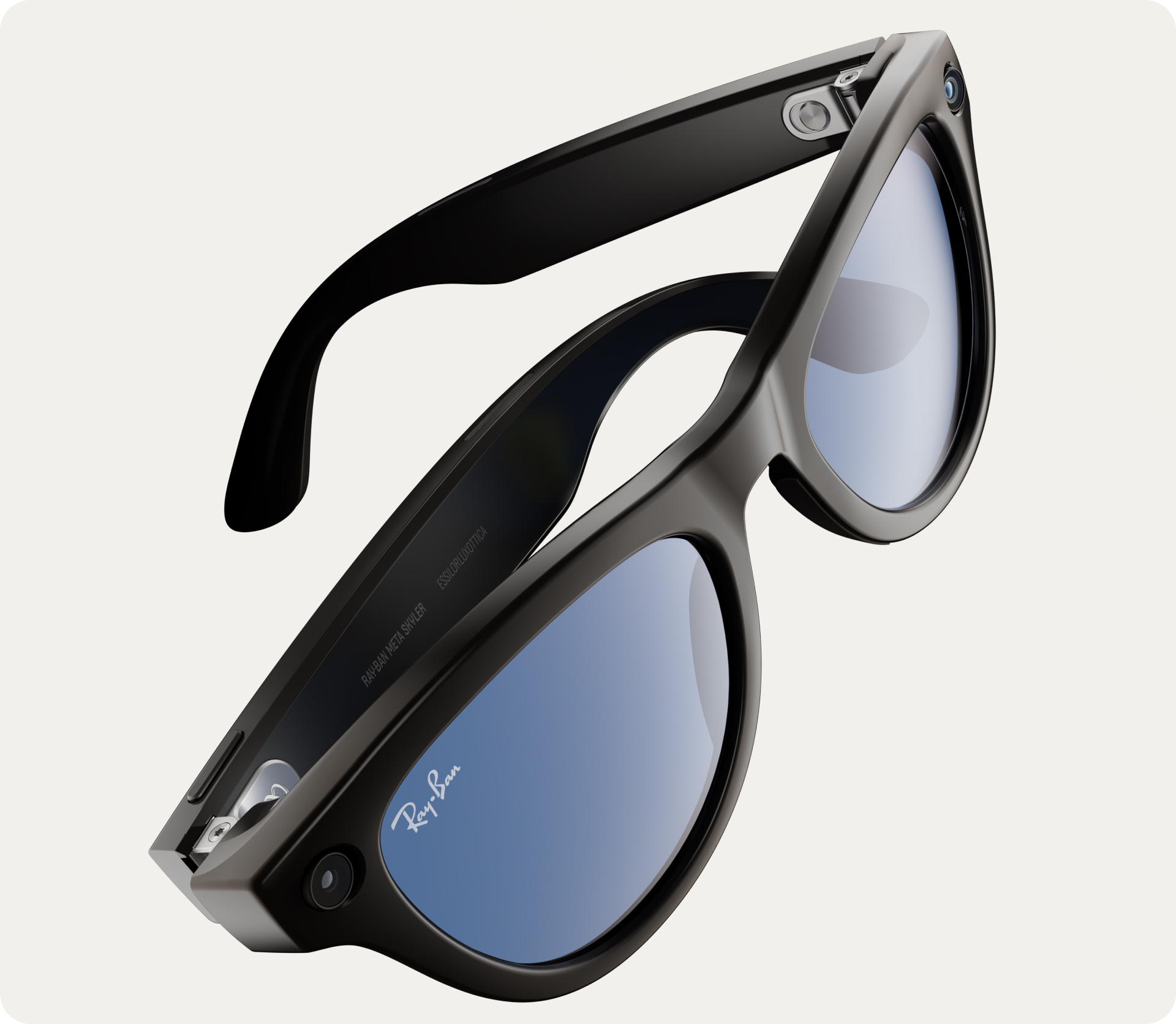
Samsung and Google are about to crash the smart glasses party. The Galaxy Glasses — Samsung's first smart eyewear, built on Google's Android XR platform with Gemini AI at the core — will be unveiled at Galaxy Unpacked on July 22 with a starting price of $379. That puts them in a direct collision with the Meta Ray-Ban, which also starts at $379. So which pair deserves your money?
Galaxy Glasses
12MP Sony IMX681 camera, Gemini AI on Android XR, photochromic lenses, ~50g. Pre-orders open July 22 from $379.
Meta Ray-Ban
12MP camera, Meta AI, iconic Ray-Ban design, prescription lens options. Available now from $379 on Amazon.
Compare Next
Check our smart glasses guide or the compare hub to see every option side by side.
What Do the Galaxy Glasses Actually Do?
At their core, the Galaxy Glasses are a camera-equipped, AI-powered audio wearable — not an AR headset. There is no built-in display. Everything flows through audio: Gemini reads you directions, identifies objects you photograph, translates conversations in real time, and answers questions using what the camera sees. Think of them as a voice-first AI assistant that happens to live on your face instead of in your pocket.
The hardware includes a 12MP Sony IMX681 camera with autofocus, a Qualcomm Snapdragon AR1 processor, stereo speakers, multiple microphones, and photochromic lenses that darken in sunlight. Weight comes in at roughly 50 grams — light enough for all-day wear, though heavier than the ultralight Even Realities G2 at 35g. Battery is estimated at 4–5 hours of mixed use from a ~155mAh cell.
How Do They Compare to Meta Ray-Ban?
The Meta Ray-Ban has been the undisputed king of smart glasses since its Gen 2 launch, selling nearly 10 million units. Here is how the Galaxy Glasses stack up:
- AI Assistant: Galaxy Glasses use Gemini (Google's multimodal AI); Meta Ray-Ban uses Meta AI. Both can identify objects, answer visual questions, and translate. Gemini's advantage is deeper Google ecosystem integration — Maps, Search, Gmail. Meta AI's advantage is tighter social integration with Instagram and WhatsApp.
- Camera: Both have 12MP cameras. The Galaxy Glasses use Sony's IMX681 sensor with autofocus; Meta Ray-Ban uses an Omnivision sensor. Real-world quality comparison will have to wait for reviews.
- Design: Meta Ray-Ban has the iconic Wayfarer frame design and offers prescription lenses through LensCrafters. Galaxy Glasses use photochromic lenses but prescription details aren't confirmed yet.
- Ecosystem: Galaxy Glasses work with Android and iPhone but pair best with Samsung Galaxy devices, including Galaxy Watch control. Meta Ray-Ban works with both platforms and integrates with Meta's social apps.
- Privacy: Meta recently rolled out a mandatory update that disables the camera if the privacy LED is tampered with. Samsung's privacy approach for Galaxy Glasses hasn't been detailed yet.
What About Camera-Free Alternatives Like Even Realities G2?
Not everyone wants a camera on their face. The Even Realities G2 takes the opposite approach: no camera, no speakers, just a monochrome heads-up display showing text notifications, navigation, and translations directly in your line of sight. At 35 grams, it is the lightest smart glasses available and genuinely looks like a regular pair of glasses. Even Realities just hit $1 billion valuation with $150M in funding — a sign the camera-free approach has legs.
The trade-off is clear: the G2 gives you a display(something neither Galaxy Glasses nor Meta Ray-Ban offer) but can't take photos, record video, or identify objects visually. If you primarily want discreet notifications, real-time translation text, and navigation arrows in your field of view, the G2 wins. If you want an AI camera assistant, Galaxy Glasses or Meta Ray-Ban are the play.
Should You Pre-Order Galaxy Glasses or Wait?
Here is our recommendation based on where you stand:
- Pre-order Galaxy Glasses if: You are a Samsung Galaxy or Android-first user, you want Gemini AI integration, and you value the Google ecosystem (Maps, Search, Translate). Reserve now for a $30 Samsung credit — there is no obligation to buy.
- Buy Meta Ray-Ban now if: You want proven hardware that has been refined over two generations, you use Instagram or WhatsApp heavily, or you need prescription lenses today. The Meta Ray-Ban is $379 on Amazon and ships immediately.
- Wait if: You specifically want a display in your smart glasses. Samsung's own 2027 model will add a micro-LED display at $600–$900, and Meta is expected to reveal display-equipped Gen 3 glasses at Meta Connect in September.
For display glasses available today, the XREAL One Pro at $599 is the best option — though it targets entertainment rather than everyday AI assistance.
The Bottom Line
Samsung Galaxy Glasses are a credible first entry into a category Meta has dominated. At $379, they match the Meta Ray-Ban on price and camera resolution while offering Google's Gemini AI — arguably the more capable assistant for information retrieval and real-world tasks. The missing display is a deliberate choice: Samsung is using the first generation to build the ecosystem before adding visual AR in 2027.
For Android users, Galaxy Glasses could be the smarter buy. For everyone else, Meta Ray-Ban remains the safer, proven option. Either way, smart glasses just got a lot more competitive — and that is good news for buyers. Compare all options in our smart glasses guide.
Related Articles
Smart Glasses FAQ
Samsung Galaxy Glasses: Common buyer questions
Quick answers about pricing, specs, compatibility, and how Galaxy Glasses compare to Meta Ray-Ban and other smart glasses.
When can I pre-order Samsung Galaxy Glasses?
Samsung Galaxy Glasses will be announced at Galaxy Unpacked on July 22, 2026, with pre-orders opening the same day. You can reserve now at Samsung.com for a $30 credit. Retail availability is expected in fall 2026.
Do Samsung Galaxy Glasses have a display?
No, the first-generation Galaxy Glasses are audio-only with no built-in display. Samsung is planning a display-equipped model with micro-LED for 2027 at a higher price point of $600 to $900.
How do Samsung Galaxy Glasses compare to Meta Ray-Ban?
Both start around $379 and include cameras and AI assistants. Galaxy Glasses use Gemini on Android XR while Meta Ray-Ban uses Meta AI. Galaxy Glasses offer a 12MP camera vs Meta's 12MP, photochromic lenses, and work with both Android and iPhone. Meta Ray-Ban has a more established app ecosystem and prescription lens options.
Can Samsung Galaxy Glasses work with iPhone?
Yes, Samsung Galaxy Glasses pair with both Android phones and iPhones via Bluetooth and Wi-Fi. However, some features like Galaxy Watch integration and seamless Samsung Health syncing are exclusive to Samsung Galaxy devices.
Are Samsung Galaxy Glasses worth buying without a display?
For most buyers, yes. The AI camera, Gemini integration, real-time translation, and navigation prompts work through audio. If you specifically need visual AR overlays, wait for the 2027 display model or consider the XREAL One Pro at $599.