

Garmin Fenix 9 AMOLED Solar Patent 2026: Should You Wait or Buy Fenix 8 Now?
Garmin may have solved the smartwatch industry's most frustrating trade-off. A newly surfaced patent describes a method for combining AMOLED displays with solar charging — technology that would end the choice between a vibrant screen and multi-week battery life. If this reaches the upcoming Fenix 9, it could be the most significant upgrade in GPS watch history. But should you wait, or buy the proven Garmin Venu 4 or Fenix 8 today?
The Breakthrough
Perovskite solar cells layered over AMOLED display — vibrant screen plus solar charging in one watch, potentially 30+ day battery.
Expected Launch
August to October 2026, starting around $999. No FCC filing yet, but Garmin CEO confirmed major H2 outdoor launches.
Buy Now Instead?
Garmin Venu 4 at $549 or Apple Watch Ultra 3 at $609 are excellent now.
What Does the AMOLED Solar Patent Actually Describe?
The patent proposes a novel approach to the problem Garmin has acknowledged for years: you cannot simply stick solar cells on top of an AMOLED panel without ruining the display quality. Garmin's solution involves three key innovations:
- Perovskite solar material — unlike the silicon-based Power Glass used in current Garmin Solar watches, perovskite is highly efficient in low-light and cloudy conditions, and can be applied in extremely thin layers
- Microscopic pillars and hydrophobic channels — these structures are built around or above the AMOLED pixels, allowing liquid perovskite to flow through without obscuring the display
- Transparent integration — the goal is for users to see a normal, vibrant AMOLED screen while the solar layer quietly harvests ambient light in the background
If this works as described, Garmin could deliver a watch with the deep blacks and vivid colors of AMOLED alongside the multi-week battery life of solar MIP — something no competitor has achieved. The patent suggests 30+ days of battery with always-on display, which would be a category-defining achievement.
Why Does This Matter for Garmin Buyers?
Today, Garmin forces buyers to make a painful choice. The Fenix 8 comes in two variants:
- Fenix 8 AMOLED ($999) — gorgeous, vibrant display with touch and button controls, but "only" 29 days battery in smartwatch mode (less with GPS active)
- Fenix 8 Solar/MIP ($1,099) — longer battery life with solar charging, but a dim, washed-out display compared to AMOLED
This trade-off has frustrated runners, hikers, and outdoor athletes for years. The AMOLED buyers envy Solar buyers' endless battery; Solar buyers envy AMOLED buyers' beautiful maps and data screens. If the Fenix 9 combines both, Garmin sells one watch instead of two — and buyers no longer have to compromise.
What Else Could the Fenix 9 Include?
Beyond the AMOLED solar display, Garmin's recent patent filings and trademark activity suggest several additional Fenix 9 features:
- Muscle Battery: A trademarked Garmin metric that likely tracks muscle readiness and fatigue across workout sessions, building on the existing Body Battery concept
- Blood sugar estimation: Patents reference tracking blood glucose trends using pulse spectroscopy — non-invasive, without a needle or CGM sensor
- Hydration and hematocrit monitoring: Sensor-based hydration status and blood composition tracking through the skin
- Improved processor: A refined chipset for snappier map rendering, faster route calculation, and better always-on display efficiency
Not all of these will necessarily ship with the Fenix 9 — patent filings show research direction, not confirmed features. But the AMOLED solar display and Muscle Battery metric have the strongest signals.
How Does the Fenix 9 Compare to Other Premium Smartwatches?
The Fenix 9 will compete in the premium outdoor watch segment against several strong alternatives:
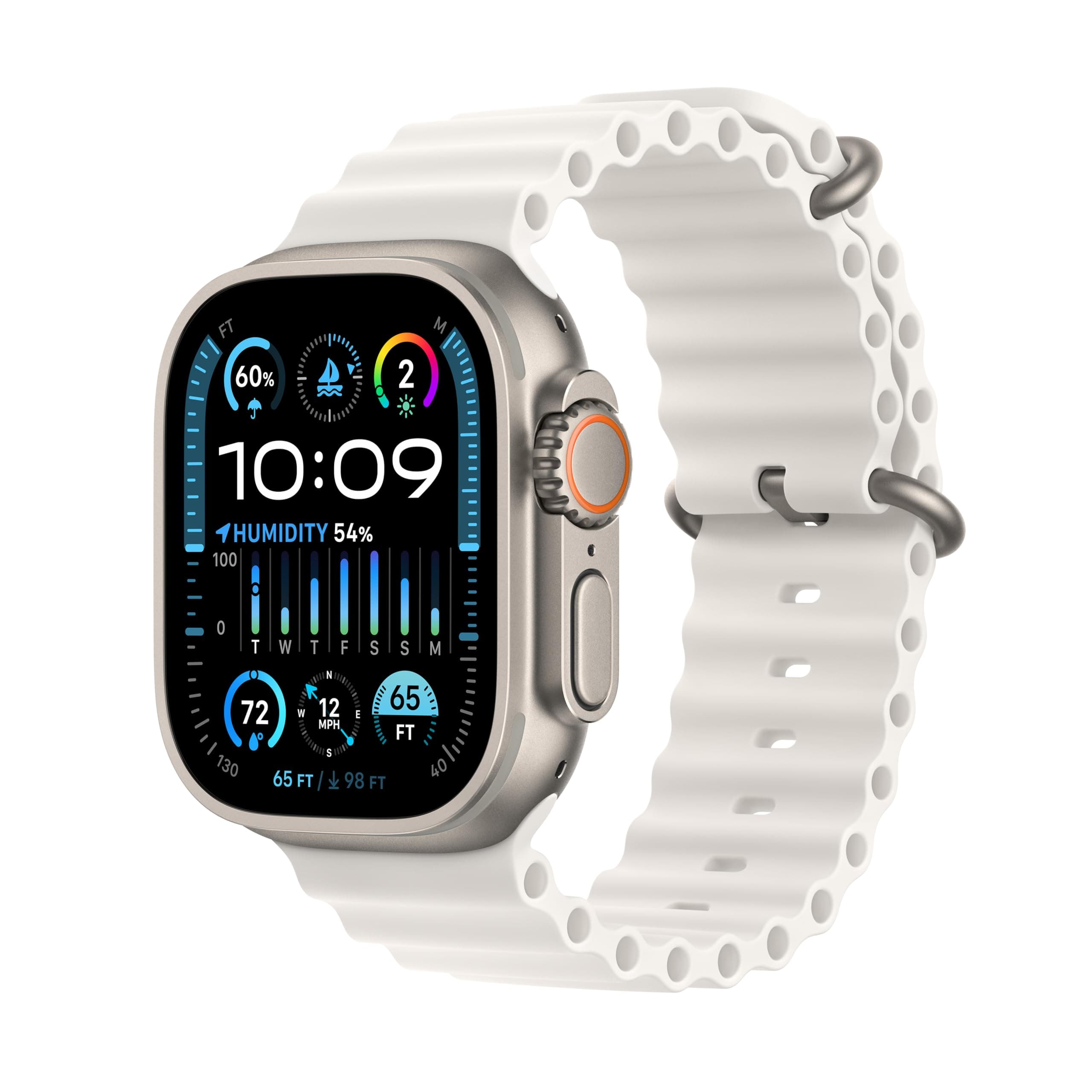
- Apple Watch Ultra 3 — the best smartwatch for iPhone users with 36–72 hour battery, rugged build, and the best app ecosystem, at $609 on Amazon
- Samsung Galaxy Watch Ultra — the Android equivalent with strong fitness tracking and Galaxy ecosystem integration, at $639 on Amazon
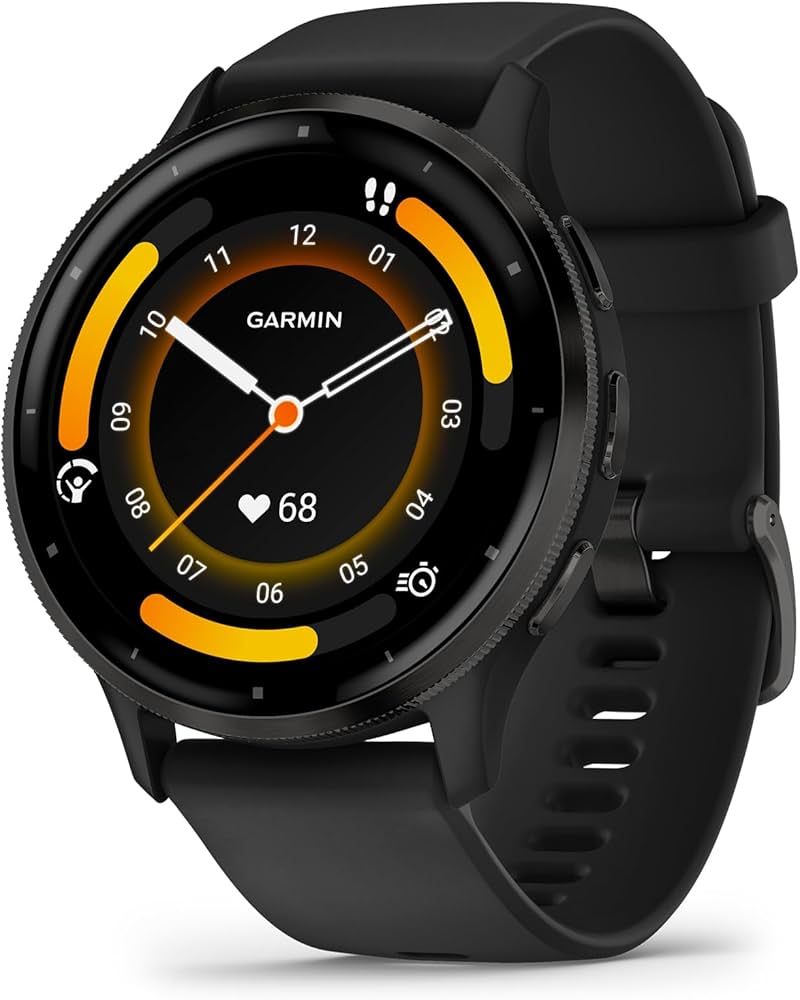
- Garmin Venu 4 — Garmin's AMOLED lifestyle watch with excellent fitness tracking at a lower price, $549 on Amazon
The Fenix 9 targets a different buyer than Apple or Samsung watches. If you run ultramarathons, hike multi-day trails, or need offline mapping with weeks of battery life, nothing else competes. If you want a smartwatch that handles calls, messages, and apps alongside fitness, the Apple Watch Ultra 3 or Apple Watch Series 11 at $259 are better fits.
Should You Wait for Garmin Fenix 9 or Buy Now?
Here's our recommendation based on your situation:
- Wait for Fenix 9 if you're a serious outdoor athlete who wants the best possible GPS watch and the AMOLED + solar combination is a must-have — the 4–6 month wait is worth it for a generational upgrade
- Buy Fenix 8 AMOLED now if you need a premium GPS watch today — it's still the best endurance watch on the market and will receive software updates alongside Fenix 9
- Buy Garmin Venu 4 if you want Garmin's fitness ecosystem at a more accessible price point — at $549, it's nearly half the Fenix price with an excellent AMOLED display
- Buy Apple Watch Ultra 3 if you use an iPhone and want the best all-around smartwatch — at $609, it's cheaper than a Fenix with better everyday smart features
The bottom line: the AMOLED solar patent is exciting and could be transformative, but it's still a patent — not a confirmed product feature. If Garmin delivers, the Fenix 9 will be the ultimate GPS watch. If not, the Fenix 8 AMOLED is already outstanding. Don't let a patent filing stop you from training with the best tools available today. Compare all smartwatches in our smartwatch comparison.
Related Articles
Garmin Fenix 9 FAQ
Common questions about the upcoming Garmin Fenix 9
Quick answers about the AMOLED solar patent, launch timing, pricing, and whether you should wait to buy.
When will the Garmin Fenix 9 be released?
Garmin has not announced a release date, but CEO Cliff Pemble told analysts to expect major outdoor launches in the second half of 2026. Based on Garmin's release cadence, the Fenix 9 announcement is most likely between August and October 2026, with availability shortly after.
Will the Garmin Fenix 9 really combine AMOLED and solar charging?
A Garmin patent describes layering perovskite solar cells over an AMOLED display using microscopic pillars and hydrophobic channels. This would let the watch harvest light without obscuring the screen. However, a patent doesn't guarantee a shipping product — it's possible this technology arrives in a later model if it's not ready for mass production.
How much will the Garmin Fenix 9 cost?
Pricing hasn't been confirmed, but the Fenix 8 AMOLED starts at $999.99 and the Solar/MIP starts at $1,099.99. Expect the Fenix 9 to match those entry points, with titanium and sapphire variants likely pushing $1,299 to $1,499.
Should I wait for Garmin Fenix 9 or buy Fenix 8 now?
If you need a premium GPS watch today, the Fenix 8 AMOLED is still the best option for most outdoor athletes. If you specifically want the AMOLED + solar combination and can wait 4-6 months, the Fenix 9 could be worth it. For most buyers, the Garmin Venu 4 at $549 is a more affordable option with excellent fitness tracking.
How does the Garmin Fenix 9 compare to the Apple Watch Ultra 3?
The Garmin Fenix 9 targets serious outdoor athletes with multi-week battery life, advanced route planning, and sport-specific metrics. The Apple Watch Ultra 3 at $609 offers a better smartwatch experience with deeper iPhone integration but shorter battery life (36-72 hours). Choose Garmin for endurance sports and Apple for everyday versatility.