Smartwatch Sonar Hand Tracking 2026: What Cornell's WatchHand Means for Wearables
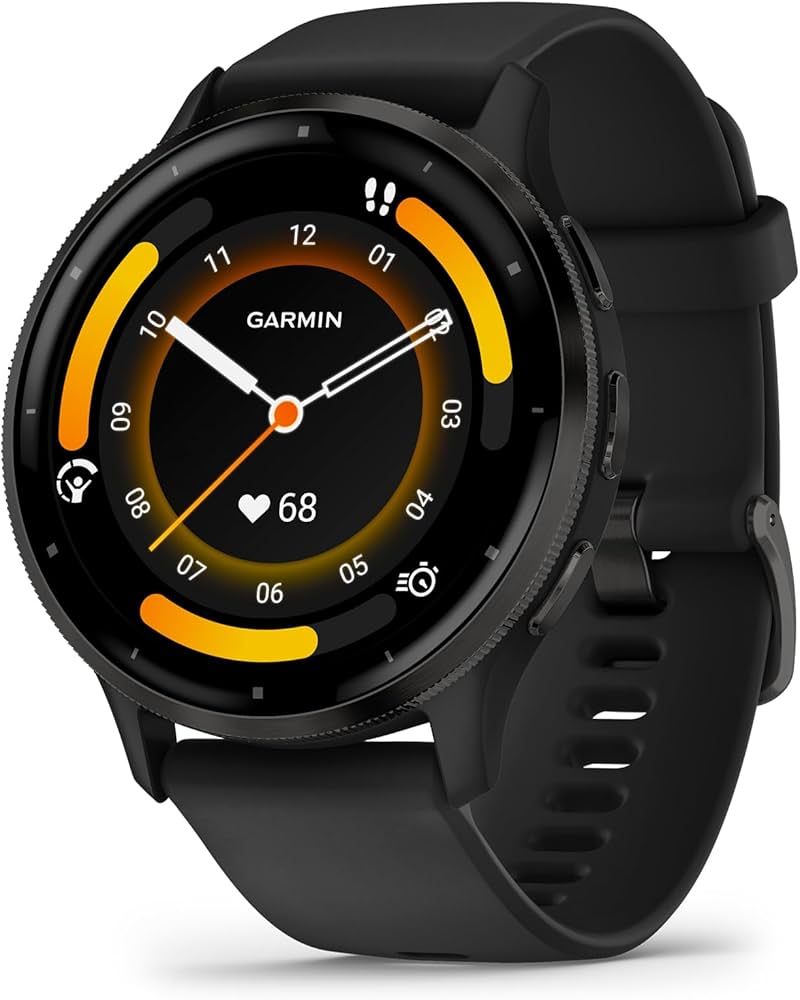
Your next smartwatch might let you control your computer, navigate AR menus, or send messages — all by moving your hand. Researchers at Cornell University and KAIST have built WatchHand, a system that turns ordinary off-the-shelf smartwatches into real-time hand-tracking controllers using nothing but built-in speakers, microphones, and AI. No extra hardware needed.
The Breakthrough
First-ever hand-pose tracking on stock smartwatches using inaudible sonar and on-device AI. No additional hardware required.
Compatibility
Currently works on Android smartwatches only. Tested across multiple models, right and left hands, and noisy conditions.
Impact
Could enable gesture control for AR/VR, smart home devices, accessibility tools, and PC interaction — all from your wrist.
How Does Sonar Hand Tracking Work on a Smartwatch?
The concept is elegant. WatchHand uses the smartwatch's built-in speaker to emit inaudible high-frequency sound waves — essentially micro sonar. These waves bounce off the wearer's hand and return to the watch's microphone, creating a unique echo profile. A machine learning model running directly on the watch processes these echoes in real time to estimate the hand's pose in three dimensions.
The key innovation is that everything runs on the device itself — no cloud processing, no external sensors, no additional hardware. The sonar is inaudible to humans, so it does not interfere with music playback or phone calls. The ML model was trained on 36 hours of gesture data from 40 participants across four separate studies.
What Can It Track and What Are the Limitations?
WatchHand reliably tracks finger movements and wrist rotations across multiple smartwatch models. It was tested on both right and left hands and in noisy environments, performing well in each scenario. However, there are notable limitations:
- Walking: The system struggles to accurately track hand poses when the user is walking, as arm swing introduces noise into the sonar signal
- Rapid movements: Very fast hand movements can outpace the sampling rate
- Platform: Only Android smartwatches have been tested — no Apple Watch support yet
- Research stage: This is a university project, not a commercial product — there is no app to download today
Why Does This Matter for Smart Glasses and AR/VR?
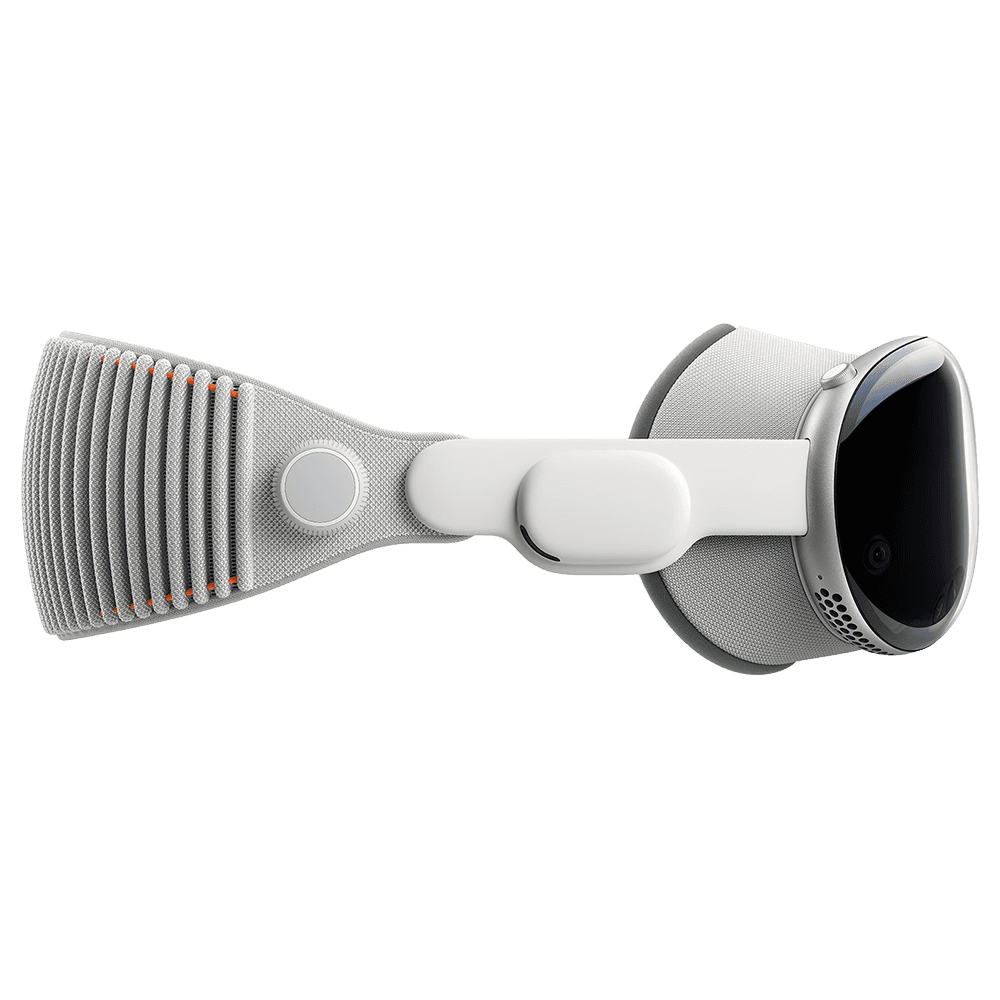
One of the biggest challenges in AR/VR is input. How do you interact with virtual menus, type messages, or select objects when your eyes are occupied by a headset or smart glasses? Current solutions range from handheld controllers (Meta Quest) to eye tracking (Apple Vision Pro) to neural wristbands (Mudra, which just partnered with Meta-Bounds for AR glasses control).
WatchHand offers a compelling alternative: use a watch you already own as a gesture input device. Pair a Pixel Watch 3 with the upcoming XREAL Aura AR glasses running Android XR, and you could navigate spatial interfaces with natural hand gestures — no extra hardware in your pocket. That is a significantly more practical form factor than any controller-based system.
Which Smartwatches Could Get Hand Tracking First?
Since WatchHand works on existing hardware, the path to commercialization is a software update — not a new device. The most likely candidates:
- Google Pixel Watch 4/3: Google's close ties to academic AI research and Wear OS platform control make it the most plausible early adopter. The Pixel Watch 3 is currently $154 on Amazon.
- Samsung Galaxy Watch Ultra: Samsung's investment in Wear OS and Galaxy ecosystem integration makes it another strong candidate. The Galaxy Watch Ultra is $639 on Amazon.
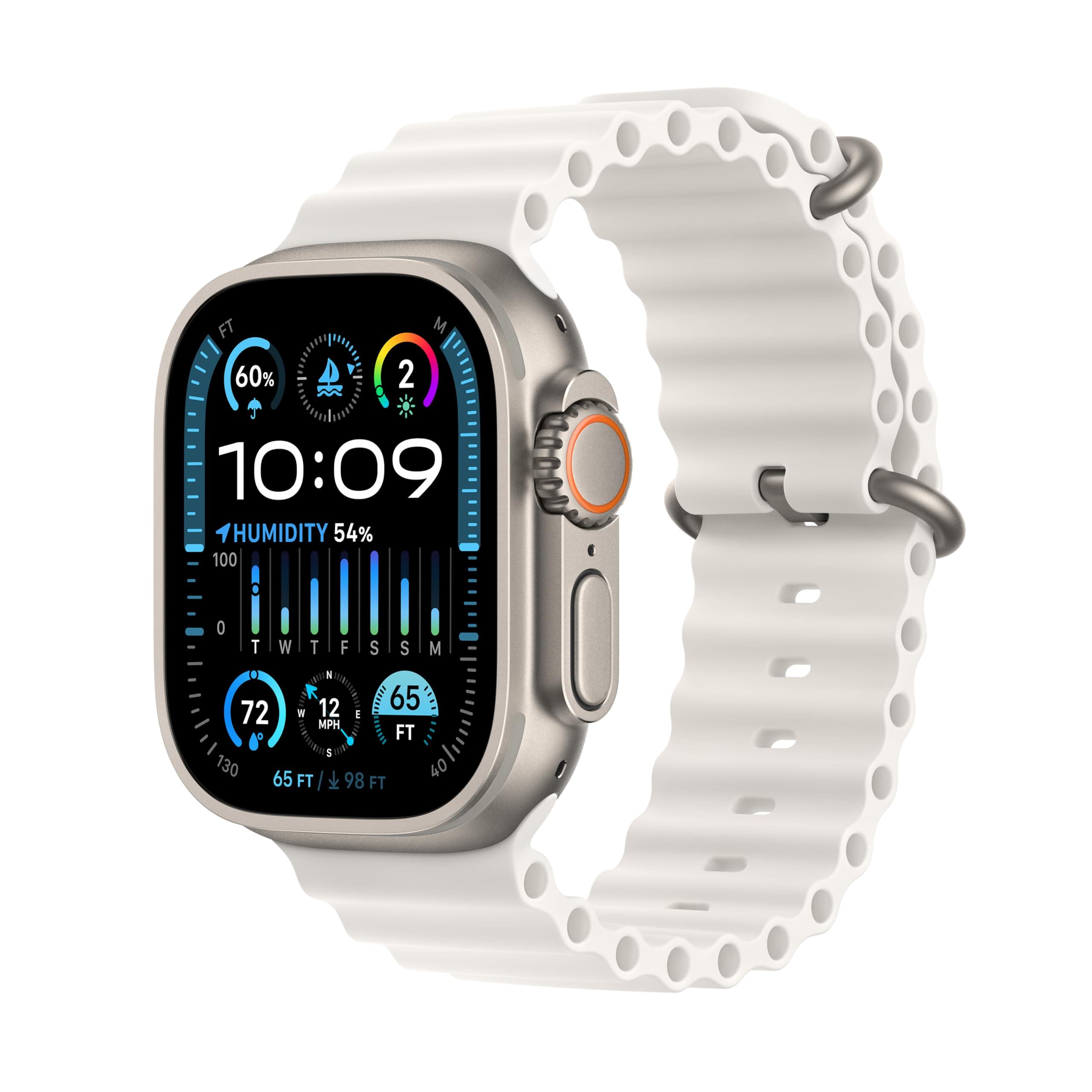
- Apple Watch: Apple has not been part of this research, but the hardware exists. Apple could independently develop a similar feature for watchOS, especially given its investment in Vision Pro spatial computing.
What Should Smartwatch Buyers Do Now?
Do not buy a smartwatch specifically for hand tracking — it is not available yet. But if you are already in the market for a new watch, choosing an Android-based Wear OS device positions you to potentially benefit from this technology when it ships. The Pixel Watch 3 at its current $154 deal price and the Apple Watch Series 11 at $259 are both strong options at current prices. Compare all smartwatches in our smartwatch reviews or use the compare tool.
Related Articles
Hand Tracking FAQ
Common questions about smartwatch hand tracking
Quick answers about the WatchHand sonar system and what it means for your next smartwatch purchase.
How does WatchHand track hand movements with a smartwatch?
WatchHand uses the smartwatch's built-in speaker to emit inaudible sonar waves. These bounce off your hand and return to the microphone, creating an echo profile. An on-device AI model processes these echoes in real time to estimate hand pose in three dimensions.
Does WatchHand work on Apple Watch?
Not currently. WatchHand was developed and tested on Android smartwatches. Apple Watch support has not been demonstrated, though the underlying hardware (speakers and microphones) exists on Apple Watch as well.
When will smartwatch hand tracking be available to consumers?
WatchHand is currently a research project from Cornell and KAIST. There is no confirmed timeline for commercial deployment, but the technology works on existing hardware, meaning it could potentially arrive as a software update rather than requiring new devices.
Can WatchHand track hand gestures while walking?
WatchHand performs well in noisy environments but has difficulty tracking hand poses during walking. Motion from the user's arm introduces noise into the sonar signal that the current model struggles to separate from actual hand movements.
What smartwatches could get hand tracking first?
The Pixel Watch and Samsung Galaxy Watch are the most likely candidates, as both run Wear OS on Android and have the required speaker and microphone hardware. Google and Samsung's close partnership with university research labs makes early adoption plausible.