Garmin Fenix 9 Gets LTE and Satellite: Should You Wait for September or Buy a Watch Now?
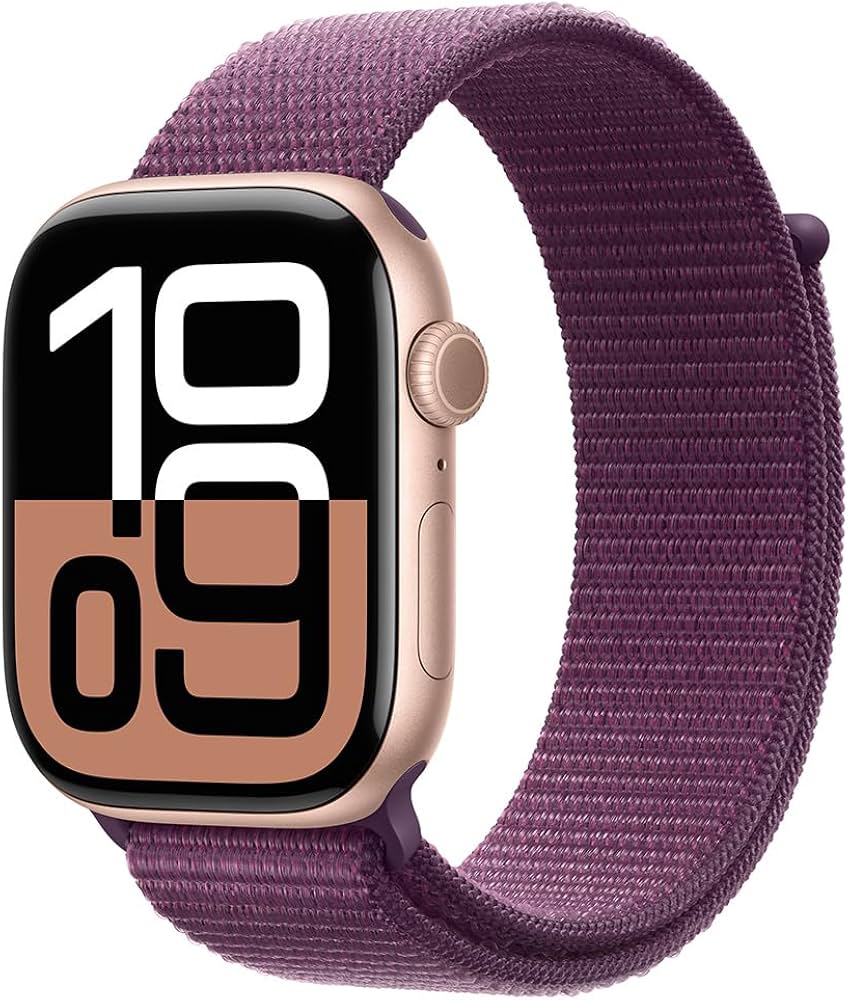
For the first time in the Fenix line's history, Garmin is adding cellular and satellite connectivity to its flagship outdoor watch. An FCC filing approved on August 5 confirms the Garmin Fenix 9 Pro will ship with LTE-M for calls and data, plus NB-NTN satellite for messaging in areas without cell service. Combined with earlier regulatory filings and app code leaks, the picture is now clear: four Garmin outdoor watches launch in September 2026.
Connectivity
LTE-M (bands 2/4/12) with voice + NB-NTN satellite (bands 23/255) for data — a first for any Fenix.
September Lineup
Four devices: Fenix 9 AMOLED, Fenix 9 MIP-Solar, Fenix E 2, and Enduro 4. Fenix 9 Pro (satellite) may follow early 2027.
Estimated Price
$900-$1,300 depending on model. Compare all smartwatches.
What Did the FCC Filing Reveal?
The FCC approved model A05170 (FCC ID: IPH-05170) on August 5, 2026. The SAR report confirms it's a wrist-worn portable digital transceiver — unmistakably a smartwatch. But the radio capabilities set it apart from anything Garmin has shipped before.
LTE-M on bands 2, 4, and 12 enables cellular voice and data through carriers like AT&T, T-Mobile, and Verizon in the US. This means the Fenix 9 Pro can make and receive phone calls, send texts, and sync data — all without being tethered to a phone. Until now, LTE has been the exclusive domain of Apple Watch, Galaxy Watch, and a handful of Wear OS devices. Garmin entering this space is a major shift.
NB-NTN satellite on bands 23 and 255 adds satellite messaging capability for areas without cellular coverage. For backcountry hikers, trail runners, and mountaineers, this could replace standalone satellite communicators like the Garmin inReach Mini 2 — integrating that functionality directly into the watch.
The Four September Launches, Explained
Combining the FCC filing with earlier Indonesian telecom registrations, Garmin Connect app code, and CEO Cliff Pemble's investor call hints, the September lineup shapes up as:
Fenix 9 AMOLED — The mainstream flagship. Expect Garmin's best AMOLED display, multi-band GPS, and the new processor spotted in FCC testing. This will be the direct successor to the Fenix 8 AMOLED and the watch most buyers should target.
Fenix 9 MIP-Solar — For battery-first buyers. The memory-in-pixel display with integrated solar cells delivers weeks of runtime in exchange for a less vibrant screen. Ideal for thru-hikers and multi-day expedition athletes.
Fenix E 2 — Garmin's entry-level outdoor watch. The original Fenix E launched at $499, so expect similar accessible pricing with updated internals.
Enduro 4 — The ultra-endurance specialist, continuing Garmin's two-year Enduro refresh cycle (Enduro 2 in Aug 2022, Enduro 3 in Aug 2024). MiP-Solar display, maximum battery life, designed for 100-mile races and multi-day adventures.
How Does Fenix 9 Compare to Galaxy Watch Ultra 2 and Apple Watch Ultra 3?
The Galaxy Watch Ultra 2 launched today at $699 with a Snapdragon Wear Elite chip, 5,000-nit display, and EN13319 scuba certification. The Apple Watch Ultra 3 sits at $640 on Amazon with the S10 chip, Action Button, and rugged titanium design.
The Fenix 9 will differentiate on battery life (days or weeks vs. hours), outdoor navigation (full topographic maps, breadcrumb tracking, ClimbPro), training analytics (Training Readiness, Training Status, race predictor), and now satellite connectivity. Where Samsung and Apple optimize for everyday smartwatch features, Garmin optimizes for athletic performance and wilderness survival.
Should You Wait for September or Buy a Smartwatch Today?
Wait if: You're an outdoor athlete who wants multi-day battery life, topographic maps, and serious training analytics. The Fenix 9 is weeks away and will be the most capable outdoor watch ever made — and now with LTE and satellite for the Pro model.
Buy now if: You want a smartwatch for everyday use with app support, notifications, and phone integration. The Galaxy Watch 9 at $379 and Apple Watch Series 11 at $299 are excellent choices that ship today.
Avoid buying a current Garmin Fenix 8: At $900+, purchasing a Fenix 8 today when the Fenix 9 is confirmed for September would be poor timing. If you need a Garmin right now, the Garmin Venu 4 at $540 is a strong AMOLED option that won't be directly replaced in September.
Read our fall 2026 smartwatch comparison, check Garmin pricing, or use the compare hub to shortlist watches.
Related Articles
Garmin Fenix 9 FAQ
Common questions about the Garmin Fenix 9
Quick answers covering release date, LTE, satellite, pricing, and how the Fenix 9 compares to Samsung and Apple alternatives.
When does the Garmin Fenix 9 come out?
FCC filings, Indonesian telecom registrations, and Garmin Connect code all point to a September 2026 launch for the Fenix 9 AMOLED, Fenix 9 MIP-Solar, Fenix E 2, and Enduro 4. The satellite-equipped Fenix 9 Pro may follow separately in early 2027.
Will the Garmin Fenix 9 have LTE cellular connectivity?
Yes. FCC filing A05170, approved August 5, confirms LTE-M bands 2, 4, and 12 with voice capability for the Fenix 9 Pro. This will be the first Fenix with built-in cellular calling and data.
Does the Garmin Fenix 9 have satellite connectivity?
The FCC filing confirms NB-NTN satellite on bands 23 and 255 for data transmission. This means the Fenix 9 Pro can send messages via satellite in areas without cell coverage — similar to the iPhone 14's Emergency SOS via Satellite feature, but integrated into a watch.
How much will the Garmin Fenix 9 cost?
Garmin has not announced pricing, but based on test materials (vented titanium straps) and the Fenix 8 pricing history, expect the Fenix 9 base model around $900-$1,000 and the Fenix 9 Pro with LTE/satellite around $1,100-$1,300.
Should I buy a Galaxy Watch Ultra 2 now or wait for the Garmin Fenix 9?
If you need a smartwatch for everyday use with app support and notifications, the Galaxy Watch Ultra 2 at $699 is the better pick. If you prioritize multi-day battery life, advanced outdoor navigation, LTE, and satellite for backcountry use, waiting for the Fenix 9 in September is worth it.