HTC Vive Eagle vs Ray-Ban Meta: Is the $499 Newcomer Worth $200 More Than the Reigning Champ?
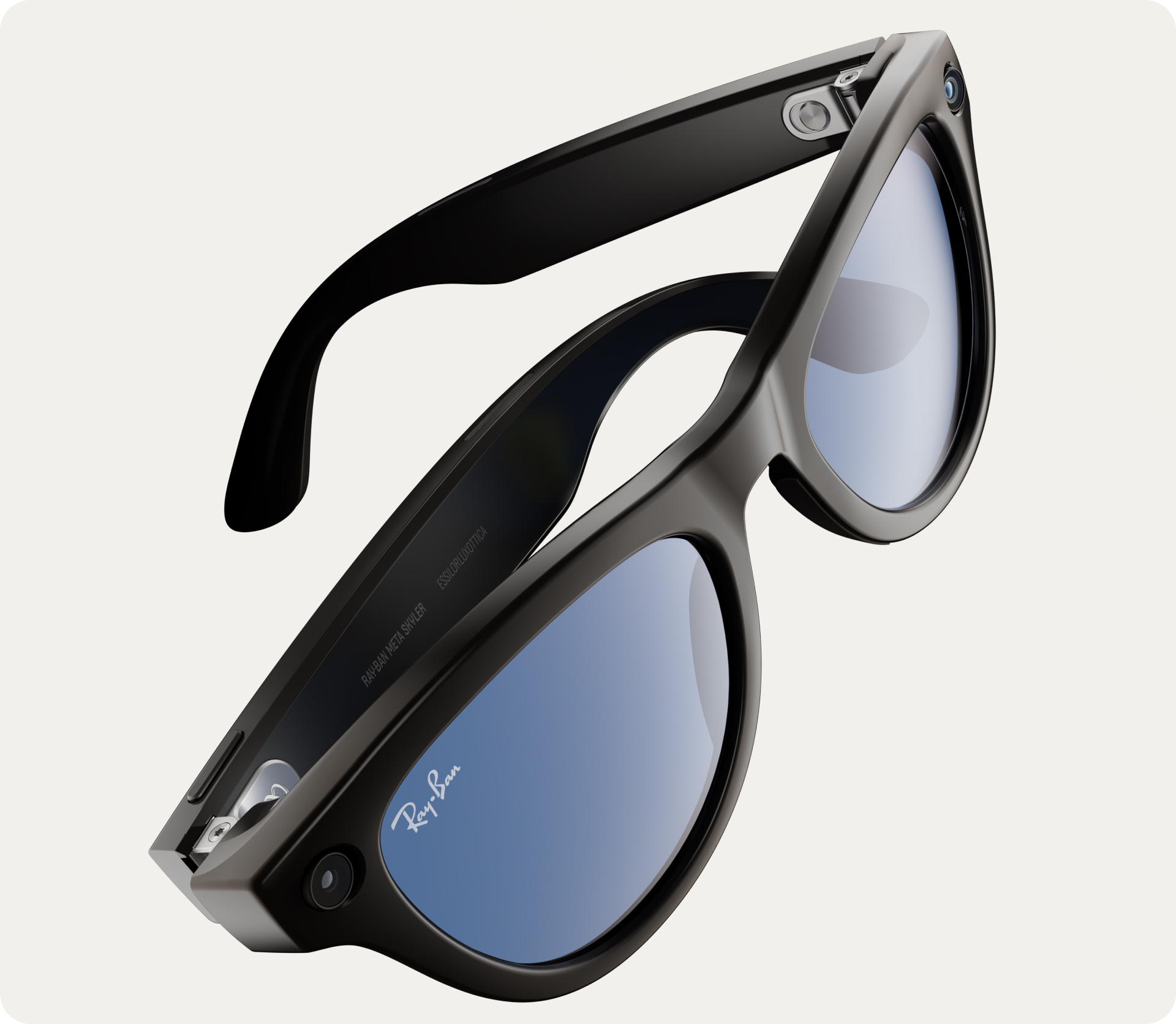
The smart glasses market finally has real competition from a major tech brand. On September 1, 2026, HTC launched the Vive Eagle at $499 — the company best known for VR headsets is now betting big on everyday wearables. It lands in a category that Ray-Ban Metahas dominated largely unchallenged since 2023. With both glasses packing the same Qualcomm chip and 12MP cameras, the question isn't whether the Vive Eagle is good — it's whether it's $200 better. Here's how they compare.
Best for Productivity
HTC Vive Eagle · $499 · Dual-model AI · 13-language live translation · Hands-free note-taking · 49g
Best for Social
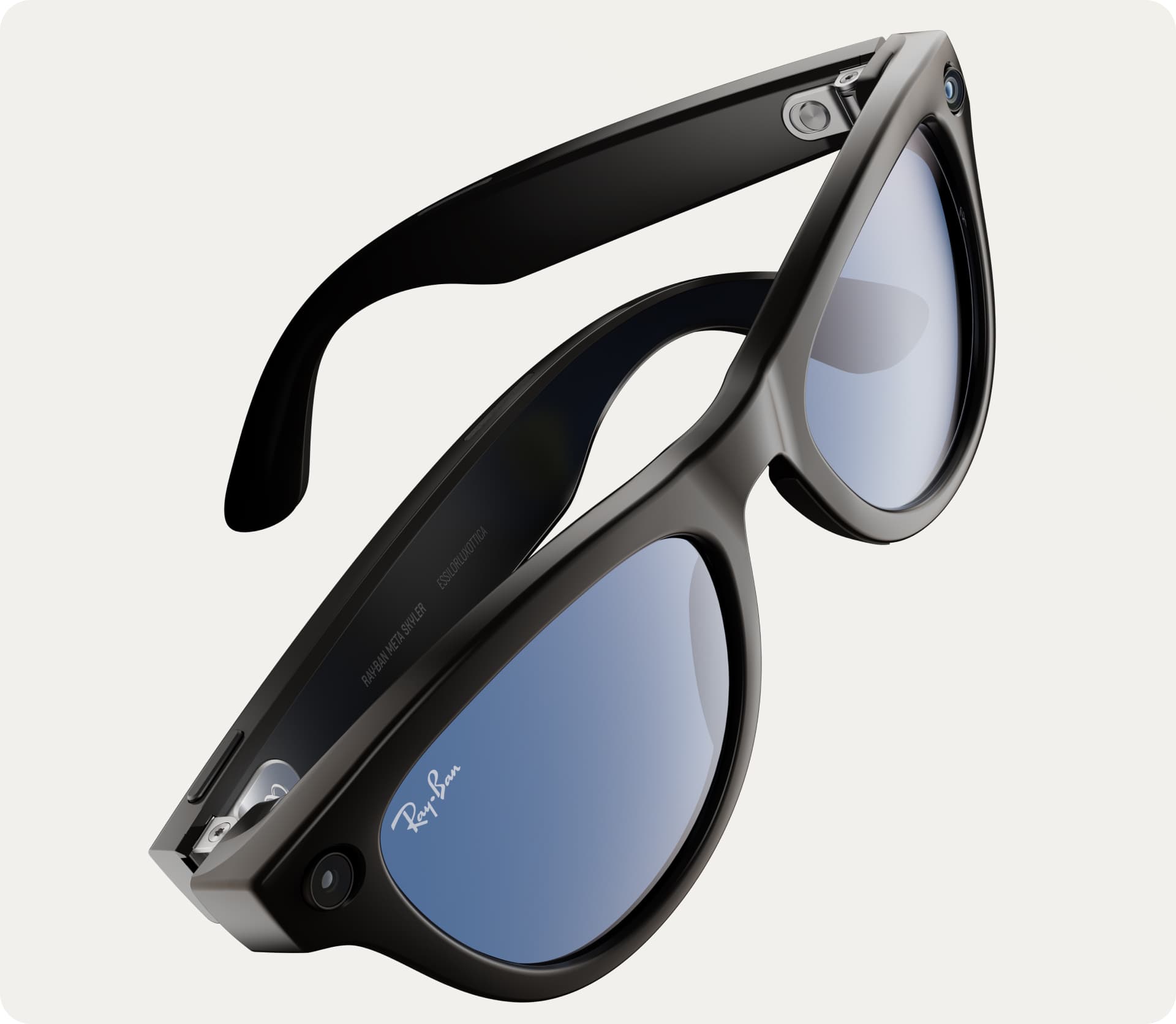
Ray-Ban Meta · $299-$379 · Meta AI · Instagram/WhatsApp integration · Live streaming · Iconic Wayfarer design
The Verdict
The Vive Eagle wins on AI muscle and translation. The Ray-Ban Meta wins on value, ecosystem maturity, and social features.
HTC Vive Eagle: What You Get for $499
HTC is no stranger to pushing boundaries — the original Vive helped launch consumer VR in 2016. The Vive Eagle represents the company's pivot toward lighter, everyday wearables. At 49 grams, these are among the lightest smart glasses with a camera and full AI stack.
The standout feature is HTC's dual-model generative AI. Rather than relying on a single language model, the Eagle runs two specialized models — one optimized for visual understanding (identifying objects, reading text, analyzing scenes) and another for conversational responses and task execution. In practice, this means faster, more accurate answers when you point the 12MP camera at a restaurant menu, a street sign in a foreign city, or a product label.
Live translation in 13 languages is the Vive Eagle's killer feature for travelers and multilingual professionals. The glasses listen through their microphones, process speech in real time, and deliver translated audio through directional speakers — no phone interaction required. HTC has also built in hands-free note-taking, allowing you to dictate meeting notes, reminders, and to-do lists that sync to your phone automatically.
Frame options include a rounded "Pantos" style and a classic Wayfarer-style silhouette, available in black, brown, red, and blue. For an extra $100 ($599 total), you can opt for photochromic lenses that darken automatically in sunlight — a genuinely useful upgrade for all-day outdoor wear.
Ray-Ban Meta: Still the Smart Glasses to Beat at $299
Two years after launch, the Ray-Ban Meta remains the smart glasses most people actually wear. At $299 for the entry model ($379 on Amazon for the Wayfarer), it offers a mature, polished experience that HTC has to match from day one.
Meta's software advantage is substantial. Three years of iterative updates have refined the camera pipeline, voice commands, and AI capabilities. Meta AI now handles visual identification, contextual questions, and creative tasks with impressive accuracy. More importantly for many buyers, the deep integration with Instagram, WhatsApp, and Messenger makes the glasses a genuine social device — you can post Stories, take hands-free calls, and live-stream directly to Facebook, all without reaching for your phone.
The Ray-Ban brand itself is a differentiator. With dozens of frame styles, lens options, and colors, these glasses look like regular Ray-Bans. Nobody stares at you on the street. That's a social advantage the Vive Eagle — with only four colors and two frame shapes — can't yet match.
Head-to-Head: How Do They Compare?
Camera:Both pack 12MP sensors with voice-triggered capture. The Ray-Ban Meta Gen 2 benefits from years of software tuning for color accuracy and stabilization. The Vive Eagle's camera hardware is competitive, but first-generation image processing rarely matches a refined rival. Expect Meta to win on video smoothness and the Eagle to hold its own on stills.
AI capabilities:This is where the $200 premium starts to justify itself. HTC's dual-model AI delivers faster visual recognition and more detailed scene descriptions than Meta AI in initial testing. The 13-language live translation is a genuine feature gap — Meta AI can translate text in photos but doesn't offer real-time conversational translation through the speakers. For note-taking and productivity workflows, the Vive Eagle is clearly ahead.
Battery:Both glasses deliver roughly 4-6 hours of mixed use with light AI queries and occasional photo capture. Heavy AI usage — continuous translation, frequent visual queries — drains both quickly. The Ray-Ban Meta's AI features cap at about 30 minutes of continuous use before needing a recharge, a limitation the Gen 3 is expected to address.
Design and comfort:At 49 grams, the Vive Eagle is competitive with the lightest camera-equipped smart glasses. The Ray-Ban Meta is slightly heavier but benefits from Ray-Ban's decades of ergonomic expertise — the nose pads, temple curve, and weight distribution feel broken-in from day one.
Ecosystem:Meta's ecosystem advantage is commanding. Instagram, WhatsApp, Messenger, and Facebook integration create a social flywheel no competitor can replicate. HTC's ecosystem is thinner — it connects to standard Android and iOS apps but lacks the deep first-party social hooks that make the Ray-Ban Meta sticky.
Should You Wait for Ray-Ban Meta Gen 3?
Meta Connect runs September 23-24, and the Ray-Ban Meta Gen 3is the headliner. Here's what the leaks tell us:
- Snapdragon AR1+ chip — a meaningful step up from the AR Gen 1 in both glasses reviewed here.
- Better camera — rumored iPhone 13-level photo quality, a significant jump from the current iPhone 11-level output.
- Extended AI battery life — hours of continuous AI use, compared to the current 30-minute cap.
- Two models: "Aperol" (sunglasses-focused) and "Bellini" (optical/prescription-ready).
If these specs hold, the Gen 3 could leapfrog the Vive Eagle on both camera quality and AI endurance — potentially at a similar or lower price. The risk of waiting is availability: new Meta products often sell out at launch and take weeks to restock. Check our Meta Connect 2026 guide for the latest updates.
The Verdict: Which Smart Glasses Should You Buy?
Buy the HTC Vive Eagle ($499) if: You need live translation for travel or work, you want the most capable AI assistant on smart glasses today, you prioritize hands-free note-taking and productivity, or you simply want the newest hardware from a company with deep XR expertise. The photochromic lens option at $599 is worth the upgrade for outdoor use.
Buy the Ray-Ban Meta ($299-$379) if: Value matters, you want Instagram/WhatsApp integration, you prefer more frame and lens options, or you're in Meta's social ecosystem. The software is polished, the design is iconic, and it's $120-$200 cheaper. Check the latest Ray-Ban Meta prices.
Wait two weeks if: You can hold off until Meta Connect (September 23-24). The Gen 3 could reset the entire comparison — better camera, longer AI battery, and a newer chip for potentially the same price. Browse all smart glasses or use the comparison tool to weigh your options side by side.
Related Articles
Smart Glasses FAQ
HTC Vive Eagle vs Ray-Ban Meta: Common Questions
Quick answers on pricing, AI features, live translation, and which pair to buy.
Is the HTC Vive Eagle worth $200 more than Ray-Ban Meta?
It depends on your priorities. The Vive Eagle justifies its $499 price with dual-model generative AI, live translation in 13 languages, and hands-free note-taking that outperform Meta AI for productivity. However, if you primarily want social features, music, and casual photo-taking, the Ray-Ban Meta at $299 delivers excellent value and a more mature software ecosystem.
Do HTC Vive Eagle and Ray-Ban Meta use the same chip?
Yes, both run on the Qualcomm Snapdragon AR Gen 1 platform. The hardware foundation is identical, but each manufacturer layers its own AI software on top — HTC uses a dual-model generative AI system while Meta uses Meta AI with deep social media integration.
Should I wait for Ray-Ban Meta Gen 3 instead of buying now?
If you can wait two weeks, it may be worth it. Meta Connect on September 23-24 is expected to reveal the Gen 3 with a better camera (iPhone 13-level quality), longer AI battery life, and the Snapdragon AR1+ chip. However, Gen 3 will likely cost $399 or more, and availability may be limited at launch.
Can the HTC Vive Eagle do live translation?
Yes. The Vive Eagle supports live translation in 13 languages, delivering real-time translated audio through its speakers during conversations. This is one of its strongest differentiators — Ray-Ban Meta currently supports translation through Meta AI but with a more limited and slower workflow.