Meta Connect 2026: Every Product Expected and What to Buy or Wait For
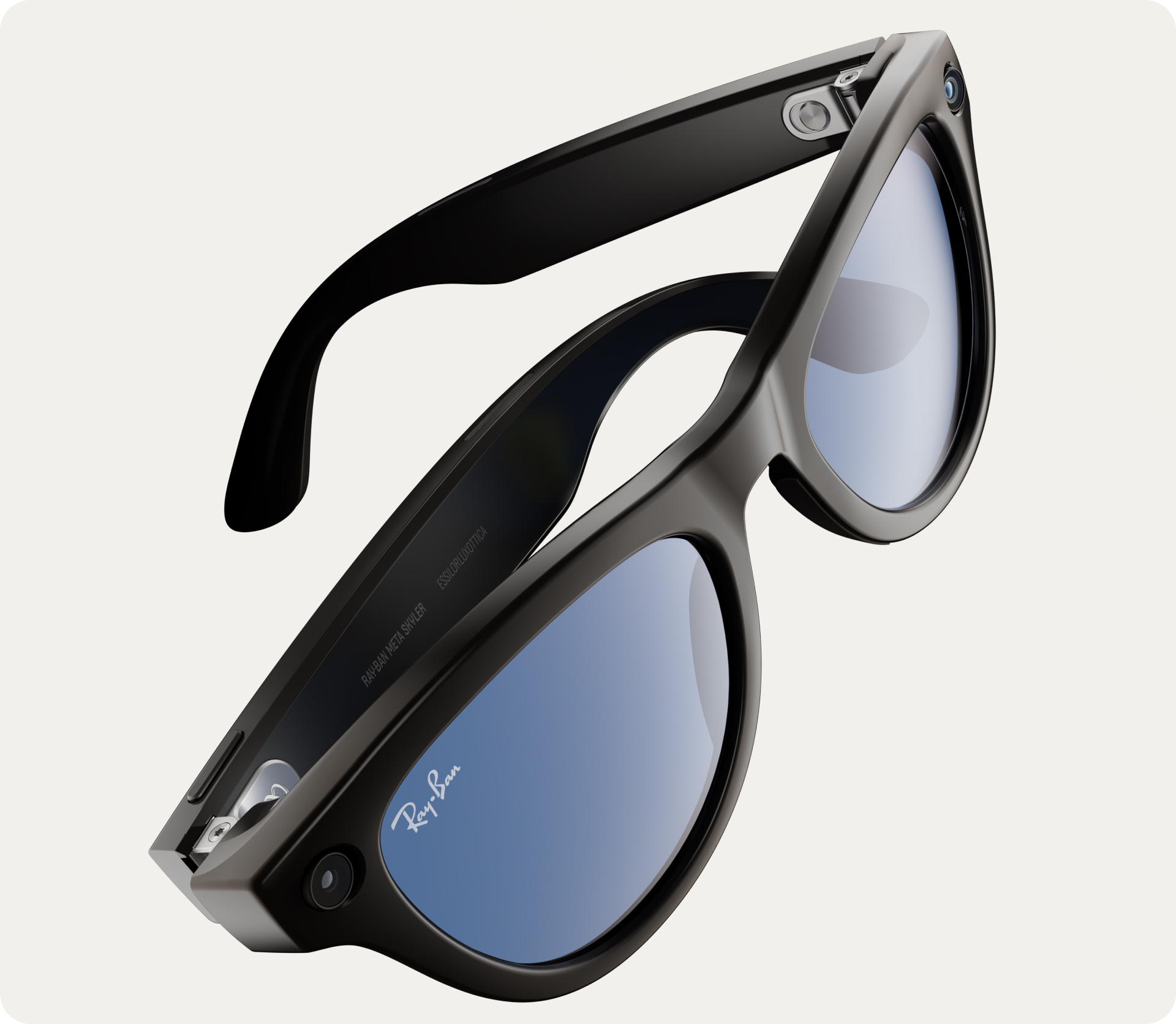
Meta Connect 2026 starts tomorrow, September 23 at 4PM PT, and Mark Zuckerberg's keynote is expected to unveil the biggest wearables lineup in Meta's history. From next-generation Ray-Ban smart glassesto a first-ever smartwatch with EMG gesture control, here's everything we expect — and our buying recommendations for each product.
The Event
September 23–24 from Menlo Park. Keynote at 4PM PT with livestream. Developer sessions on day two.
Expected Products
Ray-Ban Gen 3 (two models), Luna camera-free glasses, Phoenix mixed-reality headset, Malibu 2 smartwatch.
Our Advice
Wait for tomorrow's keynote before buying any smart glasses. Current Gen 2 prices may drop, and Gen 3 could ship within weeks.
Ray-Ban Gen 3: Two Models, Faster AI, Longer Battery
The worst-kept secret in smart glasses: Meta will announce Ray-Ban Gen 3 with two models. Leaked renders from XR Research Institute confirm both:
- "Aperol" (sunglasses): Thicker frames accommodate a larger battery — expect 6+ hours of mixed use vs. the current Gen 2's 4 hours. The sunglasses design makes this the successor to the current Ray-Ban Meta Wayfarer
- "Bellini" (optical frame): A lighter frame designed for prescription wearers who want to use smart glasses as their everyday eyewear. This fills a gap — the current Gen 2's prescription lens options are limited to certain frame styles
Both models reportedly run a Qualcomm Snapdragon AR1+ chip, up from the current AR1 Gen 1. The big upgrade: Live AI sessions lasting hoursinstead of the current 30-minute cap. This means you could have Meta AI as a persistent assistant throughout your day, not just in short bursts. Face recognition is also rumored — Meta AI could identify people you've met before and surface their name.
Expected pricing: $299–$499 depending on frame style and lens options. Retail availability likely within 2–4 weeks of announcement.
Meta Luna: Should You Buy Camera-Free Smart Glasses?
Lunarepresents Meta's acknowledgment that cameras are the biggest barrier to smart glasses adoption. Many people want AI audio, music, calls, and real-time translation — but don't want a camera on their face. Luna drops the camera and keeps everything else: six microphones, open-ear speakers, and Meta AI.
Two frame designs are expected. Pricing hasn't leaked, but given the Gen 2 starts at $299, Luna could be priced lower — potentially $199–$249 — as removing the camera reduces component costs. If you've been interested in smart glasses but put off by the camera's social implications, Luna could be your on-ramp.
The competition here is the Even Realities G2, which is already shipping as a camera-free smart glasses option. Read our Luna buyer's guide for a detailed breakdown.
Project Phoenix: Premium Mixed-Reality Headset
Multiple reports describe Project Phoenix as a premium mixed-reality headset priced between $1,000 and $2,000. This positions it between the $300 Quest 3S and the now-halted $3,500 Apple Vision Pro.
Don't expect to buy this at Connect. Phoenix is likely a developer preview or early 2027 launch. If you need a VR/MR headset today, the Quest 3 at $549 remains the best value. Browse all headsets in our AR/VR hub.
Malibu 2: Meta's First Smartwatch With EMG Gesture Control
The most surprising expected announcement is Malibu 2, Meta's first smartwatch. According to The Information, it features surface EMG (electromyography) — the same muscle-signal sensing from the $799 Meta Neural Band, miniaturized into a watch band.
This lets you control Ray-Ban smart glasses with subtle hand gestures without lifting your arm. Point, pinch, or swipe — the watch detects the muscle signals and translates them to actions on your glasses. It also includes health tracking (heart rate, SpO₂, sleep) and Meta AI with no mandatory subscription.
Malibu 2 isn't competing with Apple Watch Series 12 on fitness features. It's a companion device for Ray-Ban glasses — a fundamentally different value proposition. If you're deep in the Meta ecosystem, this could be compelling. If you want a standalone smartwatch, the Apple Watch Series 12 or Samsung Galaxy Watch 9 are better choices.
What Should You Do Right Now?
If you're shopping for smart glasses:Wait 24 hours. The keynote is tomorrow. Gen 3 pricing and availability will be confirmed, and Gen 2 prices may drop further. There's no scenario where buying Gen 2 today is better than waiting one more day.
If you're shopping for a VR headset: The Quest 3 and Quest 3Sremain excellent buys. Phoenix won't ship tomorrow — it's likely an early 2027 product. Don't wait for it.
If you want a smartwatch: The Apple Watch Series 12 launched last week and is excellent. Malibu 2 is a niche companion device, not a general-purpose smartwatch. Buy what fits your needs now.
We'll have full coverage of every announcement after the keynote. Follow our smart glasses hub and comparison tool for updated recommendations.
Related Articles
Frequently Asked Questions
- When is Meta Connect 2026 and how can I watch?
- Meta Connect 2026 starts September 23, 2026 at 4PM PT / 7PM ET with Mark Zuckerberg's keynote from Menlo Park. Developer sessions continue on September 24. The keynote will be livestreamed on Meta's website.
- How much will Ray-Ban Gen 3 smart glasses cost?
- Based on leaks and analyst estimates, Ray-Ban Gen 3 glasses are expected to start at $299 for the base model, matching current Gen 2 pricing. The Aperol sunglasses model may cost $299–$379, while the Bellini prescription-ready frame could reach $399–$499 with the larger battery and AR1+ chip.
- Should I buy Meta Ray-Ban Gen 2 now or wait for Gen 3?
- Wait. With Meta Connect one day away and Gen 3 expected to be announced with retail availability within weeks, buying Gen 2 today makes little sense unless you find a steep discount. Gen 3 brings a faster AR1+ chip, multi-hour Live AI sessions, and improved battery life at the same starting price.
- What is Meta Luna and how is it different from Ray-Ban Meta?
- Luna is a camera-free smart glasses line from Meta. It keeps the six microphones and Meta AI assistant but removes the camera, addressing the biggest privacy concern with current smart glasses. Luna targets users who want AI audio features and calls without the social awkwardness of a visible camera.
- Will Meta Malibu 2 compete with Apple Watch?
- Not directly. Malibu 2 is positioned as a companion to Ray-Ban smart glasses, not a standalone fitness smartwatch. Its surface EMG for gesture control sets it apart — you can control your glasses from your wrist. Health tracking is included but is secondary to the glasses integration. It competes more with the Meta Neural Band than with Apple Watch.