Oura IPO 2026: What the $15.6 Billion Nasdaq Debut Means for Smart Ring Buyers
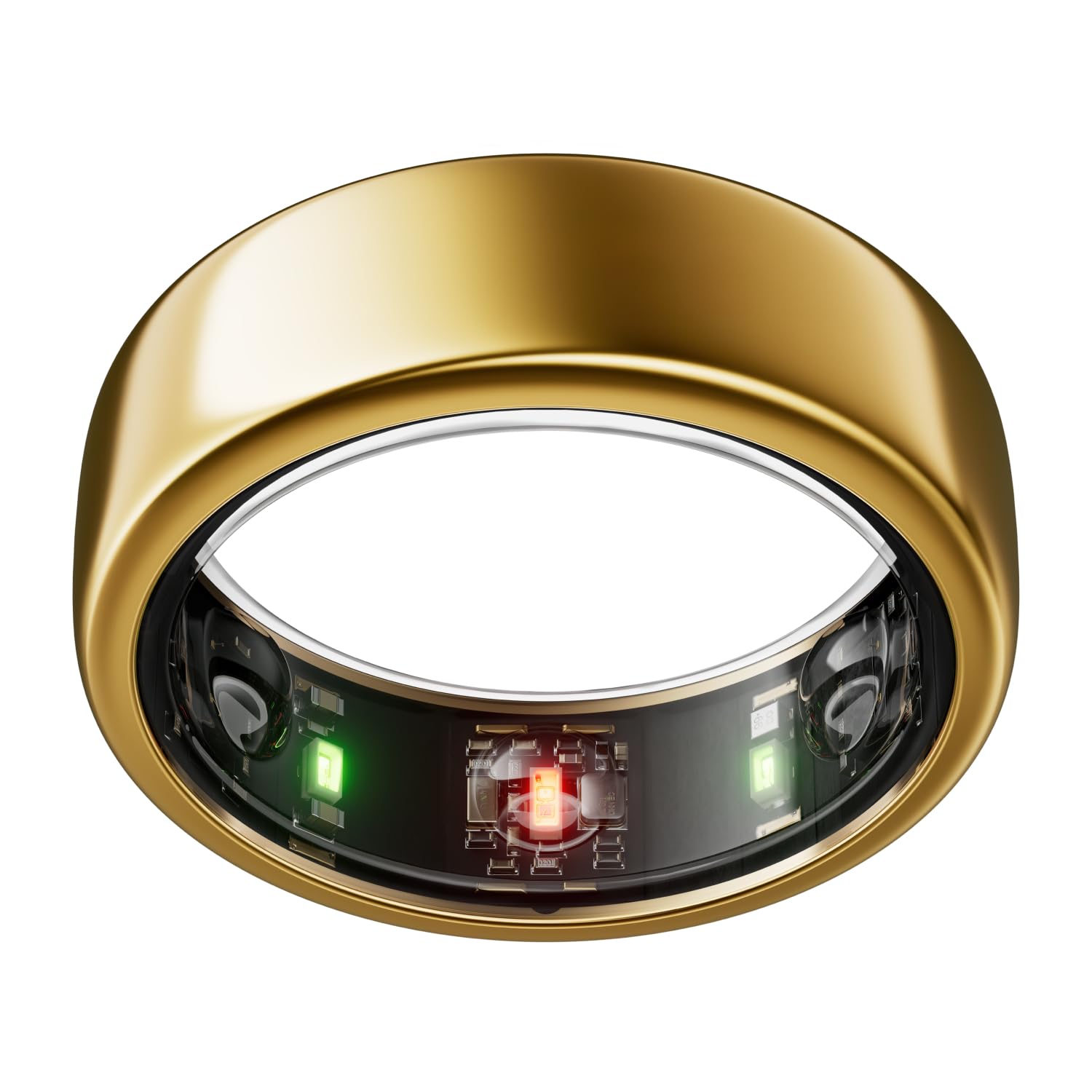
Oura goes public today. The Finnish smart ring maker's IPO is pricing on the Nasdaq under ticker OURA, offering 50 million shares at $40–$44 per share for a fully diluted valuation of up to $15.6 billion. The offering is 4x oversubscribed, with cornerstone investments from pharmaceutical giant Eli Lilly ($100M) and growth investor Dragoneer. Here's what it all means if you're buying, wearing, or considering an Oura Ring — or any smart ring.
IPO Valuation
$15.6B fully diluted — up from $5.2B last private round. 50M shares at $40–$44.
Revenue
$1.4B trailing 12 months. Subscription revenue up 121% YoY. 5M paid members.
Key Investor
Eli Lilly ($100M cornerstone) partners on GLP-1 drug monitoring via Oura Ring biometrics.
Why Is Oura's IPO 4x Oversubscribed?
Demand for Oura shares has reached roughly four times the number available, according to people familiar with the matter. Three factors explain the frenzy:
1. Explosive growth. Revenue hit $1.4 billion for the 12 months ended June 30, 2026 — up from roughly $700 million a year earlier. Subscription revenue alone grew 121% year over year to $240.5 million, helping lift gross margin to 55% and producing $60.8 million in net income.
2. Category dominance. With Samsung's Galaxy Ring 2 delayed by patent issues, Oura holds roughly 75% of the smart ring market. Its 5 million paid members — up 100% year over year — represent the largest recurring health-wearable subscriber base outside Apple.
3. Pharma validation. Eli Lilly's $100 million cornerstone investment isn't just financial — it signals that smart rings are becoming clinical health tools, not just fitness gadgets. Lilly already partners with Oura on GLP-1 drug monitoring, and the Oura Ring 5 offers GLP-1 insights as a launch feature.
What Does the IPO Mean for Oura Ring Pricing?
The Oura Ring 5 launched at $399 with a $5.99/month membership, and those prices aren't changing today. But public-market dynamics will shape pricing over time in two directions:
Short-term: expect promotions. Public companies are judged on subscriber growth, and Oura's investor pitch highlights its 5 million paid members prominently. Expect post-IPO Ring 5 bundles, free trial months, and partnership deals designed to boost headline subscriber numbers through the holiday season.
Longer-term: subscription pressure. With 85% 12-month retention, Oura's subscription has proven its value. But Wall Street will eventually want higher ARPU (average revenue per user). That could mean premium tiers, higher base pricing, or features that require subscription upgrades. For now, though, $5.99/month remains among the lowest subscription costs in wearable health.
How Does the IPO Affect Smart Ring Competitors?
A $15.6 billion public Oura raises the bar for every competitor:
Samsung Galaxy Ring: The Galaxy Ring 2 remains in patent limbo, pushed to early 2027. Oura's IPO war chest gives it resources to sustain patent enforcement while Samsung decides whether the fight is worth continuing. The original Galaxy Ring at $399 remains available but lacks Oura's subscription-powered health insights.
RingConn and Ultrahuman: Both compete on no-subscription models at lower prices. Oura's IPO doesn't directly threaten them — if anything, it validates the category and attracts more buyers to smart rings. But Oura's R&D budget will dwarf theirs, making it harder to match feature parity over time.
Garmin Cirqa: Garmin's rumored Cirqa smart ring could launch late 2026 with no subscription and Garmin's fitness pedigree. It's the most credible challenger, but Oura's head start in health data and clinical partnerships will be hard to match.
Should You Buy an Oura Ring Now or Wait?
If you've been considering an Oura Ring: The IPO doesn't change the product, but post-IPO promotions are likely as Oura chases subscriber growth. If you can wait 4–6 weeks, you may see Ring 5 bundles or subscription discounts around Black Friday. If you need one now, the Ring 5 at $399 is the category leader.
If you're choosing between Oura and Samsung: The Galaxy Ring at $399 offers no-subscription health tracking and tight Samsung ecosystem integration. But Oura's software depth, clinical partnerships, and now public-company stability make it the safer long-term bet. Galaxy Ring 2's delay until 2027 makes Samsung's smart ring future uncertain.
If you want the cheapest option: RingConn Gen 2 at $299 with no subscription remains the best value smart ring. It lacks Oura's clinical depth but covers the basics well. Browse all options in our smart ring comparison.
What the Eli Lilly Partnership Means for Health Tracking
Eli Lilly's $100 million cornerstone investment deserves its own spotlight. The pharmaceutical giant doesn't invest in consumer electronics — it invests in health platforms. Lilly already partners with Oura on biometric tracking for patients using GLP-1 weight-loss drugs like Mounjaro and Zepbound.
This signals a future where your smart ring could be prescribed alongside medication — monitoring how your body responds to treatment through continuous heart rate, sleep, activity, and metabolic data. The Oura Ring 5 already offers GLP-1 insights, and Lilly's investment suggests this is just the beginning.
For buyers, this means Oura's health features are likely to become more clinically relevant over time, potentially supporting insurance reimbursement or prescription wellness programs. No competitor has a comparable pharma partnership at this scale.
Related Articles
Oura IPO FAQ
Common questions about the Oura IPO and smart ring buying
Quick answers about pricing, subscriptions, competitors, and the Eli Lilly partnership.
Will Oura Ring prices go up after the IPO?
Not immediately. The Oura Ring 5 launched at $399 and Oura has strong incentive to keep pricing competitive to grow its subscriber base — the $5.99/month membership is the company's fastest-growing revenue line. However, public-market pressure to increase margins could eventually push hardware or subscription prices higher.
Does the Oura IPO affect my existing Oura membership?
No. Your Oura membership, data, and features remain unchanged. Going public gives Oura more capital for R&D, which should mean better software updates and health insights over time. The 85% 12-month retention rate suggests most members find the subscription worthwhile.
Should I buy an Oura Ring now or wait for post-IPO deals?
Post-IPO promotional pricing is likely as Oura targets subscriber growth to impress public-market investors. If you can wait a few weeks, you may see Ring 5 bundles or subscription discounts. If you need a smart ring now, the Ring 5 at $399 is still the category leader.
How does the Oura IPO affect Samsung Galaxy Ring 2?
Oura's IPO war chest ($2.2 billion raised) gives it resources to defend its 75% market share through R&D, marketing, and patent enforcement. Samsung's Galaxy Ring 2 remains delayed by an Oura patent dispute, and a well-funded public Oura makes it harder for Samsung to catch up when the Ring 2 eventually launches.
What is Eli Lilly's role in the Oura IPO?
Eli Lilly indicated interest in buying up to $100 million of Oura IPO shares. The pharmaceutical giant partners with Oura on biometric tracking for GLP-1 weight-loss drug monitoring — the Oura Ring 5 already offers GLP-1 insights. This signals deeper clinical integration between smart rings and prescription health tracking.