Oura IPO Postponed: What the Delayed $15.6 Billion Nasdaq Debut Means for Smart Ring Buyers
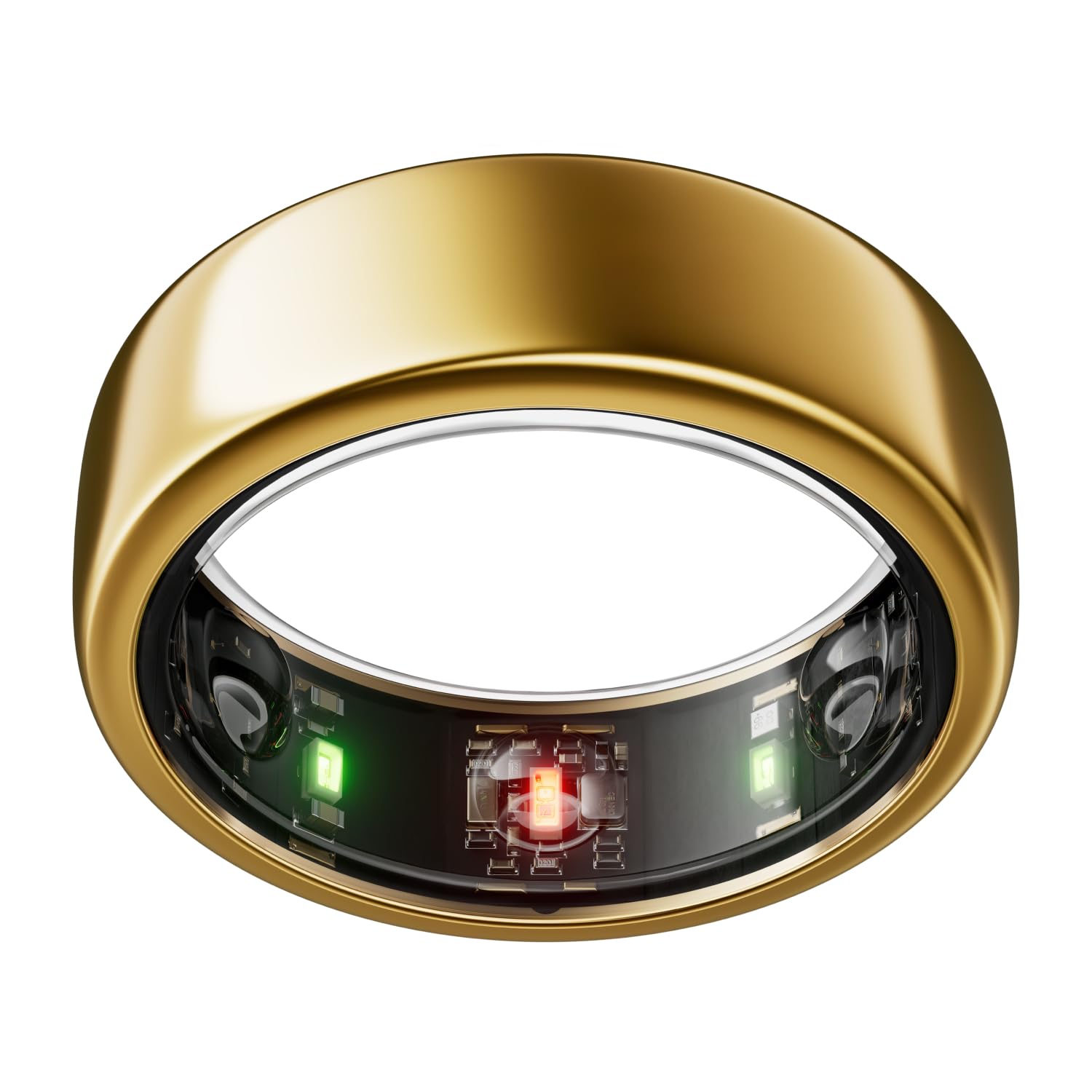
Oura's road to Wall Street just hit a speed bump. The Finnish smart ring maker postponed its Nasdaq IPO on September 29, just hours before shares were set to price at $40–$44 per share for a fully diluted valuation of $15.6 billion. Despite being 4x oversubscribed with cornerstone commitments from Eli Lilly and Dragoneer, Oura chose to wait out what it called "current market conditions and uncertainty."
Here's what the delay means if you're buying, wearing, or considering an Oura Ring — or any smart ring.
IPO Status
Postponed indefinitely. Was set to price Sept 30 at $40–$44/share ($15.6B valuation).
Demand
4x oversubscribed. $400M cornerstones from Eli Lilly and Dragoneer still committed.
Ring 5 Impact
None. $399 price and $5.99/mo subscription unchanged. No feature changes.
Why Did Oura Pull the IPO at the Last Minute?
The postponement isn't about Oura's business — it's about the market. Three macro headwinds converged to make September 2026 one of the worst IPO windows in years:
1. Fed rate hike. The Federal Reserve raised rates again in September, pushing borrowing costs higher and making growth-stock valuations harder to justify. Tech IPOs are particularly sensitive to rate expectations.
2. AI stock volatility. The AI sector — which has driven much of 2025–2026's market rally — saw a sharp correction in late September. Investors who burned on AI names are less willing to bet on another tech IPO, even one with real revenue.
3. Sluggish IPO season. Seven IPOs were delayed in Q3 2026 alone. Oura's advisors reportedly recommended waiting for a friendlier window rather than risk a weak first-day performance that could set the stock's trajectory.
Notably, Oura's fundamentals remain excellent: $1.21 billion in revenue for the nine months ending June 30 (up 74% YoY), profitability, and 90% expected full-year revenue growth. The company isn't cancelling — it's timing.
What Does the Delay Mean for Oura Ring Pricing?
Short answer: nothing changes. The Oura Ring 5 stays at $399 with a $5.99/month membership. The delay actually removes some near-term pricing risk:
No public-market pressure (yet). A public Oura would face quarterly earnings scrutiny and pressure to grow revenue per user. As a private company, Oura has more flexibility to keep subscriptions at $5.99 and run promotions without answering to analysts.
Holiday promotions still likely. Oura typically runs Black Friday and holiday deals regardless of IPO status. Expect Ring 5 bundles and possibly a free trial month around November–December.
How Does This Affect Smart Ring Competitors?
Samsung Galaxy Ring: The delay gives Samsung slightly more time. A post-IPO Oura with $2.2 billion in fresh capital would have aggressively defended its 75% market share through patent enforcement and marketing. With the IPO on hold, that war chest is smaller — but Samsung's Galaxy Ring 2 remains delayed by its own Oura patent dispute regardless.
RingConn and Ultrahuman: These no-subscription alternatives benefit from the IPO delay. A publicly traded Oura would have drawn massive attention (and marketing dollars) to the smart ring category — attention that trickles down to competitors. That tailwind is now delayed, though the category is still growing rapidly.
Garmin Cirqa: Garmin's Cirqa at $199 with no subscription continues to attract fitness-focused buyers who don't need Oura's clinical depth. The IPO delay has no impact on Garmin's positioning.
Should You Buy a Smart Ring Now or Wait?
Buy based on the product, not the IPO. The IPO delay doesn't change what's on your finger. Here's our recommendation:
Best overall: The Oura Ring 5 at $399 is the undisputed category leader with the deepest health insights, GLP-1 tracking, and the smallest form factor yet. The $5.99/month subscription pays for itself if you use sleep and recovery data.
Best value: The RingConn Gen 2 at $299 offers no subscription, 10-day battery, and solid sleep tracking. It lacks Oura's clinical features but covers the basics for most users.
If you can wait: Black Friday 2026 typically brings the best smart ring deals. Oura, RingConn, and Samsung all ran promotions last year, and 2026 should be no different — especially with Oura keen to grow subscriber numbers ahead of a rescheduled IPO.
When Will Oura Try Again?
Oura hasn't announced a new timeline, but most postponed IPOs reattempt within 3–6 months. The most likely windows are Q1 2027 (January–March), when IPO activity typically picks up after the holiday pause, or early Q2 2027 if market conditions stabilize.
The company's cornerstone investors — Eli Lilly and Dragoneer — remain committed, and 4x oversubscription means demand is there when the market cooperates. Oura is profitable and growing 90% year over year, which puts it in a stronger position than most delayed IPOs. This isn't a question of if — it's when.
Related Articles
Oura IPO Delay FAQ
Common questions about the Oura IPO postponement
Quick answers about what the delay means for pricing, competitors, and when Oura might try again.
Why did Oura postpone its IPO?
Oura cited current market conditions and uncertainty. A Federal Reserve rate hike, geopolitical turmoil, and AI stock volatility have rattled the IPO market, with seven offerings delayed in Q3 2026 alone. Despite 4x oversubscription, Oura's bankers advised against pricing into a falling market.
Will Oura try to go public again?
Almost certainly. Oura's business fundamentals are strong: $1.21 billion in revenue (up 74% YoY), profitability, and 5 million paid subscribers. The company is likely waiting for a better market window, potentially in Q1 2027 when IPO activity typically picks up after the holidays.
Does the IPO delay affect Oura Ring 5 pricing or features?
No. The Oura Ring 5 remains $399 with a $5.99/month subscription. If anything, the delay removes short-term pressure to raise subscription prices to impress public-market investors. Hardware and software roadmaps are unaffected.
Should I buy an Oura Ring now or wait for the IPO?
Buy based on the product, not the IPO timeline. The Ring 5 at $399 is the best smart ring available today. Post-IPO promotional pricing may come eventually, but there's no reason to delay a purchase for that — the IPO has no set date and could be months away.
How does the delay affect Samsung Galaxy Ring 2?
It gives Samsung slightly more breathing room. A cash-rich public Oura would have escalated patent enforcement and marketing pressure. With the IPO on hold, Oura's war chest is smaller, but Samsung's Galaxy Ring 2 remains delayed by its own patent dispute with Oura regardless.