Samsung Galaxy Glasses: Ring Gesture Controls, Watch Integration, and Everything the App Leak Reveals (2026)
A massive APK teardown of Samsung's Galaxy Glasses companion app has exposed the most detailed look yet at how Samsung plans to compete with Meta in the smart glasses market. The leak confirms One UI XR as the software platform, reveals an earbud-style charging case, and — most notably — uncovers hidden code confirming Galaxy Ring gesture controlsfor hands-free glasses operation. With Samsung Unpacked just 20 days away on July 22, here's what every buyer needs to know.
Samsung's Edge
Galaxy Ring gesture controls, Galaxy Watch controller app, Google Gemini AI, One UI XR on Android XR, and Warby Parker frame collaboration create an unmatched multi-device ecosystem.
Meta's Edge
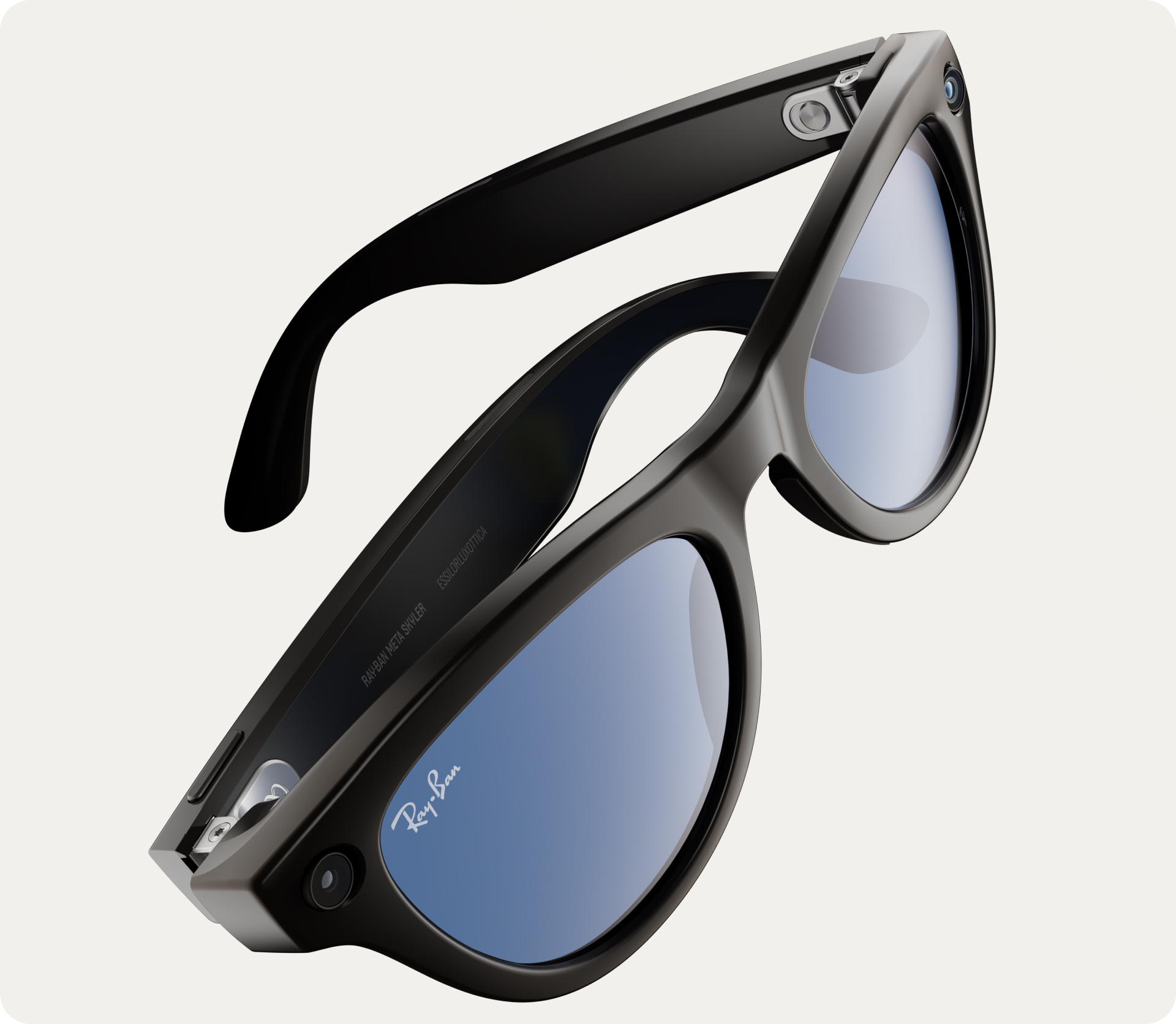
Available now at $379, proven Muse Spark AI with 18+ months of refinement, 10M+ units sold, Ray-Ban brand recognition, and no ecosystem lock-in required.
Bottom Line
Samsung is building an ecosystem play Meta can't match. But if you don't own a Galaxy Ring and Watch, Meta's standalone value is hard to beat. Compare all smart glasses.
What the Companion App Leak Tells Us
Android Authority, Tom's Guide, 9to5Google, and SamMobile independently analyzed the Galaxy Glasses companion/manager app, and the findings paint a comprehensive picture. The app confirms Samsung's glasses will run One UI XR — Samsung's custom software layer built on Google's Android XRplatform. This is the same layered approach Samsung uses with phones (One UI on Android) and watches (One UI Watch on Wear OS): a familiar Samsung interface sitting atop Google's underlying OS and AI stack.
The practical implication is significant: Samsung Galaxy Glasses will ship with Google Gemini as the built-in AI assistant, giving users access to Google's multimodal AI for object recognition, text reading, real-time translation, and contextual assistance — all through voice commands to the glasses. This directly competes with Meta's Muse Spark AI on the Meta Ray-Ban.
Galaxy Ring Gesture Controls: The Killer Feature
The most exciting discovery in the teardown is hidden code confirming Galaxy Ring gesture controls. If you own a Samsung Galaxy Ring, you'll be able to control your glasses using finger gestures — tap, double-tap, pinch, and swipe motions detected by the ring's accelerometer and gyroscope sensors. A dedicated gesture receiver component in the glasses app handles the input.
This is a genuinely novel interaction model. Instead of raising your hand to tap the glasses temple (Meta's approach) or speaking a voice command in a quiet room, you can discreetly control music, answer calls, dismiss notifications, and navigate the AI assistant with subtle finger movements. It's the kind of hands-free control that makes smart glasses feel less awkward in social settings.
The catch? You need to own a Galaxy Ring ($399.99) in addition to the glasses. Samsung is betting that ecosystem lock-in — glasses plus ring plus watch — creates enough value to justify the multi-device investment. Whether that bet pays off depends on how well the integration actually works in practice.
Galaxy Watch Controller App and the Three-Device Ecosystem
The companion app also reveals a Galaxy Glasses Controller app that will come pre-installed on Galaxy Watches. From your wrist, you'll be able to adjust glasses settings, check battery status, toggle features, and control media playback. Samsung is building a three-device ecosystem — glasses on your face, ring on your finger, watch on your wrist — that no competitor currently replicates.
Meta has nothing equivalent. The Meta Ray-Banconnects to your phone and that's it. There's no Meta smartwatch, no Meta ring, and no multi-device gesture system. Samsung's approach is more complex and more expensive, but for users already invested in the Galaxy ecosystem, it creates a cohesive wearable experience that's genuinely differentiated.
Hardware: Charging Case, Frames, and Camera
The app graphics show an earbud-style charging casewith physical contact pins — larger than a Galaxy Buds case but compact enough to pocket. The glasses fold into the case for charging and protection, similar to how you'd store earbuds. This is a meaningful design detail: Meta Ray-Ban uses a soft pouch case with a USB-C cable, which is less elegant for on-the-go charging.
Setup graphics also reveal Warby Parker frame collaborations alongside the previously leaked Gentle Monster designs. Having multiple designer frame partners gives Samsung an advantage in style variety — you're not locked into a single frame aesthetic. The glasses themselves are audio-focused with a camera: microphones, speakers, and a reportedly 12MP Sony IMX681 sensor with autofocus. There is no AR display — these are designed to compete directly with Meta Ray-Ban, not with the AR-display smart glasses like Even Realities G1.
Samsung Galaxy Glasses vs Meta Ray-Ban: Which Should You Choose?
If you already own a Galaxy Ring and Galaxy Watch, the decision is straightforward: wait for Samsung. The three-device ecosystem with gesture controls and wrist-based management is something Meta simply cannot offer. Google Gemini as the AI assistant also means tighter integration with Android services, Google Maps, and the broader Google ecosystem.
If you don't own Samsung wearables, the calculus changes. The Meta Ray-Ban at $379is available today with 18+ months of software maturity, a proven AI assistant in Muse Spark, and no ecosystem requirements. It works with any phone — Android or iPhone. Samsung's glasses will likely require an Android phone at minimum, and the full ecosystem experience requires additional Samsung hardware purchases totaling $400-$1,000+.
Our advice: if you're interested in Samsung's offering, wait until July 22. Samsung Unpacked is just 20 days away, and you'll have official pricing, confirmed specs, and likely pre-order incentives. If you need smart glasses right now, the Meta Ray-Ban remains the best standalone option on the market. Read our full Samsung Galaxy Glasses vs Meta Ray-Ban comparison for a detailed spec-by-spec breakdown.
What We Still Don't Know
Several critical questions remain unanswered ahead of the July 22 reveal. Pricing is the biggest unknown — if Samsung matches Meta at $379, adoption could be rapid. If they price above $499, the ecosystem tax becomes a harder sell. Battery life is another question mark: the earbud-style charging case suggests Samsung is planning for shorter per-charge runtimes with frequent top-ups. And while Gemini AI is confirmed, the depth of its integration with the camera and real-world context awareness will determine whether it matches Meta's year-plus head start in AI glasses development.
Related Articles
Smart Glasses FAQ
Samsung Galaxy Glasses Ecosystem: Common Questions
Quick answers about Samsung's smart glasses ecosystem, Galaxy Ring gesture controls, and how they compare to Meta Ray-Ban.
Can you control Samsung Galaxy Glasses with Galaxy Ring?
Yes, hidden code in the companion app confirms Galaxy Ring gesture controls. You’ll be able to use finger gestures on the ring to control music, answer calls, and navigate the glasses hands-free.
When do Samsung Galaxy Glasses launch?
Samsung is expected to reveal the Galaxy Glasses at Unpacked on July 22, 2026 in London. The actual retail availability may be at launch or shortly after, with pricing expected at $379–$499.
Do Samsung Galaxy Glasses have a display?
No. The leaked specs show the Galaxy Glasses are audio-only smart glasses with a camera, microphones, and speakers — no AR display. They run One UI XR on Android XR with Google Gemini as the AI assistant.
Are Samsung Galaxy Glasses better than Meta Ray-Ban?
It depends on your ecosystem. Galaxy Glasses use Google Gemini (great for Android users), while Meta Ray-Ban uses Meta AI. Samsung’s Galaxy Ring and Watch integration creates a unique multi-device ecosystem that Meta doesn’t match.
Do I need a Samsung phone for Galaxy Glasses?
The Galaxy Glasses run on Android XR and will likely work with any Android phone, but features like Galaxy Ring gesture controls and Galaxy Watch controller app will require Samsung Galaxy devices for full functionality.