Samsung Galaxy Glasses vs Meta Ray-Ban: Should You Wait or Buy Now? (2026)
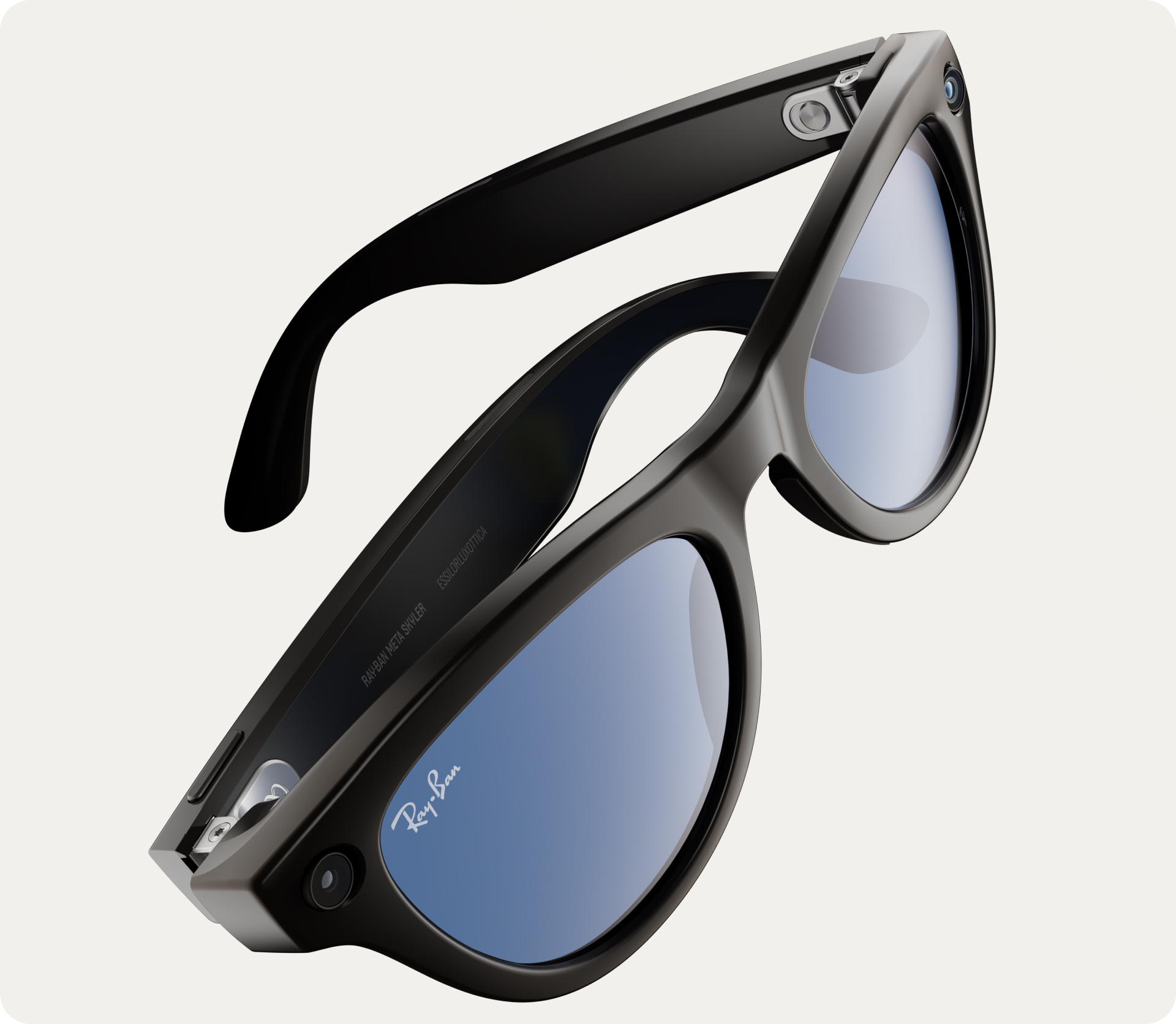
Samsung has confirmed its long-rumored Galaxy Glasses will launch at $379–$499, with Gentle Monster and Warby Parker design partnerships, Android XR software, and Gemini AI baked in from day one. That is a serious first move into a category Meta Ray-Ban has effectively owned since 2023. With Samsung finally entering the ring, the question every shopper is asking is simple: should you wait for Galaxy Glasses, or buy Meta Ray-Ban right now?
We break down what is confirmed about Samsung’s hardware and software, how it stacks up spec-for-spec against Meta Ray-Ban, and who should buy which pair — or whether waiting even makes sense for you.
What Do We Know About Samsung Galaxy Glasses?
Leaks and Samsung’s own teasers have converged on a fairly detailed picture of the hardware. Here is what is confirmed so far:
- Chipset: Qualcomm Snapdragon AR1, tuned for low-power always-on AI
- Camera: 12MP Sony IMX681 sensor
- Weight: approximately 50 grams
- Battery: 155mAh cell, rated for a standard day of mixed use
- Connectivity: Bluetooth 5.3 and Wi-Fi
- Software: Android XR with Gemini AI for navigation, live translation, visual recognition, and notification summaries
- Design partners: Gentle Monster for bold, fashion-forward frames and Warby Parker for classic, understated styles
Notably, this first generation has no lens display— it is an audio and AI-only device, the same category as Meta Ray-Ban. Samsung is reportedly saving an actual in-lens display for a follow-up model, internally codenamed “Haean,” expected sometime in 2027 at a considerably higher price of roughly $600–$900.
Where Galaxy Glasses differentiate is ecosystem depth. They are designed to work with a Galaxy Ringfor subtle gesture controls — tapping or pinching to answer calls or snap photos — and pull health data from a Galaxy Watch for on-the-fly stats. Samsung confirmed a reveal on July 22, with units going on sale in Fall 2026.
How Do Galaxy Glasses Compare to Meta Ray-Ban?
On paper, the two products are closer than you might expect. Here is how the key categories line up:
- Camera: Galaxy Glasses use a 12MP Sony sensor, matching the resolution class of the Meta Ray-Ban camera. Real-world image quality will likely come down to processing, not raw megapixels, and that is untested until Samsung ships review units.
- AI assistant:Gemini AI plugs into Google’s search and translation strengths, while Meta AI leans more conversational and social. If you already use Gemini daily, Galaxy Glasses will feel like a natural extension. If you rely on Meta AI for quick chat-style questions, Ray-Ban stays familiar.
- Design:Samsung is leaning on Gentle Monster for statement frames and Warby Parker for everyday styles, while Meta Ray-Ban rides on decades of Ray-Ban design heritage. Both approaches solve the same problem — making smart glasses look like normal glasses — from different angles.
- Ecosystem: Galaxy Glasses tie into Galaxy Ring and Galaxy Watch for gesture control and health data. Meta Ray-Ban ties into Instagram, WhatsApp, and Facebook for sharing and messaging. Pick based on which apps and devices you already use daily.
- Privacy: Both products will face the same scrutiny around always-on cameras and microphones. Meta already had to walk back facial recognition features after public pushback, and Samsung should expect similar questions once Galaxy Glasses ship.
- Price: Galaxy Glasses start at $379 and go up to $499 depending on frame choice, while Meta Ray-Ban starts at $379, with the budget Meta Glasses line starting even lower at $299.
Should You Wait for Galaxy Glasses or Buy Meta Ray-Ban Now?
Buy Meta Ray-Ban now if: you want proven AI smart glasses today rather than a first-generation Samsung product with no real-world reviews yet. Meta Ray-Ban has had multiple software updates since 2023 to iron out early rough edges, and if you use Instagram or WhatsApp heavily, the integration is already seamless.
Wait for Galaxy Glasses if: you are already deep in the Samsung or Android ecosystem, want Gemini AI front and center, prefer the Gentle Monster or Warby Parker design language, or already own a Galaxy Ring and want the gesture control integration. Fall 2026 is not far off, and buyers this committed to the ecosystem will likely be happier waiting the extra months.
Consider Meta Glasses at $299 if: you want the most affordable entry point into AI smart glasses and do not specifically need Ray-Ban styling. It trims some hardware to hit that lower price but still runs Meta AI. See our full breakdown in Meta Glasses at $299 vs Ray-Ban Meta.
Related Articles
Frequently Asked Questions
- When do Samsung Galaxy Glasses come out?
- Samsung is set to reveal Galaxy Glasses at its July 22 Unpacked event, with the product going on sale in Fall 2026. That leaves a gap of a few months between the announcement and when you can actually buy a pair, unlike Meta Ray-Ban, which is available today.
- How much will Samsung Galaxy Glasses cost?
- Confirmed pricing places Galaxy Glasses between $379 and $499, depending on frame choice. The Gentle Monster design is expected to sit at the higher end of that range, while the Warby Parker collaboration is likely closer to $379, putting it in direct price competition with Meta Ray-Ban.
- Are Samsung Galaxy Glasses better than Meta Ray-Ban?
- Neither is strictly better - they serve different ecosystems. Galaxy Glasses pair best with Android, Galaxy Ring, and Galaxy Watch, and lean on Gemini AI for search and translation. Meta Ray-Ban has years of real-world testing, deep Instagram and WhatsApp integration, and a proven camera. Your existing phone and app habits should decide this more than raw specs.
- Do Samsung Galaxy Glasses have a display?
- No. The first Galaxy Glasses are audio and AI-only, similar to Meta Ray-Ban, with no lens display. Samsung is reportedly saving an in-lens display for a second model, internally referred to as "Haean," expected in 2027 at a higher price point around $600 to $900.
- Can you use Samsung Galaxy Glasses with iPhone?
- Samsung has not confirmed iOS support, and given the deep Android XR, Galaxy Ring, and Galaxy Watch integration built into the software, an iPhone pairing would likely lose most of the ecosystem features anyway. If you use an iPhone, Meta Ray-Ban is the safer bet since it works with both iOS and Android.