Snap Specs AR Glasses Coming Fall 2026 at $2,500: Should You Wait or Buy Smart Glasses Now?
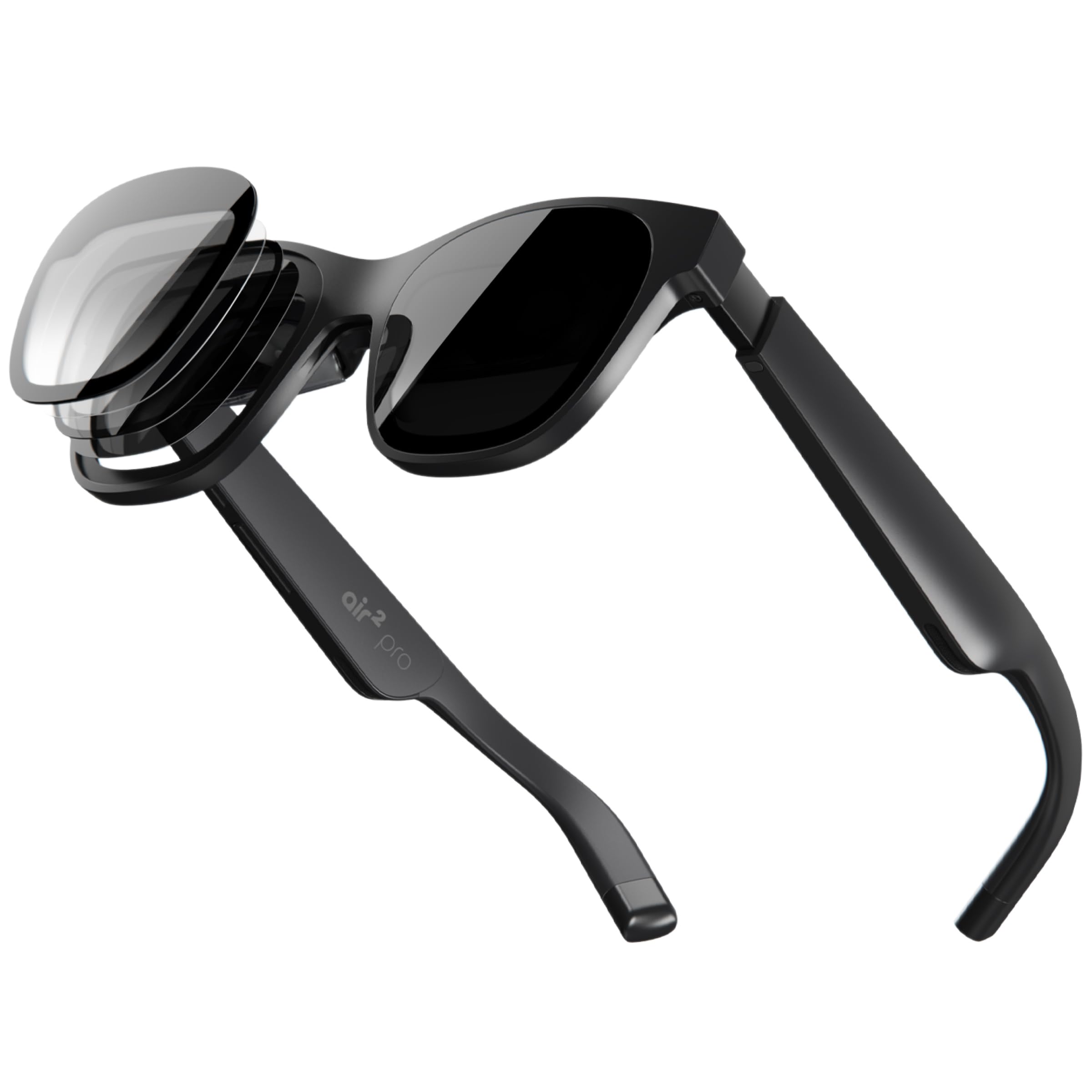
Snap just made its biggest move yet toward consumer AR glasses. After acquiring spatial AR company Illumix on June 4, the company is gearing up for CEO Evan Spiegel's keynote at AWE USA on June 16 — where the final details of consumer Specs AR glasses are expected. The price? Approximately $2,500, with a fall 2026 launch. Should you wait, or buy smart glasses today?
Snap Specs
True AR glasses with see-through displays, spatial AI, and shared experiences. ~$2,500 this fall — the most affordable full AR glasses yet.
Best Value Today
Meta Ray-Ban at $379 — no AR display, but the best AI-powered audio glasses for daily wear.
Compare Options
Check our smart glasses guide or compare tool to see all options side by side.
What Are Snap Specs and Why Should You Care?
Snap Specs are the first consumer-priced AR glasses with true see-through displays. Unlike the Meta Ray-Ban smart glasses, which are essentially sunglasses with a camera, speakers, and AI — but no visual display — Specs project digital content directly into your field of view through transparent lenses. You can see the real world and digital overlays simultaneously.
The Illumix acquisition on June 4 was a strategic move. Illumix, founded in 2017, built spatial mapping technology that allows digital content to interact convincingly with physical spaces. Think virtual objects that sit on real tables, navigation arrows that follow real sidewalks, or shared AR games you play with friends in your living room. This mapping tech is the difference between gimmicky floating menus and AR that actually feels useful.
How Do Snap Specs Compare to Other Smart Glasses?
The smart glasses market in 2026 has four distinct tiers. Here is where Snap Specs fit:
Tier 1: AI Audio Glasses ($299–$459)
Meta Ray-Ban ($379) — Camera, speakers, microphone, Meta AI. No display. Best for everyday wear. Also consider Even Realities G1 for a minimalist display or the upcoming Acer GI0 at $299.
Tier 2: AR Display Glasses ($375–$599)
XREAL Air 2 Pro ($375) and XREAL One Pro ($599) — virtual screen displays, not true AR overlays. Great for entertainment but not spatial computing.
Tier 3: True AR Glasses ($2,500) — Snap Specs
This is where Snap Specs sit. True see-through AR with spatial understanding, shared experiences, AI assistance projected into 3D space, and Snap OS with OpenAI and Gemini integration. At $2,500, it is the most affordable full AR glasses experience — cheaper than the $3,499 Apple Vision Pro headset while offering something Vision Pro cannot: a lightweight glasses form factor you can actually wear outside.
Tier 4: Full Headsets ($1,800–$3,499)
Samsung Galaxy XR ($1,800) and Apple Vision Pro ($3,499) — immersive but bulky. These are face computers, not glasses. They offer the best displays but cannot be worn casually in public.
What Will Spiegel Reveal at AWE on June 16?
Snap CEO Evan Spiegel's keynote at AWE USA 2026 — titled "Making Computing More Human" — runs June 16 from 9:30 to 10:00 AM PT. Based on Snap's trajectory, expect final Specs hardware details, pricing confirmation, pre-order dates, and possibly hands-on demos for attendees. The Illumix acquisition also suggests new spatial mapping features may be showcased.
Snap launched Specs Inc. as a standalone subsidiary earlier this year, signaling how seriously it takes the hardware opportunity. Developer Spectacles have been available since 2024, building a foundation of AR apps and experiences that will be ready when consumer Specs ship.
What About Samsung Galaxy Glasses and Google's AR Glasses?
Snap is not the only company targeting AR glasses in late 2026. Samsung Galaxy Glasses — developed with Gentle Monster and powered by Android XR — are expected at Galaxy Unpacked on July 25. Google also unveiled Android XR smart glasses at I/O 2026, partnering with Warby Parker and Gentle Monster. The smart glasses market is entering its most competitive period ever.
Our Recommendation: Who Should Wait for Snap Specs?
Wait for Snap Specs if:You are an early adopter willing to spend $2,500, you want true spatial AR experiences (not just audio or virtual screens), and you are excited about Snapchat's social AR ecosystem. Specs will be the most affordable way to get genuine see-through AR in a glasses form factor.
Buy Meta Ray-Ban now if: You want smart glasses for everyday use — AI assistance, photo and video capture, music, and calls. At $379 on Amazon, it is one-seventh the price of Specs and far more practical as daily eyewear. The vast majority of smart glasses buyers are better served here.
Buy XREAL if: You want a big virtual screen for entertainment and productivity. The XREAL Air 2 Pro at $376 or One Pro at $599 deliver excellent virtual displays without the AR complexity or price of Specs.
Related Articles
Snap Specs FAQ
Common questions about Snap Specs AR glasses
Quick answers to help you decide whether to wait for Snap Specs or buy smart glasses today.
How much will Snap Specs cost when they launch?
Snap Specs are expected to launch at approximately $2,500. This positions them between the Meta Ray-Ban smart glasses at $379 and the Apple Vision Pro at $3,499, but Specs offer true AR display capabilities that the Ray-Ban does not.
When do Snap Specs AR glasses launch?
Snap Specs are confirmed for a fall 2026 consumer launch. CEO Evan Spiegel is keynoting AWE USA on June 16, 2026, where final product details are expected. Exact availability date has not been announced yet.
What is the difference between Snap Specs and Meta Ray-Ban smart glasses?
The key difference is display capability. Meta Ray-Ban smart glasses are audio-and-camera glasses with no visual display — you hear AI responses but do not see anything overlaid on the real world. Snap Specs have see-through AR lenses that project digital content into your field of view, enabling true augmented reality experiences.
Should I buy Meta Ray-Ban now or wait for Snap Specs?
These serve different purposes. Buy Meta Ray-Ban at $379 if you want an everyday pair of smart sunglasses with AI, camera, and audio. Wait for Snap Specs at $2,500 only if you specifically want AR visual overlays and spatial computing in a glasses form factor. Most buyers are better served by Meta Ray-Ban for daily use.
What did Snap acquire Illumix for?
Snap acquired spatial AR company Illumix on June 4, 2026, to gain mapping technology that helps Specs understand and augment real-world environments. Illumix's spatial engine allows digital content to interact with physical spaces — a critical capability for convincing AR experiences.