Snap Specs September 16 Launch: What to Expect From the $2,195 AR Glasses Event
In five days, Snap will take the stage in Los Angeles for the most important hardware launch in the company's history. The September 16 event will formally introduce Snap Specs to developers and creators — a standalone pair of AR glasses priced at $2,195 that overlay digital content onto the real world through transparent displays. Here's everything we know heading into the event, and what it means for the smart glasses market this fall.
Price
$2,195 for the developer/creator edition. No subscription required. Includes the glasses and controller accessories.
Event Date
September 16, 2026, 7 PM ET. Live from Los Angeles. CEO Evan Spiegel hosts the keynote and hands-on demos.
Ships
Fall 2026, initially in the United States, United Kingdom, and France. Pre-orders expected during or after the event.
What Will Snap Show at the September 16 Event?
CEO Evan Spiegel has been teasing this moment for months, calling Specs "the culmination of ten years of work on augmented reality at Snap." The September 16 keynote is expected to center on live demonstrations of what Specs can actually do in the real world — not scripted promo videos, but hands-on AR experiences running on the final hardware.
Based on Snap's developer previews and patent filings, expect demos across four categories: AI-powered assistance (real-time object identification, translation, and contextual information overlaid onto your field of view), productivity tools (floating displays, spatial note-taking, and video conferencing with virtual presence), entertainment (immersive AR games and media viewing), and shared AR experiences where multiple Specs wearers interact with the same digital objects in a shared physical space.
The event will also mark the first hands-on access for developers and content creators. Snap has been running a closed beta, but September 16 opens the platform to a broader creator community with full SDK access and a marketplace for AR experiences. This is Snap's play to build a developer ecosystem before competitors like Meta and Apple lock in their own AR platforms.
What Are the Snap Specs Hardware Specs?
Unlike most smart glasses currently on the market, Snap Specs are a fully standalone AR device — no phone tethering required. The glasses pack two Qualcomm Snapdragon processors: one dedicated to AR rendering and spatial computing, and a second handling AI inference, sensor fusion, and system tasks. This dual-chip architecture is how Snap keeps the glasses responsive while running complex AR overlays.
Interaction relies on hand tracking and eye trackingworking in tandem. Hand tracking lets you pinch, swipe, and grab virtual objects in mid-air, while eye tracking enables gaze-based selection and foveated rendering to save battery by only rendering full detail where you're actually looking. Together, they eliminate the need for a dedicated handheld controller for most tasks, though Snap will include optional controller accessories.
The transparent AR displays are the centerpiece. Unlike a VR headset that blocks out the world, Specs layer digital content — text, 3D objects, interfaces — on top of your real surroundings. You see through the lenses normally and see digital content overlaid where the glasses place it. The field of view and brightness levels are still unconfirmed for the final hardware, but developer previews showed a usable display in both indoor and moderately lit outdoor environments.
How Do Snap Specs Compare to Meta Ray-Ban Smart Glasses?
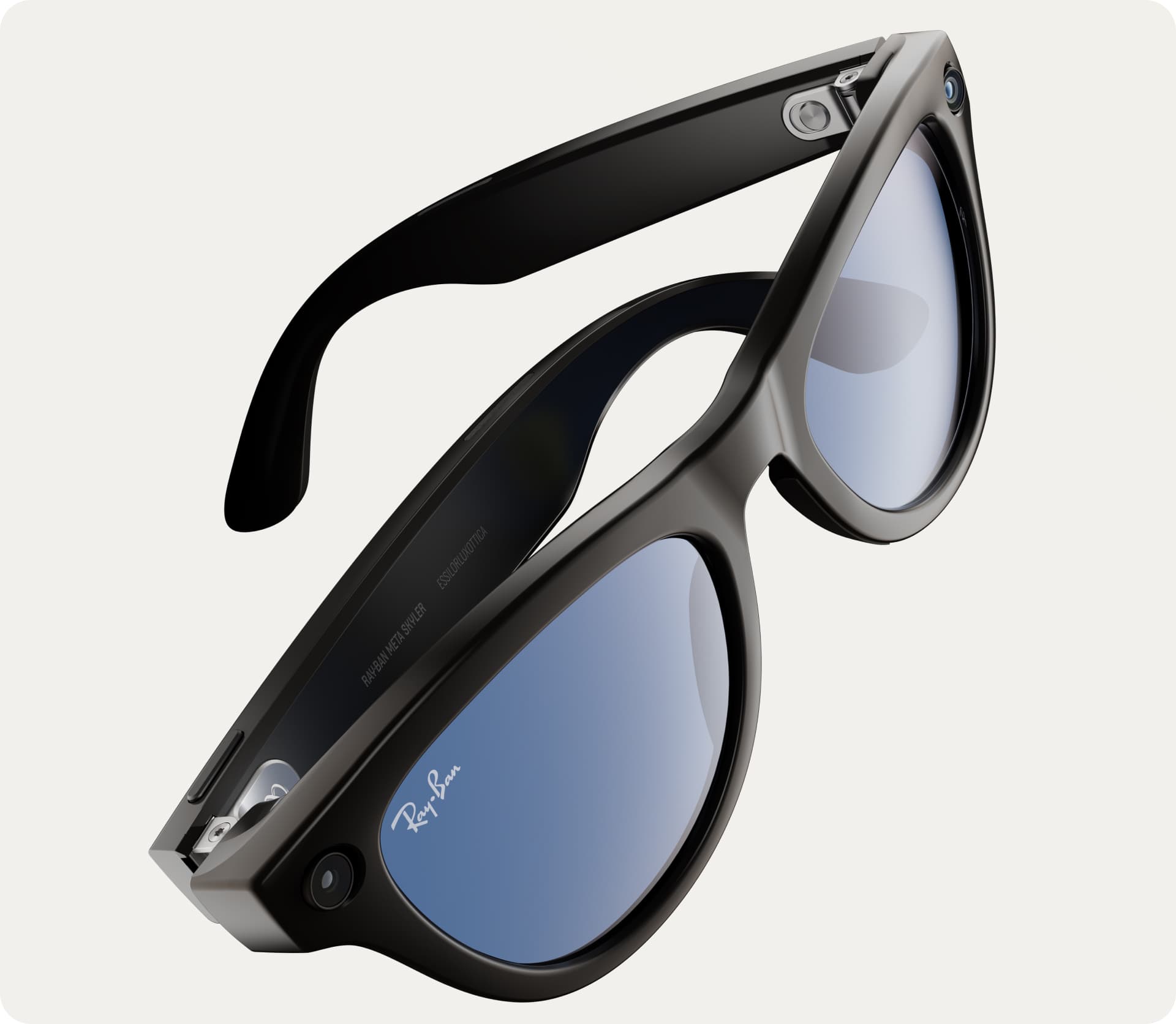
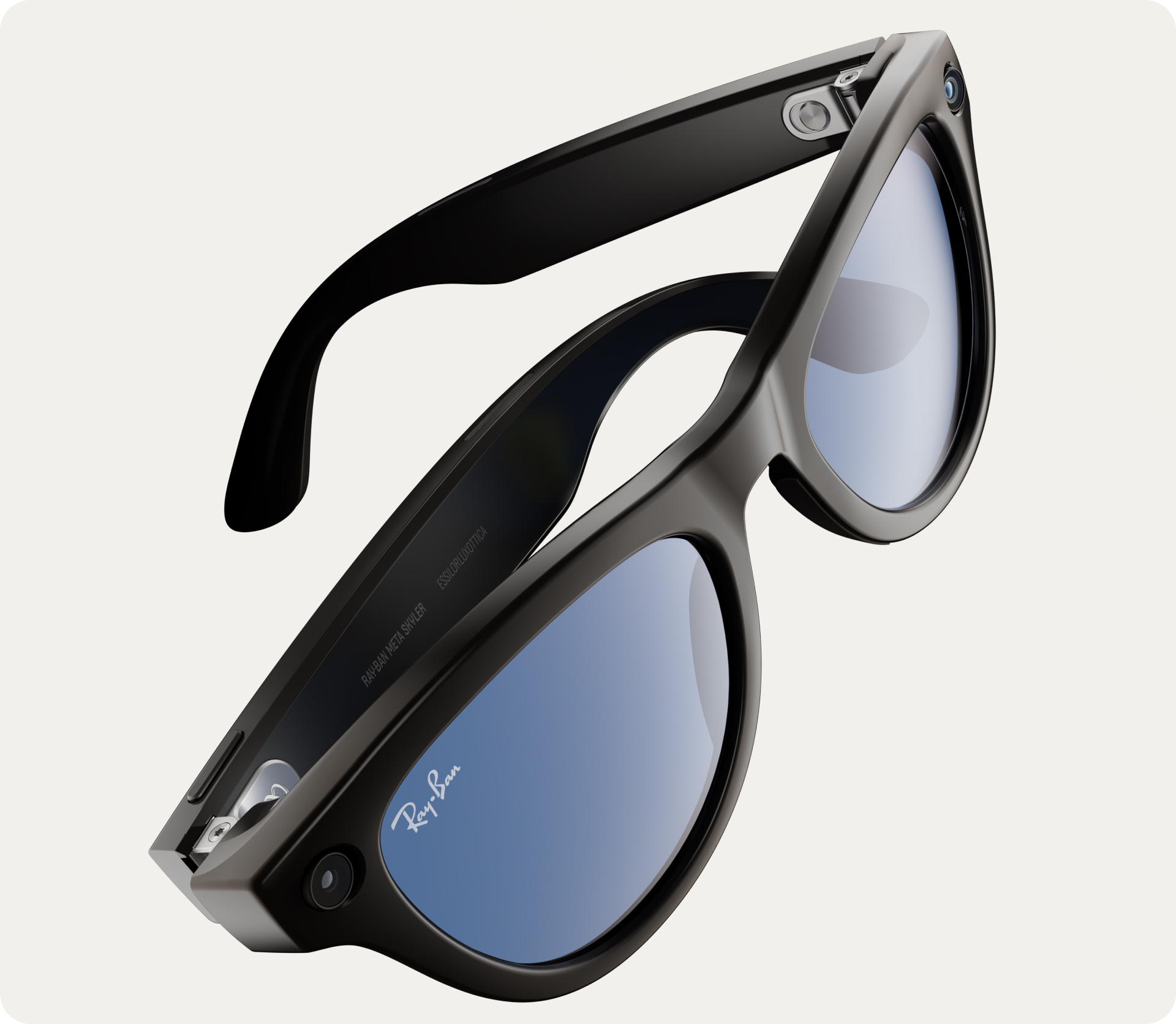
The short answer: they are entirely different products that happen to sit on your face. The Meta Ray-Ban smart glasses start at $299 for the base model and top out at $459 for the Wayfarer with transitions lenses. For that price, you get a camera, open-ear speakers, microphones, and Meta AI — but no display. You talk to the glasses, and they respond through audio. Photos and video go to your phone.
Snap Specs at $2,195 are a full augmented reality platform. You see digital content layered onto the real world through transparent displays, interact with it using your hands and eyes, and run standalone apps without a phone. These are fundamentally different value propositions, but they compete for the same "smart glasses" mindshare — and that matters because buyers comparing options in the $300 to $2,200 range need to understand they are choosing between categories, not just features.
The timing adds tension. Snap's event is September 16. Meta Connect lands one week later on September 23, where Meta is expected to unveil Ray-Ban Gen 3 with possible display features of their own. Snap needs to make a strong case for the premium before Meta potentially narrows the gap at a fraction of the price.
Are Snap Specs Worth $2,195?
For most consumers right now, no. The $2,195 price point is deliberately targeted at developers, creators, and early adopters who want to build for the AR platform before it reaches mainstream pricing. Snap has been explicit about this — the current Specs are a creation tool, not a consumer device. Compare that to the Meta Quest 3 at $550, which is a mature consumer VR headset with thousands of apps. Specs cost four times as much and ship with a fraction of the content library.
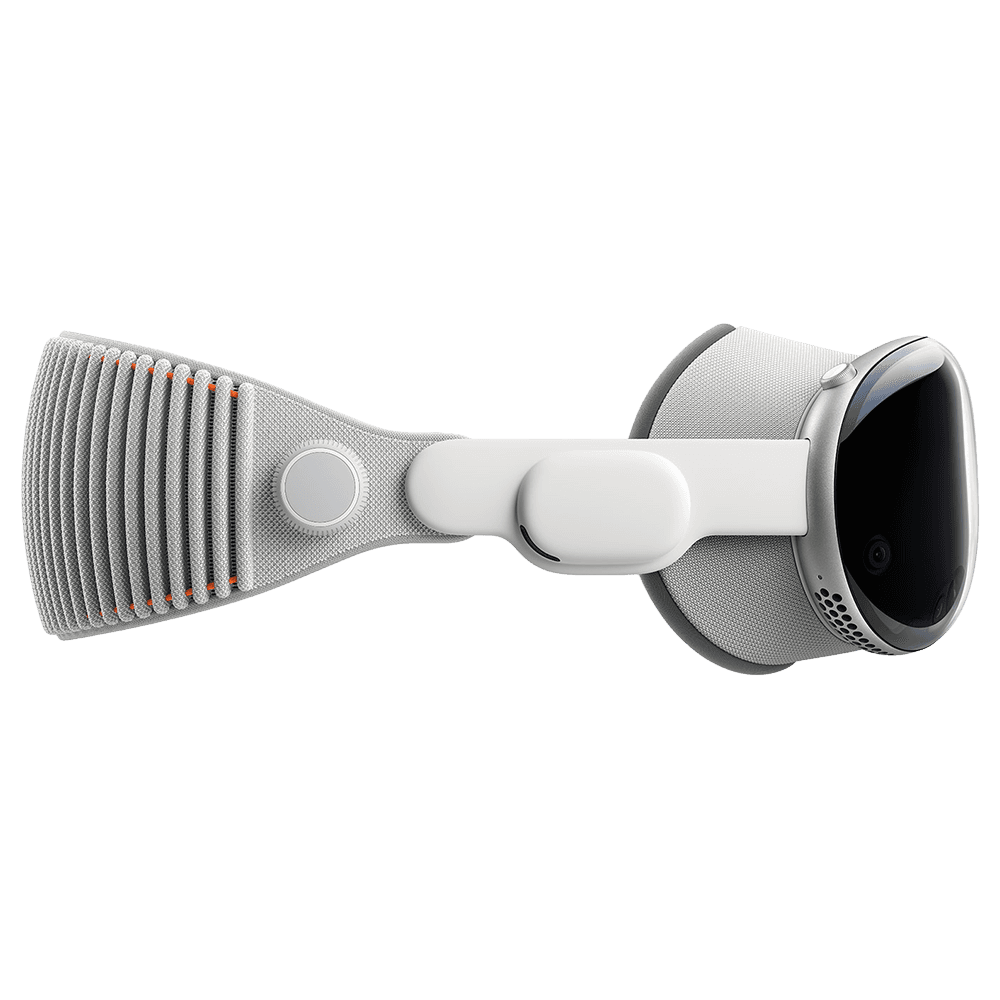
But this is also a full AR platform in a glasses form factor, not a VR headset you strap to your face. No one else is shipping standalone AR glasses with hand and eye tracking at any price. Apple Vision Pro ($3,499) offers mixed reality but is a ski-goggle-sized headset. The comparison Snap wants you to make is not Specs versus Ray-Ban — it's Specs as the first credible pair of AR glasses that regular people could actually wear outside, and whether that's worth paying a premium to access early.
If you're a developer looking to build AR experiences, or a creator who wants to produce content for a new platform early, the $2,195 investment could pay off in first-mover advantage. If you want smart glasses for daily use today, the Meta Ray-Ban at a fifth of the price remains the practical recommendation.
What This Means for the Smart Glasses Market
September 2026 is shaping up to be the most consequential month for wearable displays since the original Google Glass. The launches are stacking up across multiple price tiers: HTC Vive Eagle at $499 (mixed reality glasses, already announced), Snap Specs at $2,195 on September 16, and Meta Connect on September 23 where Ray-Ban Gen 3 and potentially new AR prototypes will debut.
What's emerging is a tiered market structure. At the entry level ($299-$499), you get AI-powered smart glasses with cameras and speakers — the Meta Ray-Ban and HTC Vive Eagle tier. In the mid-range ($500-$1,000), display-equipped glasses from brands like RayNeo and XREAL offer media viewing and basic AR. And at the high end ($2,000+), Snap and eventually Apple offer standalone spatial computing in a glasses form. Each tier serves a different buyer, and competition within and between tiers is accelerating faster than anyone predicted at the start of the year.
The September 16 event will answer the most important remaining question: can Snap deliver on the vision, or will Specs remain a promising prototype that doesn't quite work in practice? We'll have full coverage and analysis the moment the keynote wraps. For now, the smart glasses market just got a lot more interesting.
Related Articles
Frequently Asked Questions
When is the Snap Specs launch event?
The Snap Specs launch event is scheduled for September 16, 2026, at 7 PM ET in Los Angeles, California. Snap CEO Evan Spiegel will host the presentation, which is expected to include live demos and the first hands-on access for developers and creators.
How much do Snap Specs cost?
Snap Specs are priced at $2,195 for the developer/creator edition. This is a standalone AR glasses platform with dual Snapdragon processors, hand and eye tracking, and transparent AR displays. The price reflects its positioning as a development platform, not a mass-market consumer device like the $299-$459 Meta Ray-Ban smart glasses.
Are Snap Specs better than Meta Ray-Ban smart glasses?
Snap Specs and Meta Ray-Ban smart glasses serve different purposes. Snap Specs ($2,195) are full augmented reality glasses with transparent displays that overlay digital content onto the real world, plus hand and eye tracking. Meta Ray-Ban ($299-$459) are AI-powered smart glasses focused on a camera, speakers, and Meta AI assistant without any visual display. They compete for smart glasses mindshare but target different buyers.
When do Snap Specs ship and where are they available?
Snap Specs are expected to ship in fall 2026, initially available in the United States, United Kingdom, and France. Pre-orders may open during or shortly after the September 16 event. Broader international availability has not been announced.