visionOS 27: What Changed and Who Should Care — A Vision Pro Owner's Guide (2026)
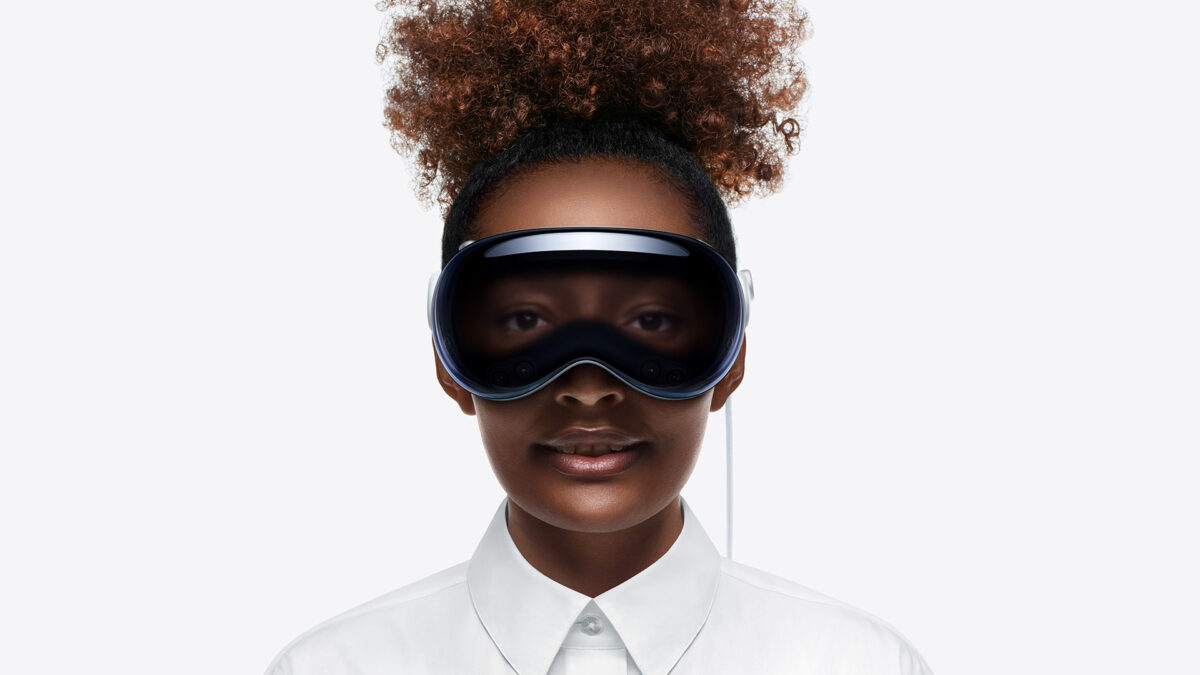
Apple released the visionOS 27 developer beta on June 19, and it's the most significant Vision Pro software update since launch. With Apple having effectively halted new Vision Pro hardware, this update is doing the heavy lifting — and it actually delivers. Here's what changed, what it means for current owners, and whether it tips the scales for potential buyers.
Release
Developer beta now, public release fall 2026. Works on both M2 and M5 Vision Pro models.
Headline Feature
Visual Siri — look at anything and ask Siri about it. The most useful Vision Pro feature since launch.
Our Take
A genuine step forward for current owners. Not enough alone to justify buying a Vision Pro at $3,499.
What Is Visual Siri and Why Does It Matter?
Visual Siri is the standout feature of visionOS 27, and it's arguably the first Vision Pro capability that feels like genuine spatial computing rather than "big screen on your face." Here's how it works: Siri now appears as a luminous 3D sphere that you can move freely in your space. When you see something — a product, a sign in a foreign language, a plant you can't identify — you look at it and ask Siri. The headset's cameras capture what you're seeing, and Apple's Visual Intelligence processes the query.
This transforms the Vision Pro from a passive display into an active AI assistant that understands your visual environment. It's similar to what Meta Ray-Ban smart glassesdo with their AI camera features, but executed in a spatial computing context with much richer visual detail. UploadVR called visionOS 27 "a much bigger update than Apple's keynote suggested," and Visual Siri is the primary reason.
What Are Spatial Panoramas?
Spatial Panoramas turn your existing panoramic photos into immersive environments. Instead of Apple's pre-built environments (Yosemite, Mount Hood, etc.), you can now surround yourself with your own photos — a beach vacation, a mountain hike, your childhood home's backyard. The panoramic image wraps around you and creates a genuine sense of place.
This sounds like a small feature, but it addresses one of the Vision Pro's biggest complaints: the environments felt impersonal. Now every user gets unlimited custom environments from their own photo library. It's particularly compelling for remote workers who want to "work from" different locations, or travelers who want to revisit places they've been.
What Else Changed in visionOS 27?
Beyond the two headline features, visionOS 27 includes a significant list of improvements:
Curved Windows: App windows can now curve to follow your gaze, reducing head movement for wide content. This is particularly useful for spreadsheets, code editors, and multi-window workflows.
3x Faster Wi-Fi Connection: The Vision Pro now connects to Wi-Fi up to three times faster when you put it on. This eliminates the frustrating wait before you can start using the headset — a quality-of-life improvement that makes it feel more like picking up your phone than booting a computer.
Redesigned Control Center: Smaller widgets, expanded notification management, and a cleaner layout that takes better advantage of spatial UI.
Spatial Accessories API: Third-party developers can now build physical accessories with IR LEDs and IMUs for six-degrees-of-freedom tracking at up to 90Hz. This opens the door to custom controllers, styluses, and specialized tools — potentially the most important developer feature in visionOS 27.
Do M5-Exclusive Features Matter?
Two visionOS 27 features are exclusive to the M5 Vision Pro: enhanced spatial persona rendering (your avatar looks more realistic in FaceTime) and higher-fidelity hand tracking. If you own the original M2 model, you get everything else — Visual Siri, Spatial Panoramas, curved windows, faster Wi-Fi, and the Spatial Accessories API.
Our take: the M5 exclusives are nice-to-haves, not must-haves. If you already own an M2 Vision Pro, there's no reason to upgrade to M5 just for these two features. If you're buying new, the M5 model is the obvious choice since both models cost $3,499 new — but the M2 can be found refurbished on eBay for around $2,000, which is a significant savings.
Should You Buy a Vision Pro Because of visionOS 27?
If you already own a Vision Pro:visionOS 27 is the update you've been waiting for. Visual Siri alone justifies the excitement — it makes the headset genuinely useful in daily life rather than just a premium media device. Update when the public beta or final release arrives this fall.
If you're considering buying: visionOS 27 makes the Vision Pro more compelling than ever, but the fundamental calculus hasn't changed. At $3,499 new, it's still a premium niche product with no hardware successor planned. The Samsung Galaxy XR at $1,799 offers a credible alternative at half the price, with a growing Android XR ecosystem.
If you want spatial computing on a budget: The Meta Quest 3 at $597 and Quest 3S at $350 offer capable VR/MR at a fraction of the price. They lack the polish of visionOS, but for gaming, media, and casual productivity, they deliver excellent value. Compare all headsets in our AR/VR guide.
Related Articles
visionOS 27 FAQ
Common questions about visionOS 27 and Apple Vision Pro
Quick answers about the biggest Vision Pro software update and whether it changes the buying decision.
When does visionOS 27 release to the public?
visionOS 27 is currently in developer beta as of June 19, 2026. The public release is expected this fall alongside iOS 27, iPadOS 27, and macOS 27 — likely in September or October 2026.
Does visionOS 27 work on both M2 and M5 Vision Pro?
Yes, visionOS 27 works on both the original M2 Vision Pro and the M5 refresh. However, two features — enhanced spatial persona rendering and higher-fidelity hand tracking — are exclusive to the M5 model.
Is visionOS 27 enough reason to buy an Apple Vision Pro?
Only if you were already considering it. visionOS 27 makes the Vision Pro meaningfully more useful with Visual Siri and spatial panoramas, but at $3,499 new ($2,000 refurbished), it remains a premium niche product. The Samsung Galaxy XR at $1,799 is a credible alternative for half the price.
What is Visual Siri on Vision Pro?
Visual Siri combines Apple's Visual Intelligence with Siri on Vision Pro. You can look at any object in your real or virtual environment and ask Siri about it — 'What is this?', 'How much does this cost?', 'Translate this sign.' Siri appears as a 3D luminous sphere you can position anywhere in your space.
Can I use my own photos as Vision Pro environments?
Yes, starting with visionOS 27. Spatial Panoramas lets you turn your panoramic photos into immersive environments that surround you. Landscapes, cityscapes, beach shots, and travel photos can become spatial backdrops instead of flat images on a wall.