Samsung Galaxy XR vs Apple Vision Pro: Which Spatial Computing Headset Should You Buy in 2026?
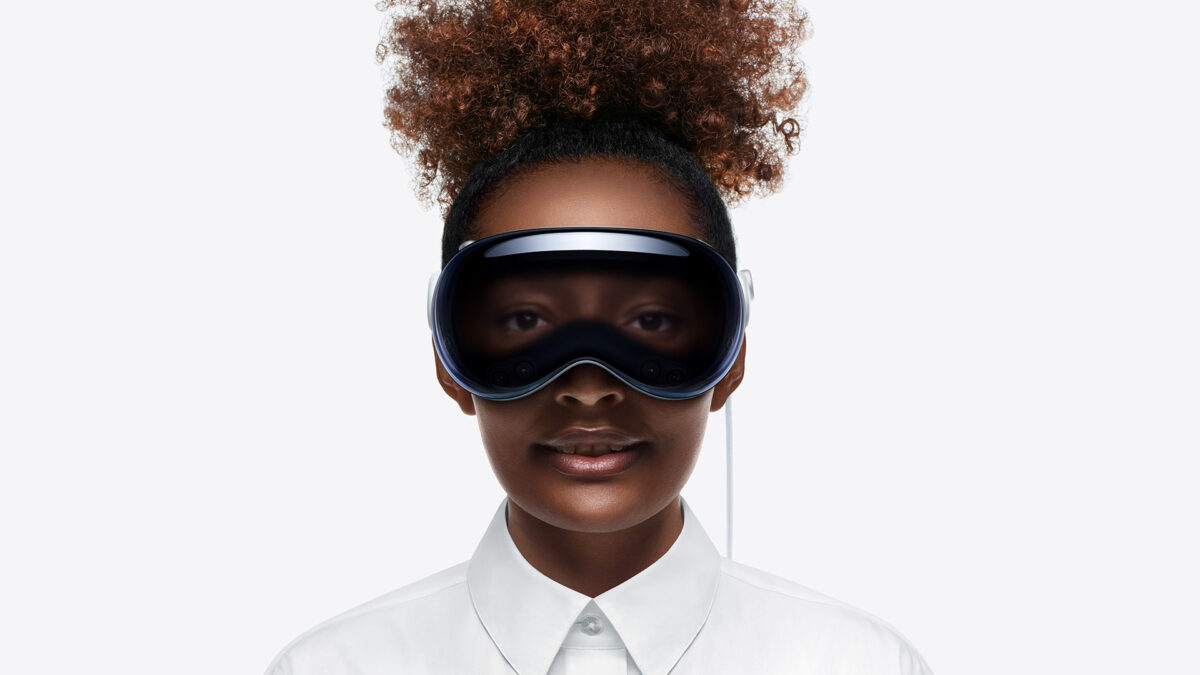
For the first time since Apple launched the Vision Pro in early 2024, there's a credible alternative in the spatial computing space. Samsung's Galaxy XR — powered by Android XR and Qualcomm's Snapdragon XR2+ Gen 3 — launched in the US at $1,799 and just opened UK pre-orders at £1,699. At roughly half the price of the $3,499 Vision Pro, it's forcing the question every potential headset buyer needs to answer: which one is actually worth your money?
Galaxy XR
$1,799 · ~400g · Android XR · Full Google Play Store · Dual 4K AMOLED at 90Hz · Eye + hand tracking
Vision Pro
$3,499 ($2,000 refurb) · ~650g · visionOS 27 · Micro-OLED · Best-in-class tracking · M5 chip
Our Verdict
Galaxy XR for most buyers. Vision Pro only if you need the best display quality or are deep in the Apple ecosystem.
How Do the Displays Compare?
The Vision Pro's micro-OLED displays remain the gold standard — higher pixel density, better contrast, and virtually no screen-door effect. Samsung's dual 4K AMOLED panels at 90Hz are excellent by any other measure, and reviewers note they're a clear step up from the Meta Quest 3's LCD panels. For media consumption and productivity, both headsets deliver sharp, immersive visuals. The Vision Pro edge is real but matters most to videographers and design professionals who need pixel-perfect accuracy.
How Does Tracking and Input Compare?
This is where the Vision Pro maintains its clearest advantage. Apple's eye tracking is precise enough to serve as a primary input method — you look at something and pinch to select, and it works reliably. The Galaxy XR's eye tracking is functional but less consistent. Tom's Guide specifically flags occasional input misregistration, and several reviewers recommend keeping optional controllers handy as a backup.
Hand tracking tells a similar story: the Vision Pro's is best-in-class, while the Galaxy XR's is good enough for most tasks but occasionally frustrating for precise interactions. Samsung and Google are improving tracking through software updates, but as of June 2026, Apple's two-year head start shows.
Which Has the Better App Ecosystem?
This is the Galaxy XR's trump card. By running Android XR with full Google Play Store access, the Galaxy XR has access to thousands of Android apps on day one — including games, productivity tools, and streaming services. You can run Android's best apps, multitask across virtual screens, and even connect to a PC for PCVR content. Android Central called this the thing that "achieves something Meta and Apple couldn't."
The Vision Pro has a smaller but higher-quality library of spatial-native apps built for visionOS. Apple's developer tools are more mature, and the spatial apps that do exist (Jig Space, 3D modeling tools, spatial video editing) are polished. But the sheer quantity gap favors Samsung.
How About Comfort and Weight?
The Galaxy XR weighs approximately 400 grams with a balanced aluminum frame and soft mesh strap — noticeably lighter than the Vision Pro's ~650 grams. For extended use (2+ hours), this difference matters significantly. Multiple reviewers cite the Galaxy XR as more comfortable for movie-length sessions.
The Vision Pro's weight has been its most consistent criticism since launch. The optional Dual Loop Band helps distribute weight better, but it's still a heavier device. If comfort for extended sessions is a priority, the Galaxy XR has a meaningful advantage.
Which Headset Should You Buy?
Buy the Samsung Galaxy XR ($1,799) if:You want the best value in spatial computing, use Android/Samsung devices, prioritize app availability and comfort, or simply don't want to spend $3,499. It delivers roughly 80% of the Vision Pro experience at ~51% of the price.
Buy the Apple Vision Pro ($3,499 new / $2,000 refurbished) if: You need the absolute best display and tracking quality, are invested in the Apple ecosystem, do professional creative work in spatial computing, or want the most polished software experience today.
Consider waiting if:You can hold off 2–3 months. The Galaxy XR's Android XR software is rapidly improving, and Samsung/Google are pushing frequent updates. A Galaxy XR purchased in September 2026 will likely be meaningfully better than one purchased today.
Budget alternative: If $1,799 is too much, the Meta Quest 3 at $597 or Quest 3S at $350 offer capable VR at a fraction of the price. They lack the spatial computing polish of Galaxy XR and Vision Pro, but for gaming and media consumption, they're excellent values. Compare all headsets in our AR/VR guide.
Related Articles
Headset FAQ
Common questions about Galaxy XR vs Vision Pro
Quick answers to help you choose between the two leading spatial computing headsets in 2026.
Is the Samsung Galaxy XR better than the Apple Vision Pro?
It depends on your priorities. The Galaxy XR offers 80% of the Vision Pro experience at roughly half the price ($1,799 vs $3,499). Vision Pro wins on display quality, eye/hand tracking precision, and software polish. Galaxy XR wins on weight, app availability via Google Play Store, and value for money.
Can the Samsung Galaxy XR replace a laptop?
Partially. The Galaxy XR runs full Android apps and supports multitasking with virtual screens, plus it can connect to a PC for PCVR content. However, Android XR is still new, and the spatial productivity tools aren't as mature as visionOS. For light productivity it works; for heavy work, both headsets supplement rather than replace a laptop.
Should I wait for the Meta Quest 4 instead?
The Meta Quest 4 isn't expected until 2027. If you want a spatial computing headset in 2026, the Galaxy XR and Vision Pro are the premium options. For budget VR, the Meta Quest 3 at $597 and Quest 3S at $350 are available now.
Does the Samsung Galaxy XR work with iPhone?
The Galaxy XR runs Android XR and is optimized for the Samsung/Google ecosystem. It does not integrate with iPhone or Apple services. iPhone users who want a spatial computing headset should choose the Apple Vision Pro or consider the Meta Quest 3, which works with any smartphone.
Is the Apple Vision Pro worth $3,499 in 2026?
For most people, no. Apple has halted Vision Pro hardware development, and sales have been disappointing. At $3,499 new or $2,000 refurbished on eBay, it's a premium niche product. The Galaxy XR at $1,799 offers a compelling alternative for less than half the price.