Australia Demands Smart Glasses Auto-Blur Faces: eSafety Commissioner Pushes New Privacy Protections as Government Overhauls Privacy Act
Australia's eSafety Commissioner is urging smart glasses manufacturers to automatically blur the faces of non-consenting bystanders and make tamper-resistant recording indicators mandatory. The recommendation comes as Attorney-General Michelle Rowland announced sweeping Privacy Act reforms on August 31, while ruling out an outright import ban on smart glasses.
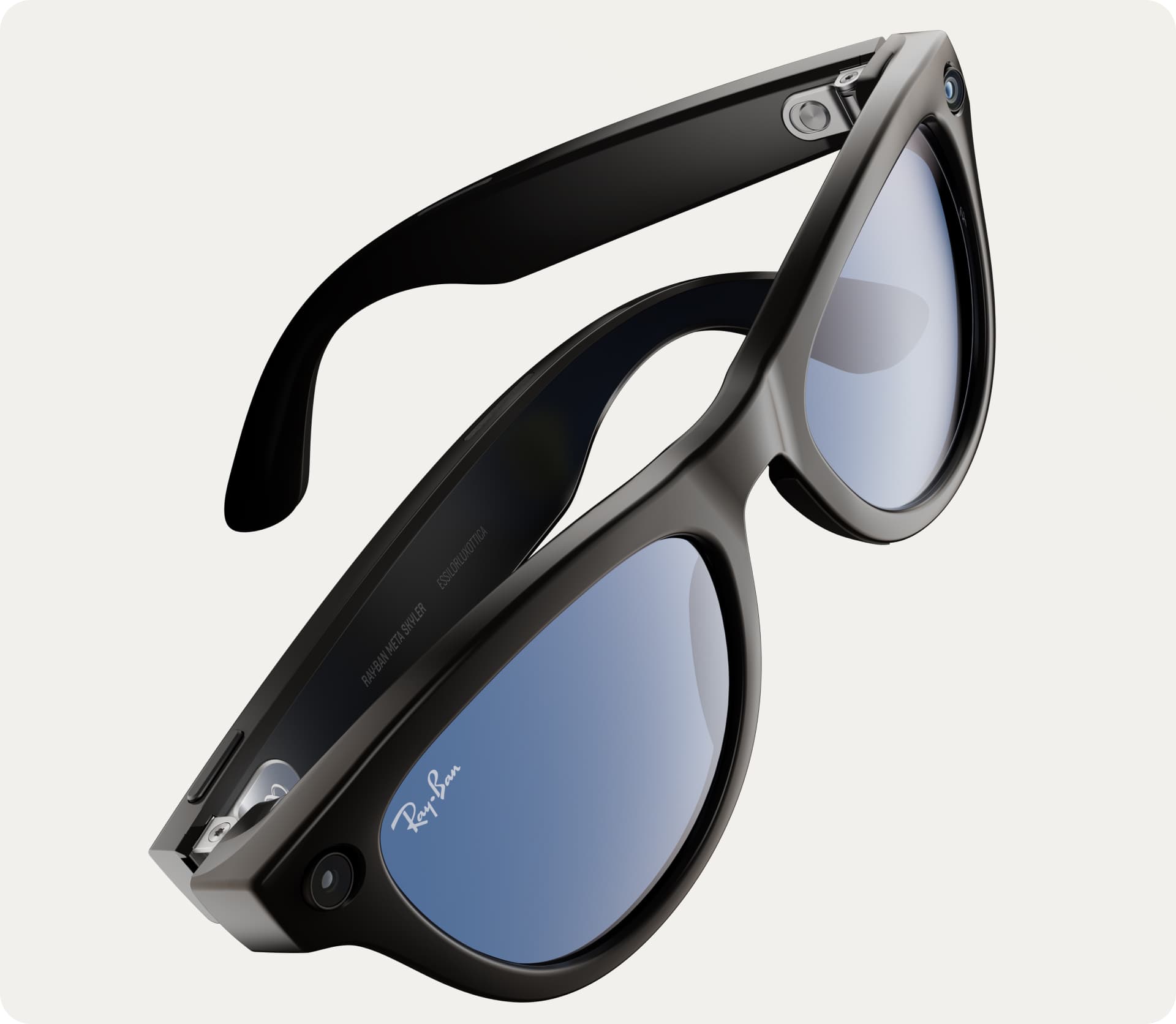
Featured Product
Meta Ray-Ban (Gen 2) Smart Glasses
The newest generation Meta Ray-Ban — 2x battery life, 3K HD video, and upgraded Meta AI in the same iconic Ray-Ban frame.
Starting At
$379
Australia's online safety regulator is pushing for smart glasses manufacturers to build automatic face-blurring technology directly into their products, according to a new report from the eSafety Commissioner published alongside the government's sweeping Privacy Act reform announcement on August 31.
What the eSafety Commissioner Wants
The eSafety Commissioner is calling on camera-equipped smart glasses manufacturers to:
- Auto-blur faces: Automatically blur the faces of people who have not consented to being filmed
- Tamper-resistant indicators: Make recording LED lights more visible and impossible to cover or disable
- Privacy by design: Build stronger privacy protections into devices from the ground up rather than relying on after-market fixes
Government Rules Out Ban
Despite growing pressure from the Greens and crossbench politicians, Attorney-General Michelle Rowland has confirmed that Australia will not implement an import ban on smart glasses. Instead, the government is pursuing a regulatory approach through broader Privacy Act reforms, including measures like IDLock — a government-backed identity protection tool available through the MyGov platform from 2027.
Why This Matters Globally
Australia's push could set a precedent for other markets. The EU is already evaluating similar requirements under the AI Act, and US lawmakers have introduced bills targeting facial recognition in wearables. If auto-blur becomes standard, it could reshape how Ray-Ban Meta ($379) and the upcoming Samsung Galaxy Glasses handle camera functionality.
What This Means for Buyers
Current smart glasses owners are not affected by the recommendations yet — these are proposals, not regulations. But buyers considering camera-equipped glasses should be aware that future firmware updates or next-generation models may include mandatory privacy features. If you prefer a camera-free option, the RayNeo iO ($479) and Even Realities G1 offer AI-powered smart glasses without cameras. Browse all options in our smart glasses guide.
Go deeper on Meta Ray-Ban (Gen 2) Smart Glasses
Move from this news update into the key money pages so you can compare pricing, read the full review, and see similar products in context.
Keep researching this story
Related News
Samsung Official Confirms Galaxy Glasses Launch in November 2026: Price, Specs, and What to Expect
3 min read
updateCamera-Free Smart Glasses Go Mainstream: Meta Audio, Samsung Galaxy Glasses, and HTC Vive Eagle Lead Privacy-First Trend
3 min read
updateOura's 4x Oversubscribed IPO Validates Smart Ring Category: Eli Lilly, Dragoneer Back $2.2B Offering
2 min read