EU Exempts Smartwatches, Smart Glasses, and Earbuds from Replaceable Battery Requirement
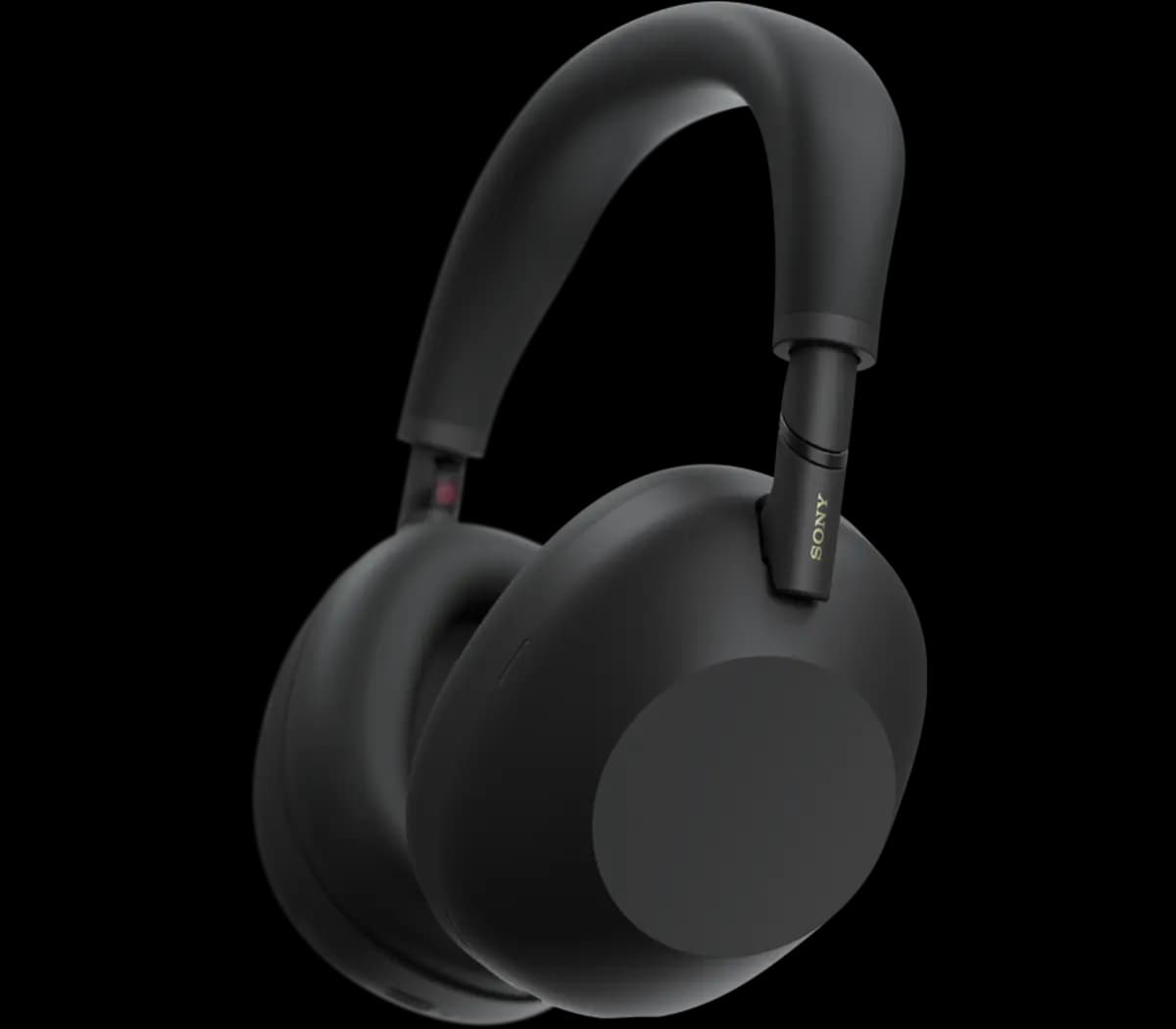
The European Commission adopted a delegated act on July 14 formally exempting smartwatches, fitness trackers, smart glasses, and wireless earbuds from the EU's upcoming user-replaceable battery requirement. The rule, part of the Batteries Regulation set to take effect in February 2027, would have required consumer electronics to have user-swappable batteries. The exemption cites safety, water resistance, and the compact sealed designs that wearables require. Batteries must still be replaceable by an independent professional.
Featured Product
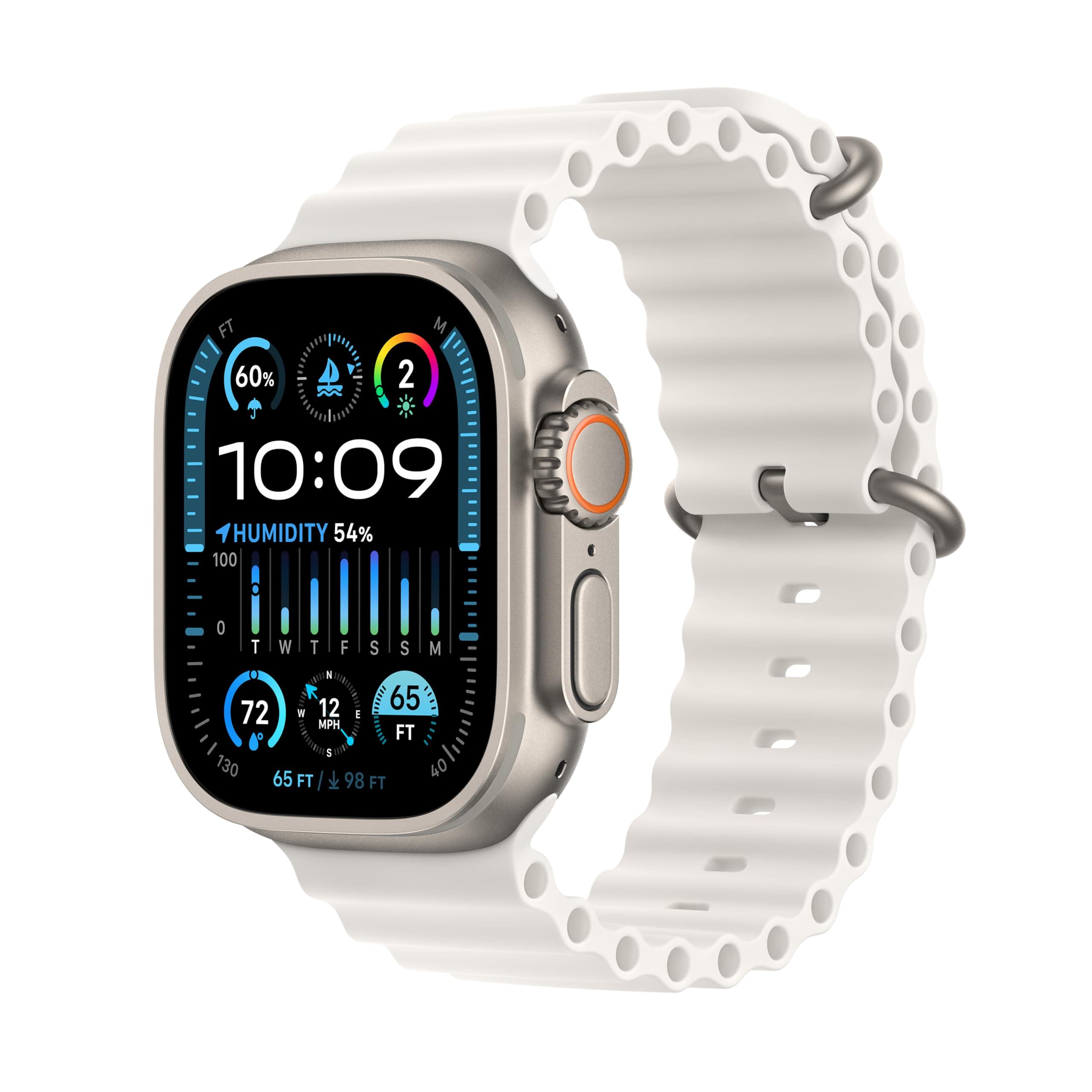
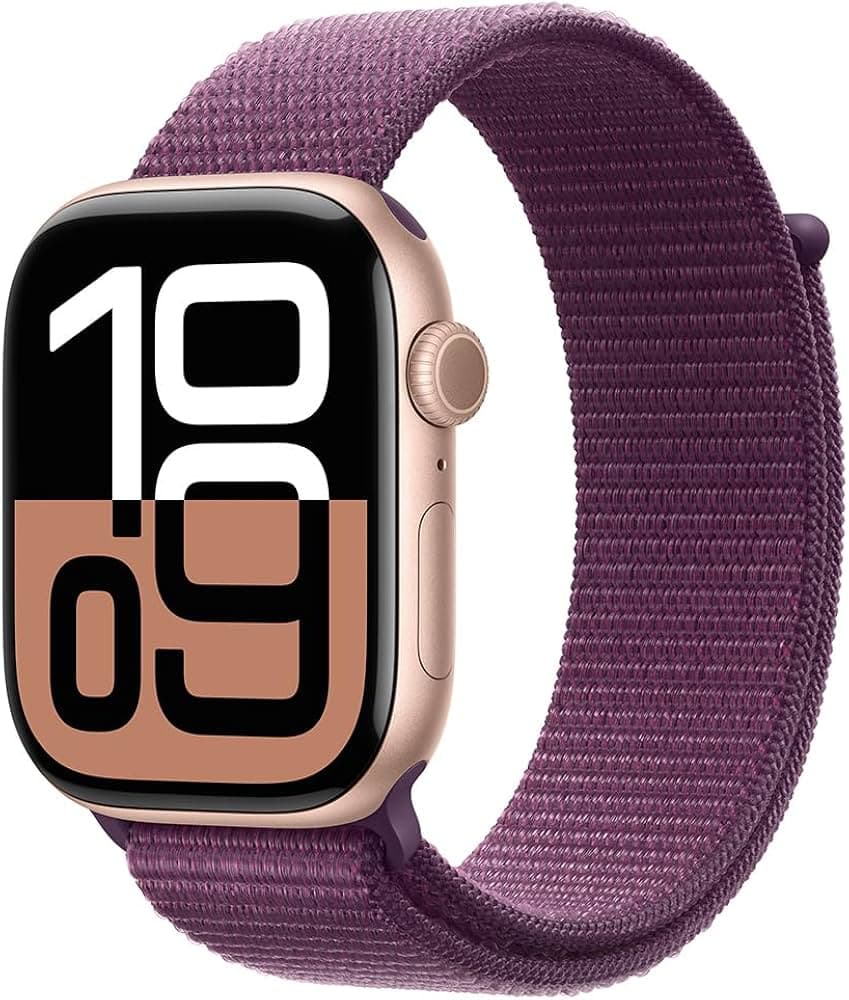
Apple Watch Series 11
The world's most popular smartwatch — now with blood pressure monitoring, sleep apnea detection, and the brightest display ever.
Lowest tracked price
$267
Listed as Open box, not confirmed · at eBay · offer data last updated Jul 19, 2026 Price may be out of date
The European Commission has formally exempted wearable devices from the EU's upcoming user-replaceable battery requirement. The delegated act, adopted on July 14, 2026, means smartwatches, fitness trackers, smart glasses, and wireless earbuds will not need user-swappable batteries when the rule takes effect in February 2027.
What Devices Are Exempt
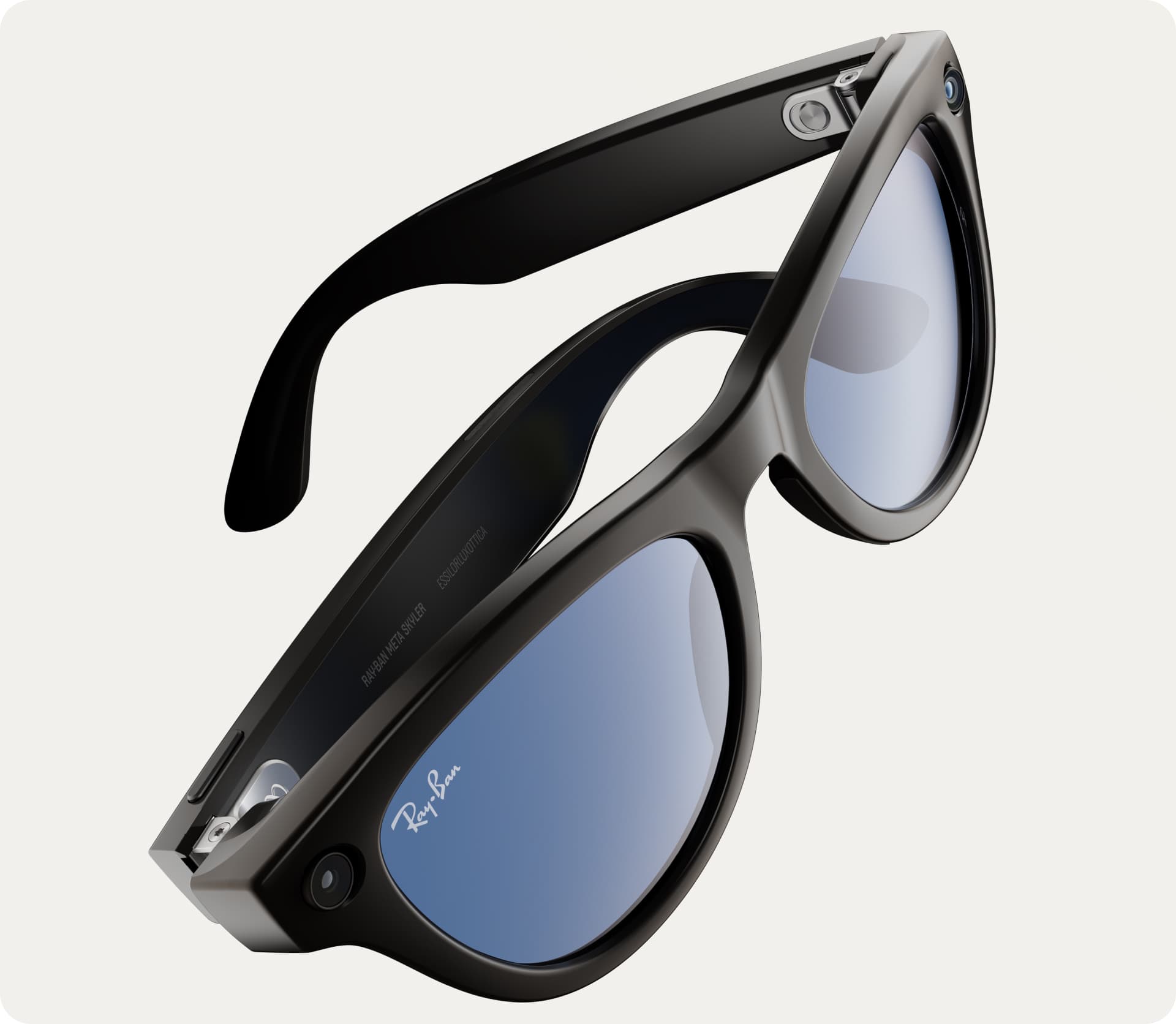
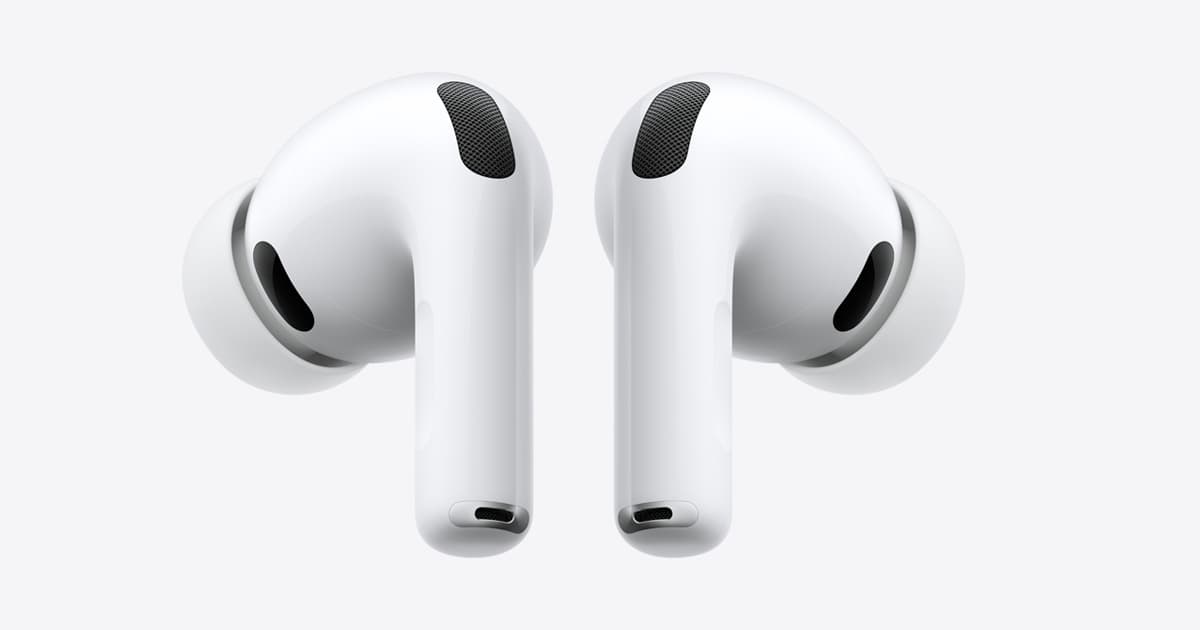
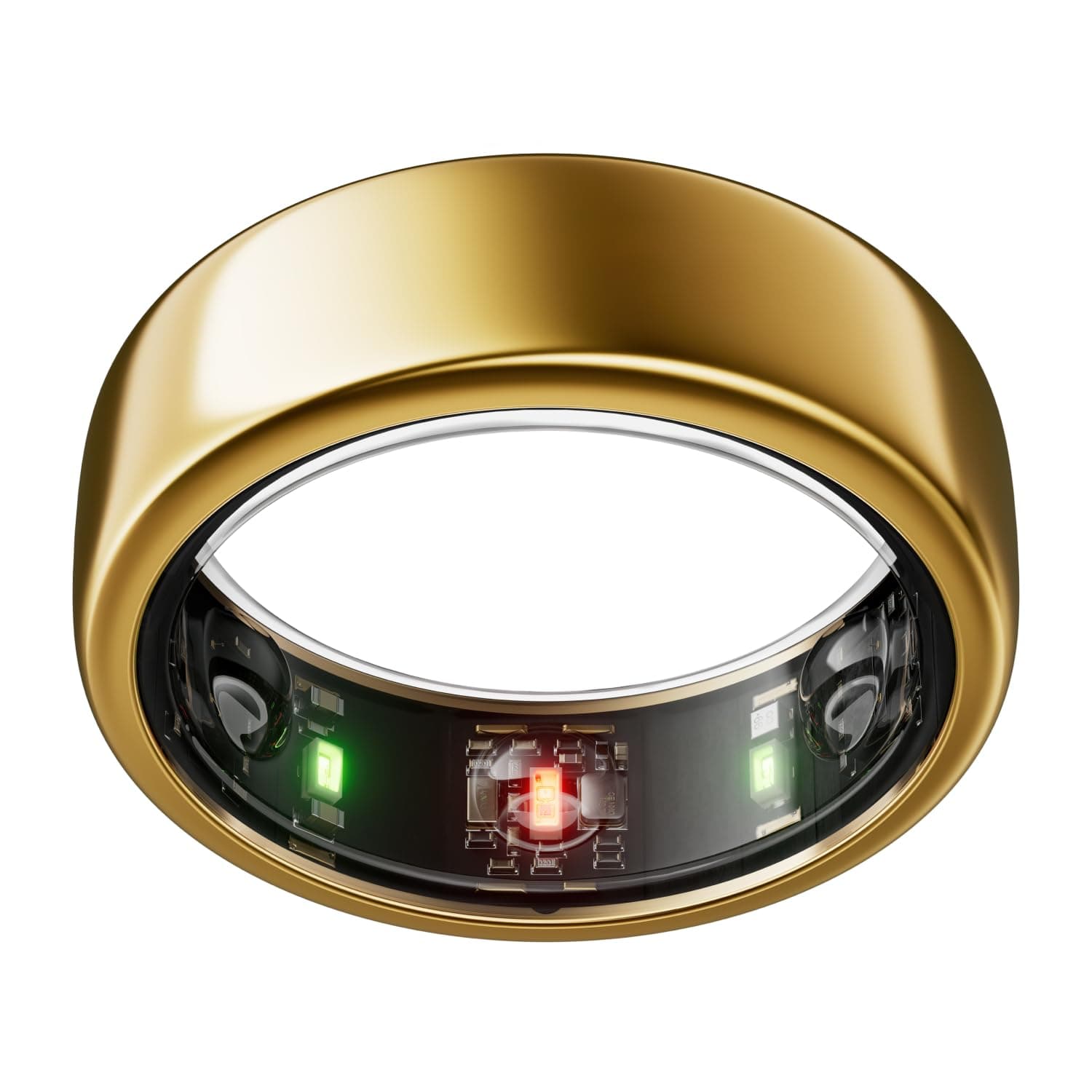
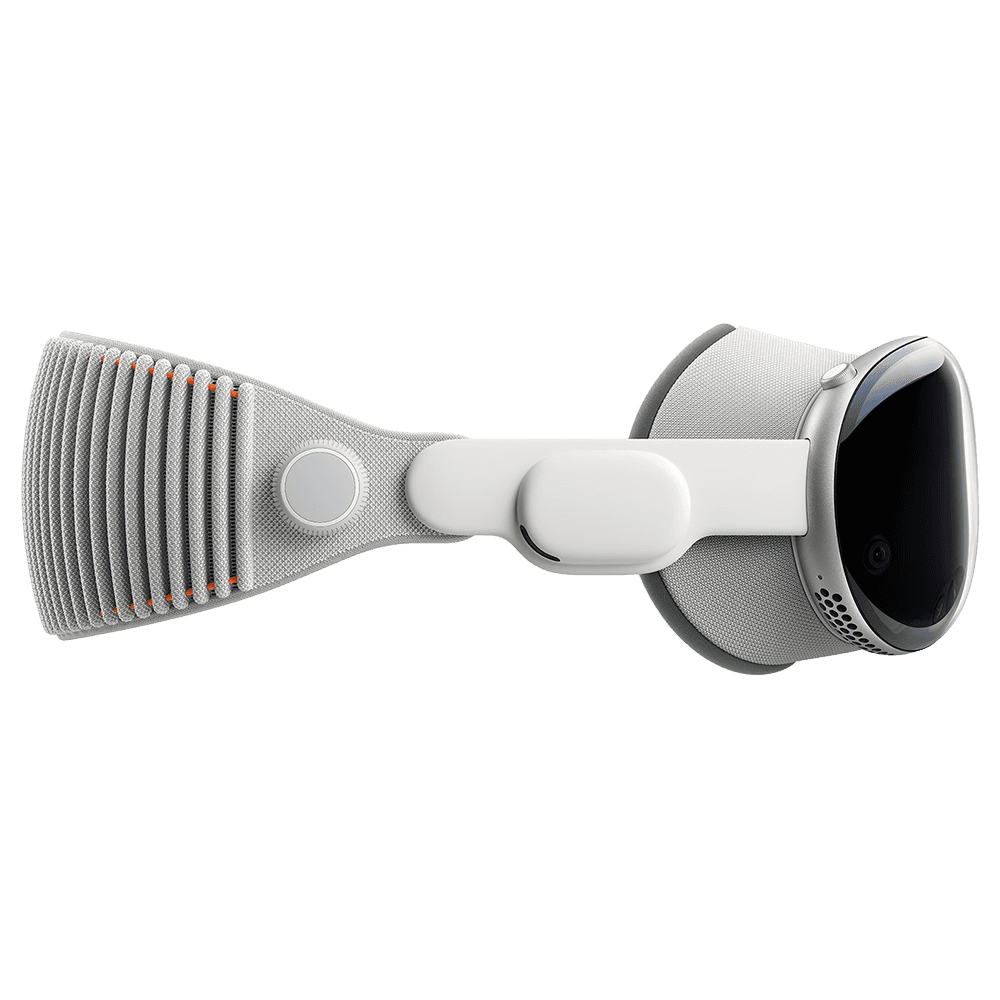
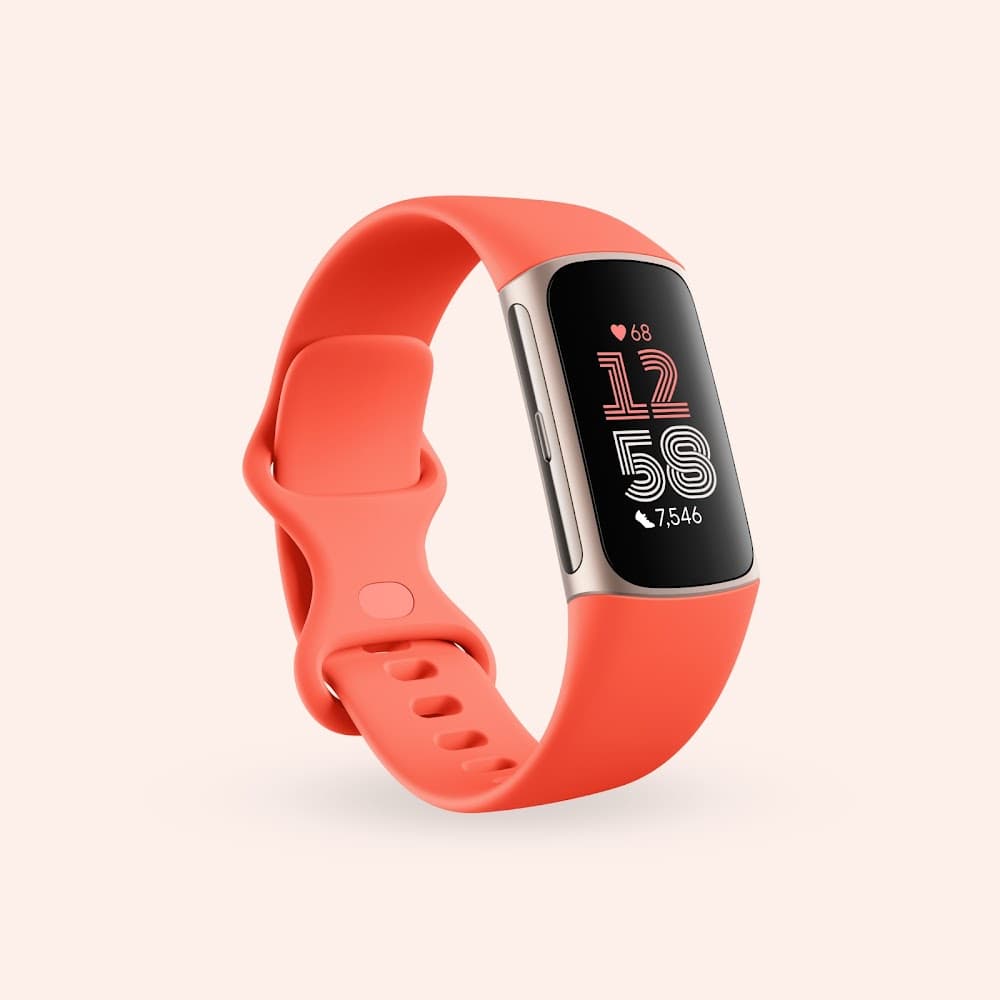
The Commission specifically lists "smartwatches, fitness trackers, smart glasses or other electronic devices integrated into clothing and other accessories" as exempt categories. This covers virtually every wearable product currently on the market — from the Apple Watch and Galaxy Watch to Meta Ray-Ban smart glasses and AirPods.
Why the Exemption
The Commission cited three primary reasons:
- Safety concerns: Devices too small for safe user battery replacement
- Water resistance: Sealed enclosures required for IP68/IP69K ratings would be compromised
- Durability: Compact, sealed designs are essential for wearable form factors
The exemption also came after the US ambassador to the EU publicly criticized the battery rules, which reportedly delayed the European rollout of Meta's smart glasses.
Important Limitation
While users won't need to replace batteries themselves, wearable batteries must still be replaceable by an independent professional — not just the manufacturer. This means third-party repair shops must be able to service wearable batteries, even if consumers cannot.
What This Means for Buyers
For consumers, this changes nothing about how current wearables work — your Apple Watch Ultra 3 and Oura Ring will continue to be sealed devices serviced by authorized repair centers. The practical impact is that future wearables won't need to be redesigned with bulkier, user-accessible battery compartments — preserving the slim, water-resistant designs buyers expect. For the broader market, the exemption removes a regulatory uncertainty that had slowed some product launches in Europe, including Meta's smart glasses rollout. Browse our smartwatch guide and smart glasses guide for the latest options.
Related Products
Go deeper on Apple Watch Series 11
Move from this news update into the key money pages so you can compare pricing, read the full review, and see similar products in context.
Keep researching this story
Related News
Samsung Galaxy Buds On Officially Launch: $220 Clip-On Earbuds with Gemini Live Hit Korea October 27
3 min read
updateGarmin Revives Fenix 6 with First Update in 18 Months: Beta 29.02 Fixes Race Predictor Bug
2 min read
product launchSamsung Official Confirms Galaxy Glasses Launch in November 2026: Price, Specs, and What to Expect
3 min read