Apple Smart Glasses Privacy Camera Debate: No-Camera Prototype Revealed — Should You Wait for WWDC 2027? (2026)
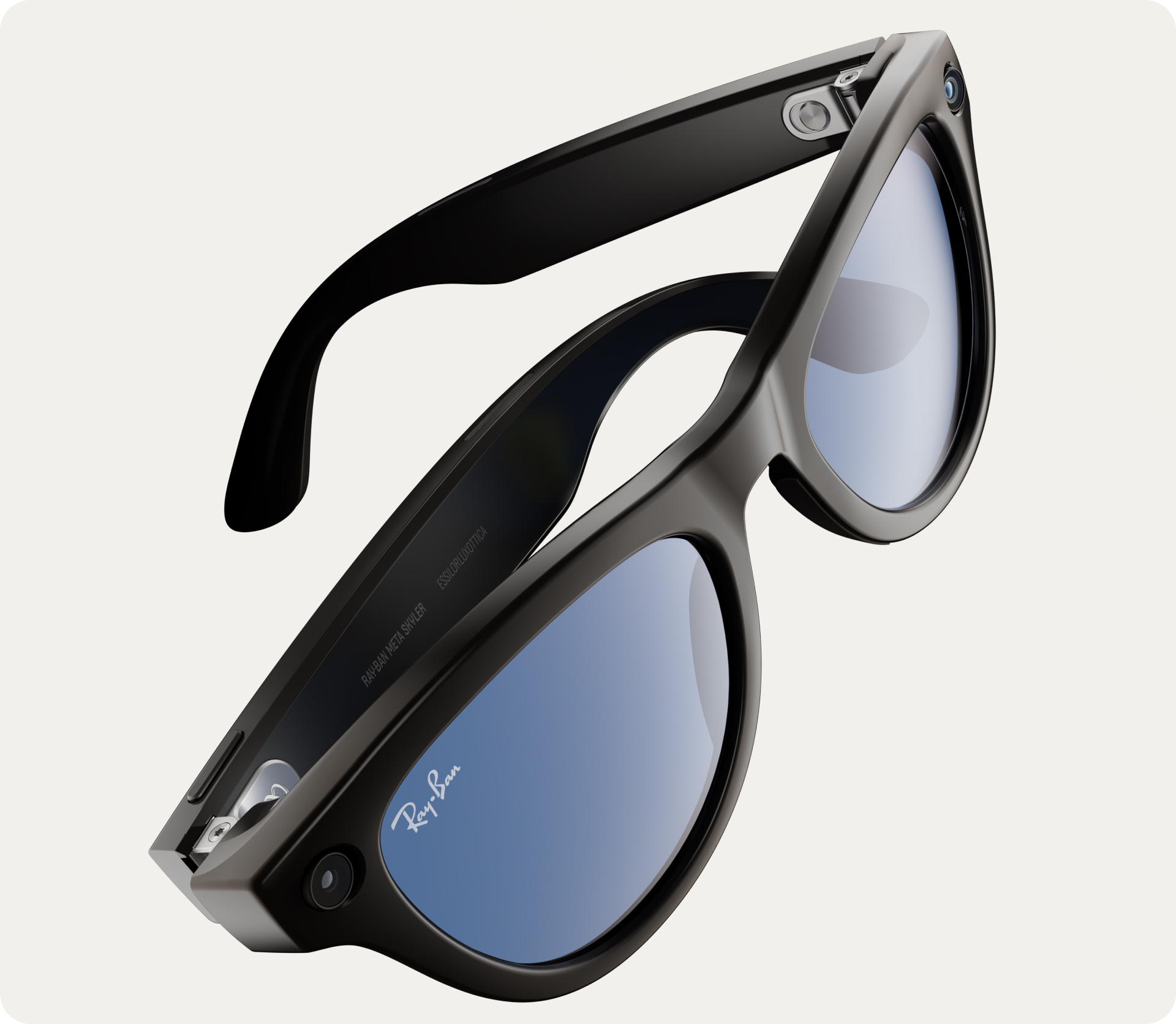
Bloomberg's Mark Gurman dropped a bombshell on July 26: Apple has built smart glasses prototypes without cameras. In a market where Meta puts a 12MP sensor on every pair and Samsung's upcoming Galaxy Glasses feature a camera front and center, Apple is seriously considering the one move no competitor has dared — launching smart glasses that can't see.
The News
Apple prototypes smart glasses without cameras. Targeting WWDC 2027 reveal, late 2027 shipping. Privacy is the core pitch.
Who It Affects
Anyone considering smart glasses. Privacy-conscious buyers may now wait for Apple. Camera-focused buyers should look at Meta or Samsung.
Our Take
Apple is betting privacy can sell glasses. It's a bold bet — but 16 months is too long to wait unless privacy is your absolute top priority.
What Did Bloomberg Actually Report About Apple's Smart Glasses?
Bloomberg's July 26 report reveals that Apple's engineering teams have built three distinct smart glasses prototypes, each representing a different answer to the most controversial question in wearable tech: should smart glasses have cameras?
- No-camera prototype: Speakers, microphones, and Apple Intelligence — no visual capture at all. AI features work through audio only.
- Camera-limited prototype: Cameras feed visual data to AI tools (object ID, text reading, scene understanding) but cannot save photos or record video.
- Full-camera prototype: Photo and video recording with enhanced privacy indicators — closer to Meta's approach but with stronger safeguards.
Apple is also developing new privacy features beyond anything on current Apple products. The company will reportedly avoid facial recognition, continuous environmental scanning, and using customer recordings to train AI models. On-device processing will handle most AI tasks.
Why Is Apple Considering Smart Glasses Without Cameras?
The answer is public distrust. Meta has sold over 10 million pairs of camera-equipped smart glasses, but the privacy backlash has been significant. Reports of people being secretly recorded in restaurants and gyms have led to bans in some venues. A July 2026 Apple Insider report found that public distrust in smart glassesis now Apple's biggest challenge — not technology.
Apple apparently concluded that it can't simply add a camera and expect the same level of trust it enjoys with iPhone and Apple Watch. The company is prototyping multiple approaches to find the right balance between AI capability and social acceptance.
Notably, Even Realities has already proven the camera-free model works. The G2 — a $599 pair of smart glasses with a heads-up display but no camera — has users averaging 8–10 hours of daily wear, far exceeding industry benchmarks. Even Realities just raised $150M at a $1 billion valuation. Apple is clearly watching.
How Does Apple's Approach Compare to Meta and Samsung?
The smart glasses market is splitting into three distinct philosophies heading into fall 2026:
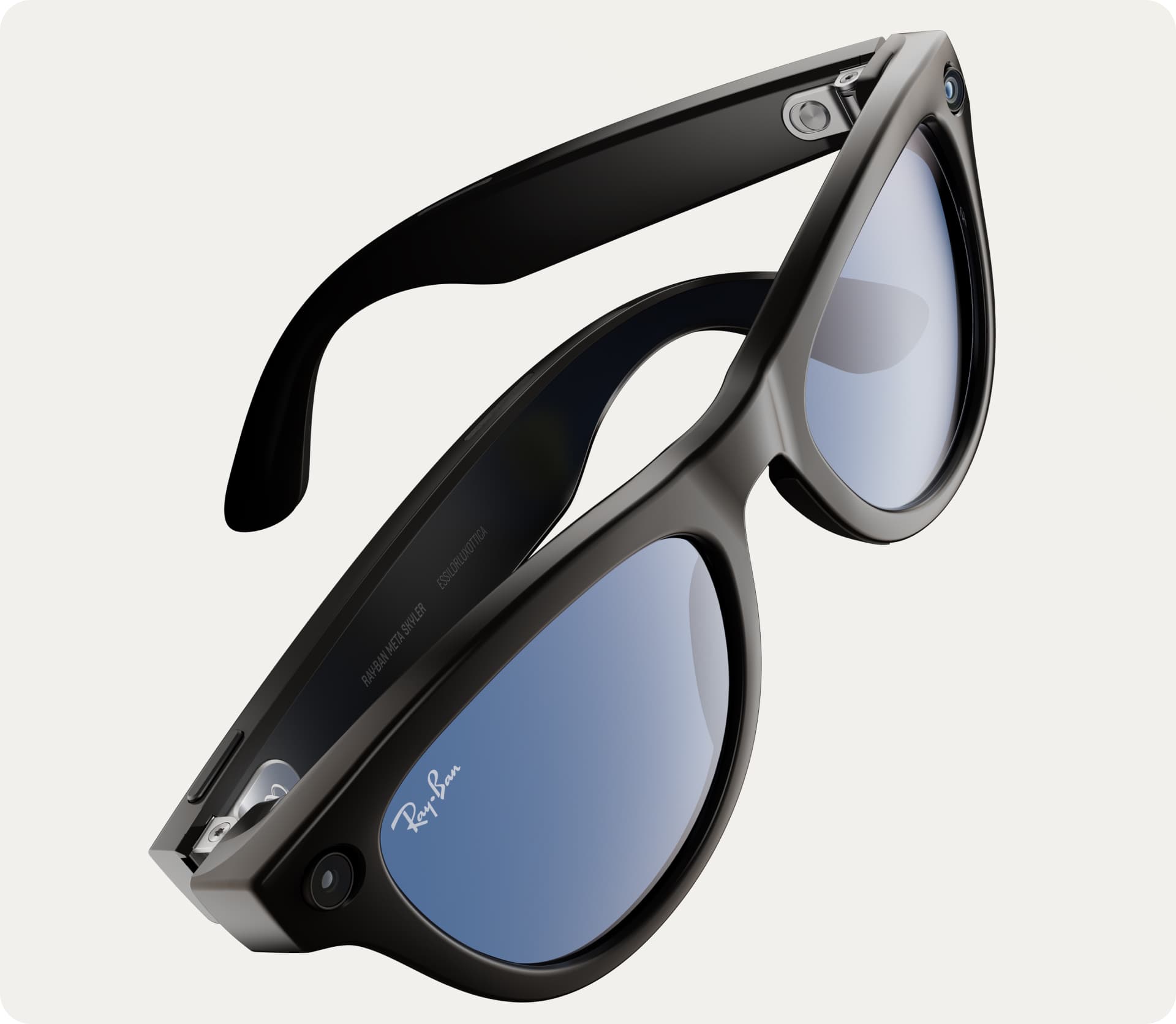
- Meta (Camera-First): Ray-Ban Meta ($379) and the upcoming Meta Glasses ($299) both feature cameras as a core selling point. Meta sees visual AI as the primary use case and accepts the privacy trade-off. Connect 2026 on September 23 will likely reveal even more camera-forward products.
- Samsung (Camera-Included): Galaxy Glasses launching this fall include a 12MP camera integrated with Gemini AI. Samsung is following Meta's playbook rather than Apple's privacy path.
- Apple (Privacy-First): May launch with limited or no camera capability. On-device processing, no facial recognition, no data used for AI training. Targeting the segment of buyers who want smart glasses but not the privacy baggage.
Should You Wait for Apple Smart Glasses or Buy Now?
Apple's glasses are at least 16 months away. WWDC 2027 is in June, shipping by late 2027. That's a long wait. Here's our framework for deciding:
Buy smart glasses now if: You want smart glasses for AI assistance, music, calls, or photos today. The Meta Ray-Ban at $379 is the best all-around choice with a camera. The Even Realities G2 at $599 is the best privacy-friendly option with a display and no camera.
Wait for Apple if:Privacy is your absolute top priority, you're deep in the Apple ecosystem, and you can go 16+ months without smart glasses. Apple's integration with iPhone, Apple Watch, and AirPods could create a seamless experience no competitor can match.
Wait for Samsung Galaxy Glasses if: You want a camera-equipped option from a trusted brand with Galaxy Watch integration. Samsung's Galaxy Glasses launch this fall at an estimated $379–$499 with Gemini AI and gesture control via Galaxy Watch and Galaxy Ring.
What Does This Mean for the Smart Glasses Market?
Apple's entry — even 16 months away — fundamentally changes the competitive landscape. Meta, Samsung, and Snap are all building camera-forward products. Apple may be the first major company to prove that privacy can sell smart glasses, just as it proved privacy could sell phones.
The timing is deliberate. Meta Connect on September 23–24and Samsung's Galaxy Glasses launch this fall will set the market baseline. Apple will then have nine months to position its privacy-first approach as the premium alternative. If it works, expect Meta to rush privacy features into its 2028 lineup.
Our bottom line: Don't wait 16 months for Apple if you want smart glasses now — the current market has excellent options. But if Apple delivers privacy-first glasses with seamless ecosystem integration at $600–$700, it could become the category winner overnight. Compare all smart glasses in our smart glasses guide and use our comparison tool to weigh your options.
Related Articles
- Apple Smart Glasses Delayed to 2027: 5 Best Alternatives to Buy Now
- Camera-Free vs Camera Smart Glasses: Which to Buy?
- Meta Connect 2026 Preview: What to Expect
- Meta Ray-Ban Smart Glasses Full Review
- Meta Ray-Ban Price Tracker
Frequently Asked Questions
When will Apple smart glasses be available to buy?
According to Bloomberg, Apple is targeting a WWDC 2027 reveal in June 2027, with consumer shipments beginning by late 2027. The glasses were originally planned for a 2026 announcement, but Apple delayed the timeline to refine its privacy strategy and AI features.
Will Apple smart glasses have a camera?
Apple hasn't decided yet. Bloomberg reports Apple has prototyped three approaches: glasses with no camera at all, glasses with cameras that assist AI but can't record photos or video, and glasses with full recording capabilities similar to Meta Ray-Ban. The final product will likely include some form of camera, but with stronger privacy protections than competitors.
How are Apple smart glasses different from Meta Ray-Ban?
Apple is positioning privacy as the core differentiator. While Meta Ray-Ban has a 12MP camera that records photos and video, Apple may limit or remove camera recording entirely. Apple will rely on on-device AI processing, avoid facial recognition, and will not use customer data to train AI models. The frames will use premium acetate material with multiple styles available.
Should I buy Meta Ray-Ban now or wait for Apple smart glasses?
If you want smart glasses today, Meta Ray-Ban at $379 or Even Realities G2 at $599 (camera-free) are the best options. Apple's glasses are at least 16 months away and will likely cost $600-$700. Only wait if privacy is your top priority and you're willing to go without smart glasses until late 2027.
How much will Apple smart glasses cost?
Apple has not announced pricing. Earlier reports from supply chain sources suggested a $600-$700 launch price, positioning them above Meta Ray-Ban ($379) but well below Apple Vision Pro ($3,499). The use of premium acetate frames suggests Apple is targeting the mid-premium segment.