
Meta's NameTag Facial Recognition: What Smart Glasses Buyers Need to Know
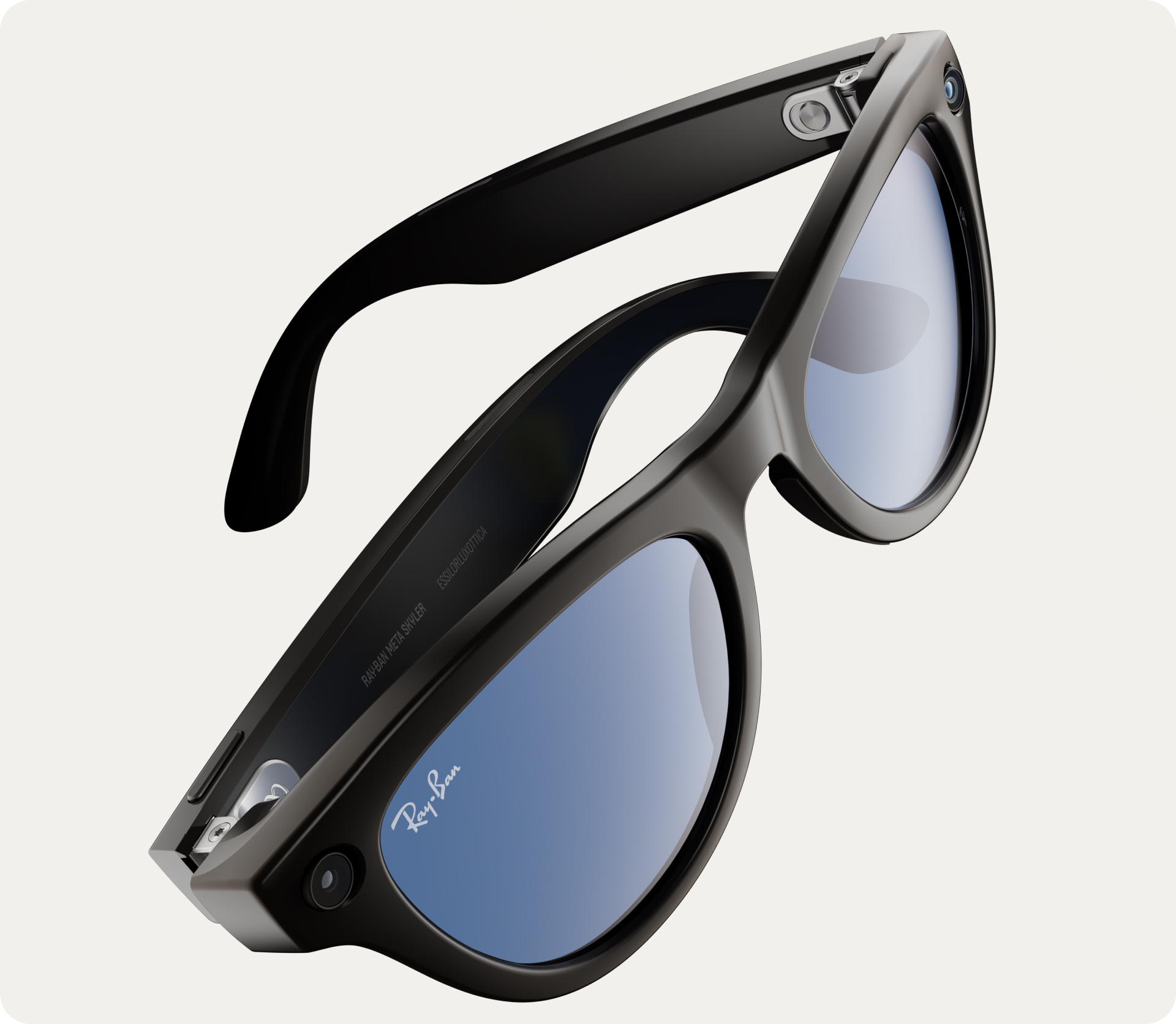
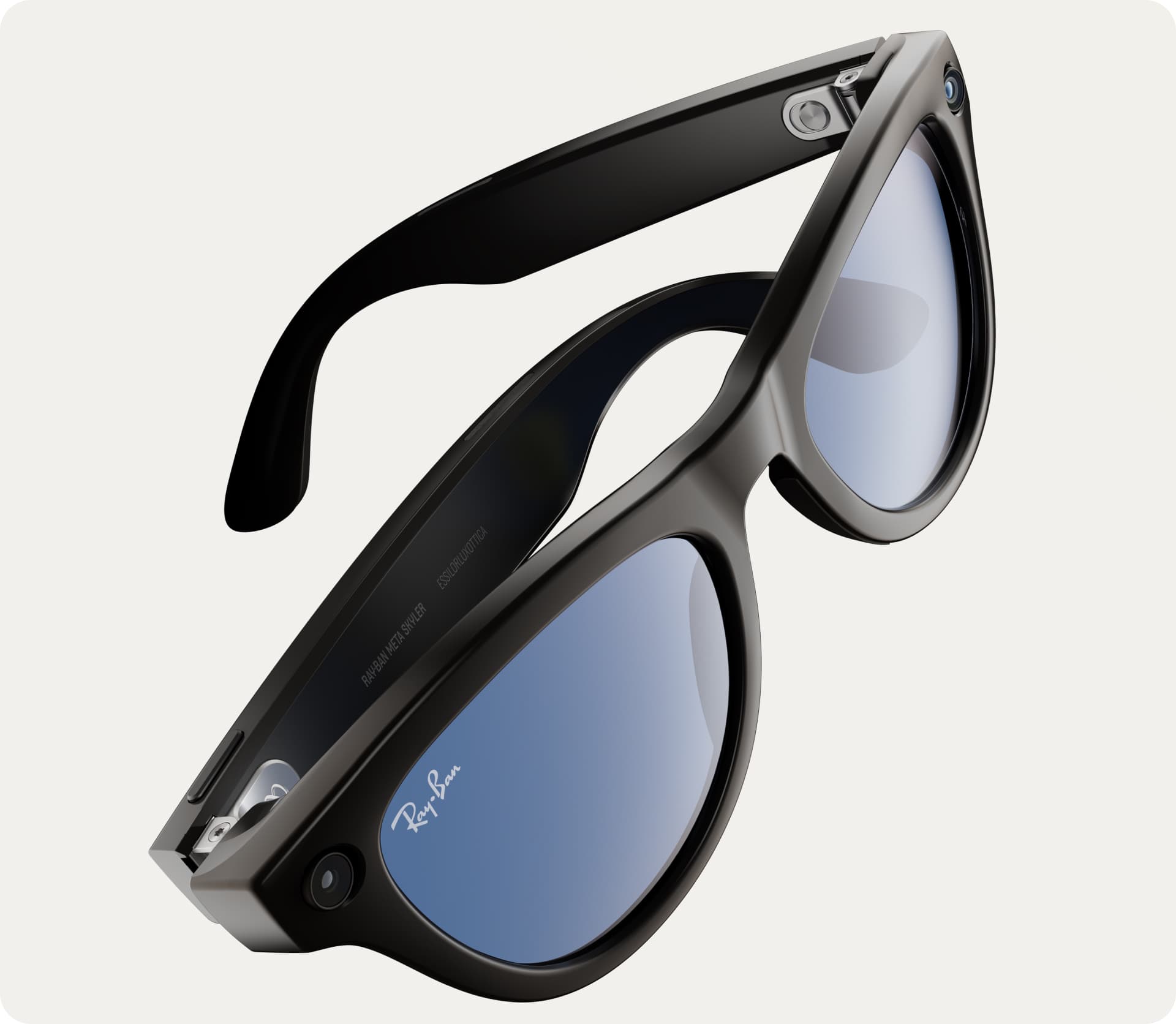
Wired has discovered code for an unreleased facial recognition feature called "NameTag" buried inside Meta's AI app. The feature would let Ray-Ban Meta smart glassescapture faces, build a biometric database on your phone, and alert you when someone is recognized. Meta says it's not active — but its existence raises serious questions about where smart glasses are headed and what buyers should consider.
What Was Found
Code for "NameTag" facial recognition in Meta's AI app — can capture faces, create biometric signatures, and send recognition alerts.
Current Status
Not active or announced. Meta says it's not a formally launched feature. But the code suggests active development.
Privacy Alternative
Brilliant Labs Halo ($349) processes all AI on-device with zero cloud dependency — the most privacy-first smart glasses available.
How Does Meta's NameTag Facial Recognition Work?
According to Wired's analysis of the Meta AI app code, NameTag would work in four steps: First, the Ray-Ban Meta's camera captures a face when the wearer encounters someone. Second, the software converts the face into a biometric signature — a mathematical representation of facial features. Third, that signature is stored in a local database on the user's phone. Fourth, when the glasses detect the same person again, the wearer receives an alert identifying them.
The on-device storage approach sidesteps some cloud privacy concerns — your face database lives on your phone, not Meta's servers. But that doesn't address the fundamental issue: people around you didn't consent to having their face captured and cataloged.
Why Is This a Big Deal for Smart Glasses Buyers?
This isn't Meta's first brush with facial recognition controversy on smart glasses. In 2021, Meta shut down Facebook's facial recognition system after years of lawsuits and backlash. In 2024, Harvard students demonstrated how Ray-Ban Meta glasses could be used to identify strangers in real-time using publicly available data. Earlier this year, a Senate hearing specifically addressed Meta smart glasses facial recognition.
What makes the NameTag discovery particularly concerning is the reported internal strategy: according to a New York Times report, Meta planned to launch the feature during a period when privacy advocacy groups would be "focused on other concerns." This suggests awareness that the feature would face resistance — and a deliberate plan to minimize scrutiny.
For the four new Meta smart glasses models expected later this year — Modelo, Luna, Mojito VIP, and the Oakley successor — facial recognition could become a standard feature rather than an exception.
Which Smart Glasses Offer Better Privacy Protection?
If the NameTag discovery concerns you, several alternatives prioritize privacy:
- Brilliant Labs Halo ($349): All AI runs on-device using the Balletto B1 chip. No data leaves the glasses — ever. Visual and audio inputs are converted into encrypted embeddings locally. The most privacy-first option available.
- Even Realities G1: Display-focused smart glasses that don't include outward-facing cameras at all — eliminating the facial recognition concern entirely.
- Samsung Android XR Glasses (Coming 2026): Samsung and Google's approach starts with audio-only glasses through Warby Parker and Gentle Monster partnerships, avoiding camera-first privacy issues.
Browse all options and compare privacy features in our smart glasses guide.
What Should Current Ray-Ban Meta Owners Do?
Don't panic — NameTag is not active and may never ship publicly. But be aware of what your device is capable of. The Ray-Ban Meta's camera already enables Meta AI visual queries (sending images to Meta's cloud for analysis), and the privacy implications of that alone are worth understanding.
Monitor app updates carefully. If NameTag were to ship, it would likely arrive as a Meta AI app update. Pay attention to new permissions requests and feature announcements. Consider whether an always-on facial recognition database aligns with how you want to use your glasses.
Consider your trade-offs. The Ray-Ban Meta at $379 remains the most capable AI smart glasses on the market — the AI features, camera quality, and audio are genuinely excellent. Whether the privacy trade-off is acceptable depends on your personal values. For those who prioritize privacy above all, the Brilliant Labs Halo at $349 offers a compelling alternative at a similar price point.
Related Articles
Smart Glasses Privacy FAQ
Common questions about Meta NameTag and smart glasses privacy
Quick answers about what the NameTag discovery means for smart glasses buyers and privacy.
Does Meta Ray-Ban have facial recognition right now?
No, the NameTag facial recognition feature is not currently active or available to consumers. Code for the feature was found hidden in Meta's AI app by Wired, but Meta says it is not an announced product. However, its existence in the codebase suggests Meta is actively developing the capability.
What is Meta NameTag and how does it work?
NameTag is an unreleased feature discovered in Meta's AI app code. It would use Ray-Ban Meta smart glasses cameras to capture faces, convert them into biometric signatures, store them on the user's phone, and alert the wearer when a previously captured face is recognized again.
Which smart glasses are best for privacy?
The Brilliant Labs Halo ($349) is the most privacy-focused smart glasses option, processing all AI on-device with no data leaving the glasses. Even Realities G1 also avoids camera-based tracking. For camera-equipped glasses that prioritize privacy, look for models that process data locally rather than in the cloud.
Can I disable the camera on Meta Ray-Ban glasses?
Yes, the camera on Meta Ray-Ban smart glasses has a visible LED indicator that lights up when recording. You can choose not to use camera features, but there is no physical camera shutter. The glasses require the Meta AI app, which Wired found contains the NameTag code.
Should I stop using Meta Ray-Ban smart glasses over privacy concerns?
That depends on your personal privacy tolerance. NameTag is not active, and Meta's current AI features use cloud processing for image analysis. If privacy is a primary concern, consider the Brilliant Labs Halo or Even Realities G1. If you value Meta's AI capabilities and accept the trade-offs, the Ray-Ban Meta remains the most feature-rich smart glasses available.