Oura Ring's $16 Billion IPO: What Smart Ring Buyers Should Know About Prices and Subscriptions
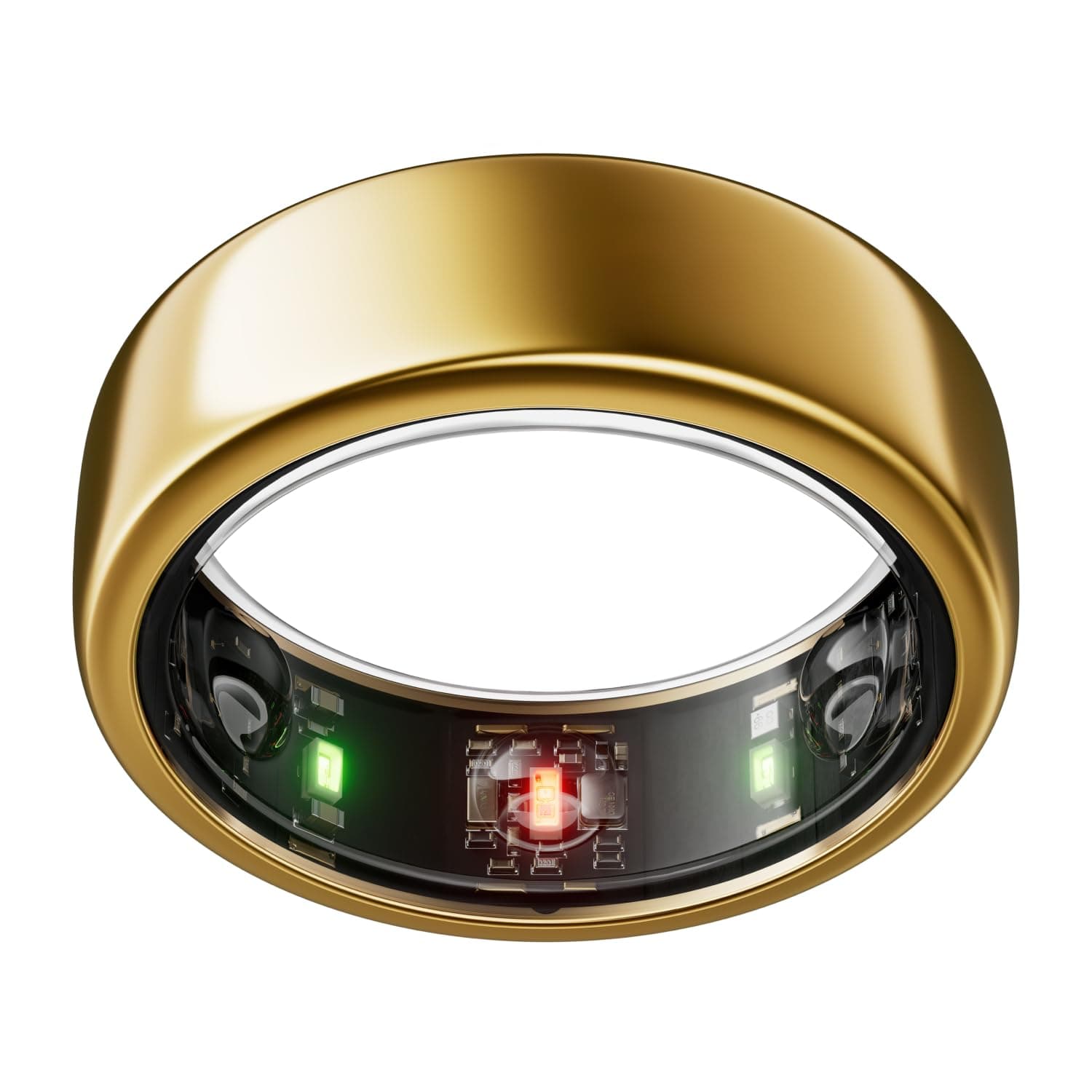
Oura, the Finnish company that dominates the smart ring market, is reportedly planning to go public this month at a valuation north of $16 billion. That is a 45% jump from the $11 billion figure attached to its confidential S-1 filing in May — and it signals that investors believe smart rings are no longer a niche wearable but a mainstream health category. Here is what the IPO means if you are buying, wearing, or considering a smart ring.
IPO Valuation
$16 billion+ — up from $11B in May. Driven by Ring 5 sales, 5 million subscribers, and projected $2B in 2026 revenue.
Buyer Impact
Expect IPO-window promotions. Current $5.99/month subscription unlikely to change near-term, but premium tiers may follow.
Alternatives
No-subscription rings from RingConn and Ultrahuman are gaining share.
Why Is Oura Worth $16 Billion?
The valuation surge comes down to four factors. First, the Oura Ring 5 launched on June 4 and became the company's fastest-selling product, with a 40% thinner design that crossed the line from health gadget to everyday jewelry. Second, Oura now has over 5 million paid subscribers paying $5.99/month — that is roughly $360 million in annual recurring revenue before hardware sales. Third, the company projects close to $2 billion in total 2026 revenue. Fourth, Oura's patent victories over Samsung in July have effectively pushed the Galaxy Ring 2 to 2027, removing Oura's biggest competitive threat.
What Does the IPO Mean for Ring Prices?
Short-term: expect deals. Companies going public want to show strong revenue growth and subscriber acquisition in their IPO-quarter financials. Oura is already discounting the Ring 4 ($349) aggressively to push buyers toward the Ring 5 ($399). Around the IPO, watch for promotional bundles, extended trial periods, and first-year subscription discounts.
Long-term: some price pressure is possible. Public-market investors will push for margin expansion. That could mean higher hardware prices on future rings, premium subscription tiers with advanced health insights, or reduced promotional discounting once Oura no longer needs to juice growth numbers for its prospectus. The $5.99/month base subscription is unlikely to change immediately — raising it during an IPO window would cause subscriber churn at the worst time — but a $9.99 premium tier with features like the Galleri-style lab partnerships (similar to Whoop's Advanced Labs) is a reasonable bet for 2027.
How Does Oura's Patent Moat Affect the Market?
Oura's patent portfolio is a significant competitive advantage — and a key reason investors are willing to pay a $16 billion premium. In July, the Patent Trial and Appeal Board ruled that Samsung failed to invalidate a key Oura patent covering wearable ring sensor placement. The result: Samsung's Galaxy Ring 2 is indefinitely delayed, and Oura's legal position strengthened.
This does not mean Oura has no competition. RingConn Gen 3 ($349) and Ultrahuman Ring Pro ($349) both ship without subscription fees and have carved out strong positions at the budget-conscious end of the market. But neither has Oura's data depth, software polish, or brand recognition — which is exactly what a $16 billion valuation prices in.
Should You Buy a Smart Ring Now or Wait?
If you want an Oura Ring, now through October is likely the best window. The IPO creates incentives for Oura to offer promotions that may not repeat. The Ring 4 is already available at discounts, and Ring 5 launch promotions may resurface around the listing. The original Samsung Galaxy Ring is available at $400 and does not require a subscription, making it a strong iPhone-free alternative.
If you prefer no subscription at all, the RingConn Gen 2 ($299) and Ultrahuman Ring Pro ($349) are the best options. Both are well-reviewed, comfortable, and offer core health tracking — sleep, heart rate, HRV, blood oxygen — without monthly fees.
The Bigger Picture: Smart Rings Are Going Mainstream
A $16 billion IPO for a company that makes rings validates what early adopters have known for years: smart rings are not a fad. Oura's trajectory — from a Kickstarter project in 2015 to a multi-billion-dollar public company — mirrors the early path of Fitbit and GoPro, with one crucial difference: Oura has built a subscription-based recurring revenue model that gives it more financial durability than either of those companies had at IPO.
For buyers, the competitive landscape has never been better. Compare all smart rings in our smart ring buying guide, or use the compare tool to stack specific models side by side.
Related Articles
Oura IPO FAQ
Common questions about Oura's IPO and smart ring pricing
Quick answers covering IPO timing, subscription prices, buying advice, and alternatives to Oura's ecosystem.
When is Oura going public?
Oura is reportedly targeting a September 2026 IPO, according to TechCrunch. The company filed a confidential S-1 with the SEC in May 2026. The exact listing date has not been confirmed, but September is the current target window.
Will the Oura Ring subscription price increase after the IPO?
No increase has been announced, and Oura's current $5.99/month membership is likely to stay stable through the IPO period to avoid subscriber churn. However, public-market pressure to grow recurring revenue could lead to premium subscription tiers or modest price increases in 2027.
Should I buy an Oura Ring before or after the IPO?
Before. Oura is likely to run aggressive promotions around the IPO to boost headline subscriber and revenue numbers. The Ring 4 is already discounted as Oura pushes Ring 5 adoption. Post-IPO, promotional pressure may ease as the company shifts focus to margins.
What is the best Oura Ring alternative with no subscription?
The RingConn Gen 3 ($349) and Ultrahuman Ring Pro ($349) are the strongest no-subscription alternatives. Both offer sleep tracking, heart rate monitoring, and health scores without monthly fees. The RingConn Gen 3 adds haptic feedback, while the Ultrahuman Ring Pro boasts a 15-day battery life.
Why is Samsung Galaxy Ring 2 delayed?
Samsung's Galaxy Ring 2 is delayed due to an ongoing patent dispute with Oura. In July 2026, the Patent Trial and Appeal Board ruled that Samsung failed to invalidate one of Oura's key patents covering wearable ring design. The Galaxy Ring 2 is not expected until early 2027 at the earliest.