Raven Prism at $1,499: The First Linux-Powered Smart Glasses and What Buyers Should Know
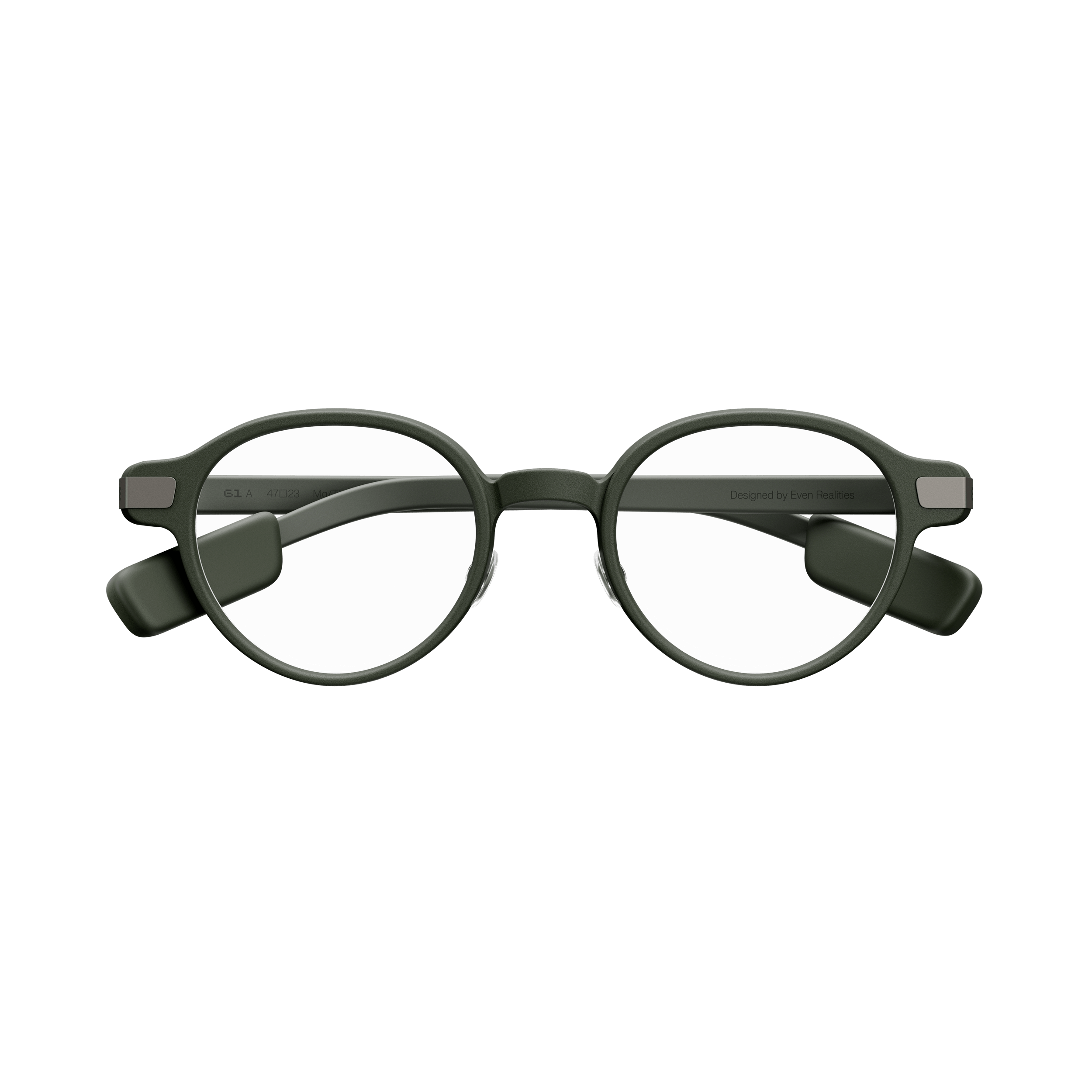
AWE 2026 didn't just belong to Snap. While Spiegel's $2,195 Specs preorder grabbed the headline, a San Francisco startup called Raven Resonance quietly unveiled something that may matter more in the long run: Raven Prism, a pair of smart glasses running Linux with eye-tracking control and a full-color waveguide display, for $1,499. Here's what it is, how it compares, and whether you should care.
Price
$1,499 tentative — no subscription required. Cheaper than Snap Specs ($2,195), pricier than Meta Ray-Ban ($379).
Standout Feature
Full Linux OS with eye-tracking input — the first smart glasses you control entirely with your eyes, no hand gestures needed.
Our Take
Fascinating for developers and power users. Most buyers should still get Meta Ray-Ban at $379 today and watch Raven Prism reviews when it ships.
What Is Raven Prism and Why Does It Matter?
Raven Resonance calls Raven Prism the “world's first Ambient Computer.” That's marketing, but the substance is real: it's a pair of glasses with a full-color waveguide display, an onboard ARM processor running Linux, and eye tracking as the primary input method. You look at UI elements to interact with them — no hand gestures, no voice commands required (though voice is supported too).
The Linux angle is what makes this interesting for a specific audience. Unlike Snap OS or Meta's proprietary platform, a Linux-based system is inherently open. Developers can build and deploy software the way they would on any Linux machine. It's the difference between an iPhone and a desktop computer — and Raven is betting that enough people want the desktop computer on their face.
What Are the Full Specs of Raven Prism?
- Display: Full-color LCoS waveguide in the right eye — 30° diagonal field of view, comparable to a 16-inch screen at arm's length
- Processor: Quad-core 64-bit ARM at ~1 GHz, available in 2 GB and 4 GB RAM
- Operating system: Custom Linux-based OS — open and developer-friendly
- Input: Integrated eye tracking for hands-free interaction
- Camera: Onboard camera with visible capture light and physical privacy cover
- Audio: Multiple microphones for voice input and ambient awareness
- Battery: Hot-swappable “Raven Wings” modular batteries for all-day use
- Weight: Under 70 grams with weight distribution designed for all-day comfort
- Price: $1,499 tentative base price — no subscription
How Does Raven Prism Compare to Snap Specs and Meta Ray-Ban?
AWE 2026 gave us three very different visions of smart glasses. Understanding where each sits helps you decide what to buy — or wait for.
- Meta Ray-Ban ($379) — AI Camera Glasses: No display. Camera, speakers, and Meta AI assistant. Best for hands-free AI and photo/video. The mainstream pick today.
- Raven Prism ($1,499) — Ambient Computer: Waveguide display, eye tracking, Linux. Best for developers and power users who want an open computing platform on their face.
- Snap Specs ($2,195) — Standalone AR: Wider 51° FOV, dual Snapdragon chips, Snap OS with OpenAI/Gemini. Best for spatial AR computing and immersive Lens experiences.
- Even Realities G1 — Privacy-First: Notification display, no camera. Best for buyers who want heads-up info without surveillance concerns.
Should You Wait for Raven Prism or Buy Smart Glasses Now?
Wait for Raven Prism if:You're a developer who wants an open Linux platform on glasses, you're excited about eye-tracking as an input method, or you want a smart glasses computer that doesn't lock you into Snap or Meta's ecosystem. The $1,499 price is steep but significantly undercuts Snap Specs. The hot-swappable battery design also solves the biggest complaint about every other pair of smart glasses.
Buy now if: You want smart glasses for everyday use today. The Meta Ray-Ban at $379 delivers AI assistance, camera, and music in a normal-looking pair of Wayfarers. The XREAL One Pro at $599 gives you a virtual screen for entertainment. Both are shipping now and proven. Raven Prism is a prototype-stage product from a startup — exciting, but unproven.
The Bottom Line on Raven Prism
Raven Prism is one of the most conceptually interesting smart glasses products we've seen. A Linux computer on your face with eye-tracking control, a privacy-covered camera, and hot-swappable batteries? That's a compelling pitch for the right buyer. But it's also a first-gen product from a startup, with a 30-degree FOV and unproven software ecosystem. For most people, the Meta Ray-Ban at $379 is still the smart glasses to buy today. Watch for Raven Prism reviews later this year, and browse all options in our smart glasses comparison guide and compare hub.
Related Articles
Raven Prism FAQ
Common questions about Raven Prism smart glasses
Quick answers to help you decide whether Raven Prism is worth waiting for or if you should buy different smart glasses today.
How much do Raven Prism smart glasses cost?
Raven Resonance shared a tentative base price of $1,499 for Raven Prism. This is significantly cheaper than Snap Specs at $2,195 and Apple Vision Pro at $3,499, but more expensive than Meta Ray-Ban at $379.
When do Raven Prism glasses launch?
Raven Resonance plans to officially launch Raven Prism later in 2026. The device was publicly demoed for the first time at AWE 2026 in June. Exact availability and ordering details will be announced closer to launch.
What operating system does Raven Prism run?
Raven Prism runs a custom Linux-based operating system on a quad-core 64-bit ARM processor. This makes it the first consumer smart glasses to run Linux, appealing to developers and power users who value open platforms.
How does Raven Prism compare to Snap Specs?
Raven Prism ($1,499) is $696 cheaper than Snap Specs ($2,195) but has a narrower 30-degree field of view vs Snap's 51 degrees. Raven Prism runs Linux with eye-tracking input, while Snap Specs run Snap OS 2.0 with hand tracking. Both launch later in 2026.
Does Raven Prism have a camera?
Yes, Raven Prism includes an onboard camera with a visible capture light and a physical privacy cover that you can slide closed when you don't want the camera active. This addresses common privacy concerns with camera-equipped smart glasses.